Upper Mustang Trek: Journey to the Lost Kingdom of Nepal
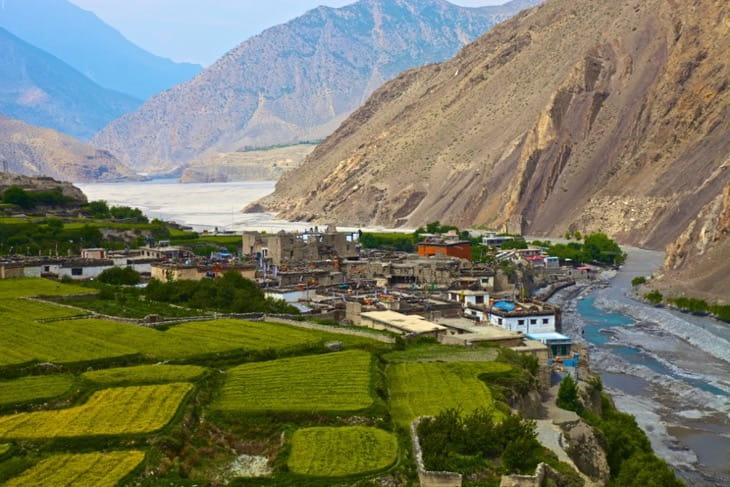
The Upper Mustang Trek is one of Nepal’s most unique and culturally rich trekking experiences, often described as a journey into the “Last Forbidden Kingdom.” Located in the rain-shadow region of the Annapurna Himalayas, Upper Mustang lies close to the Tibetan border and showcases a dramatic landscape unlike the green hills typically associated with Nepal.
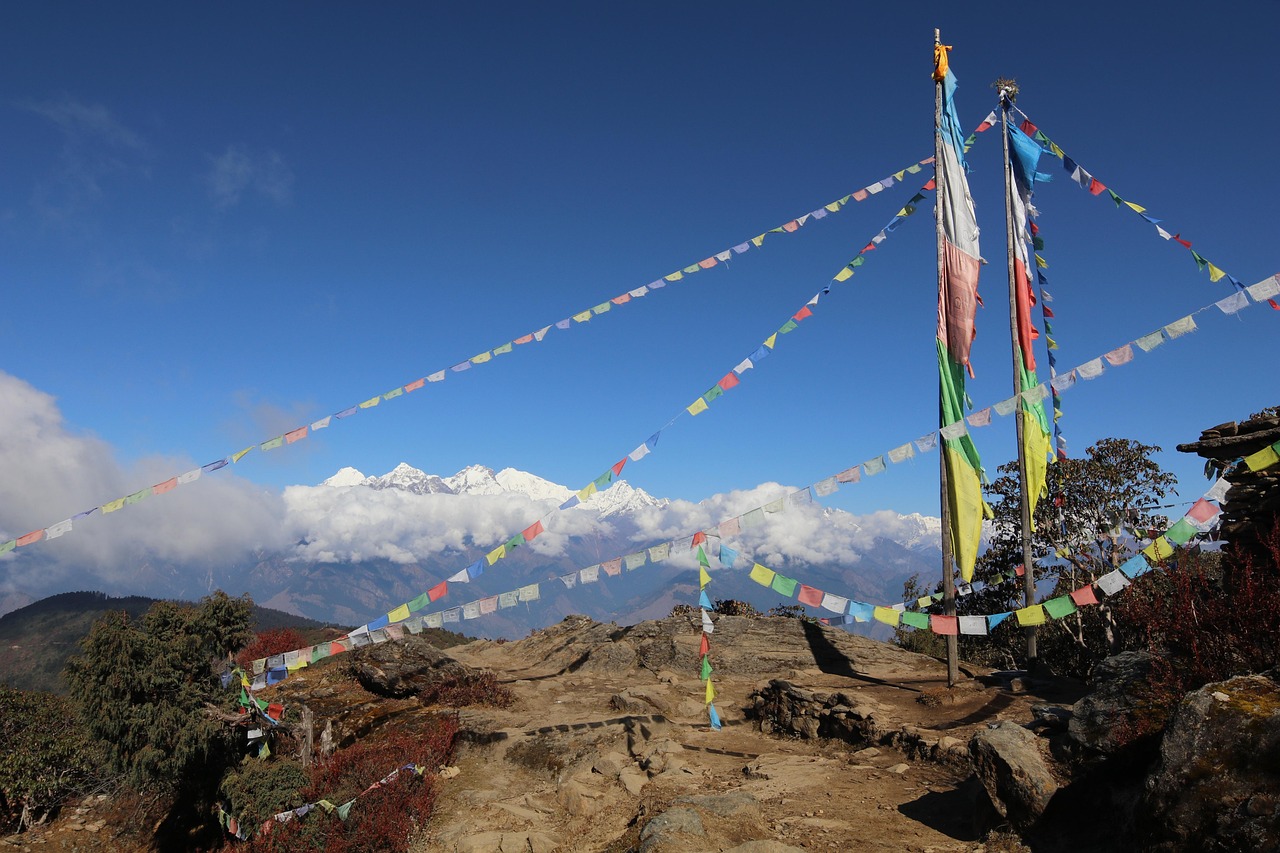
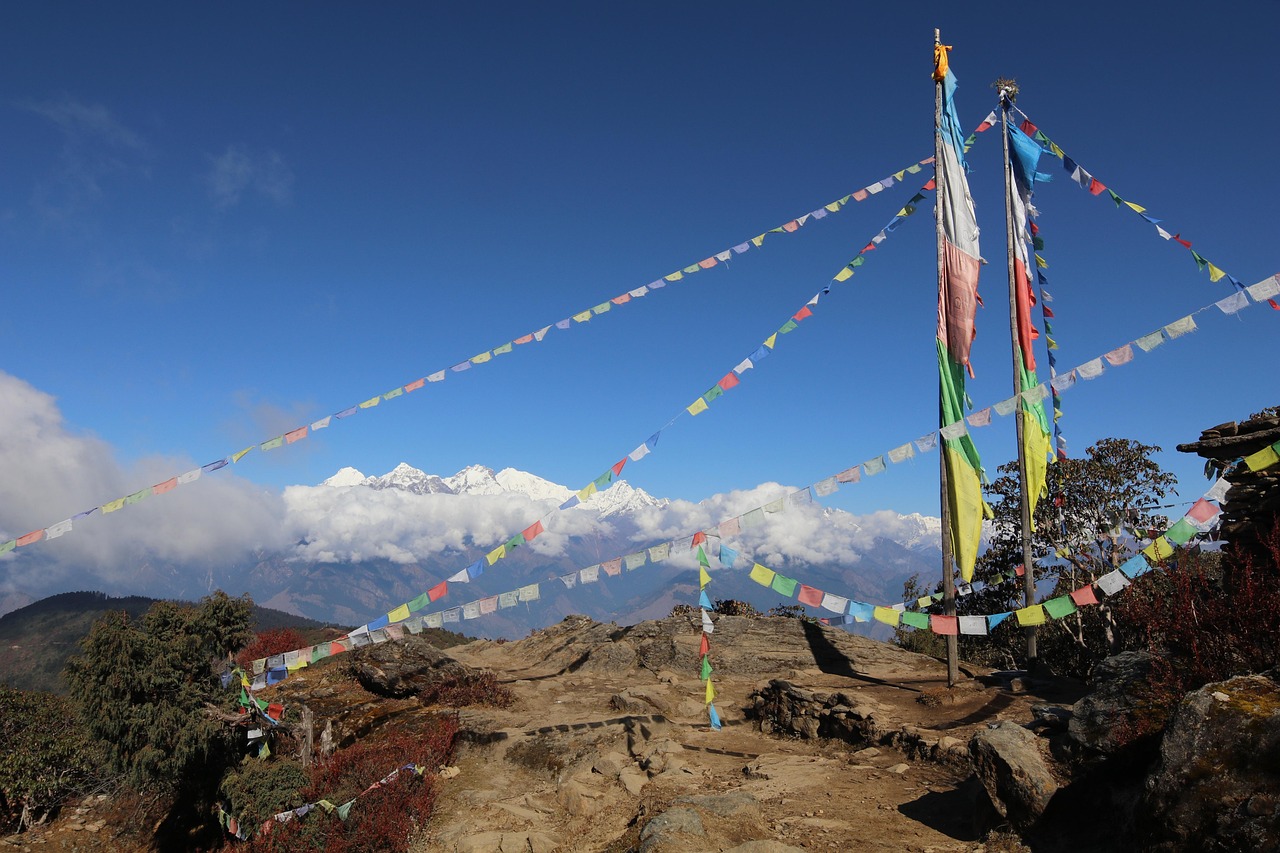
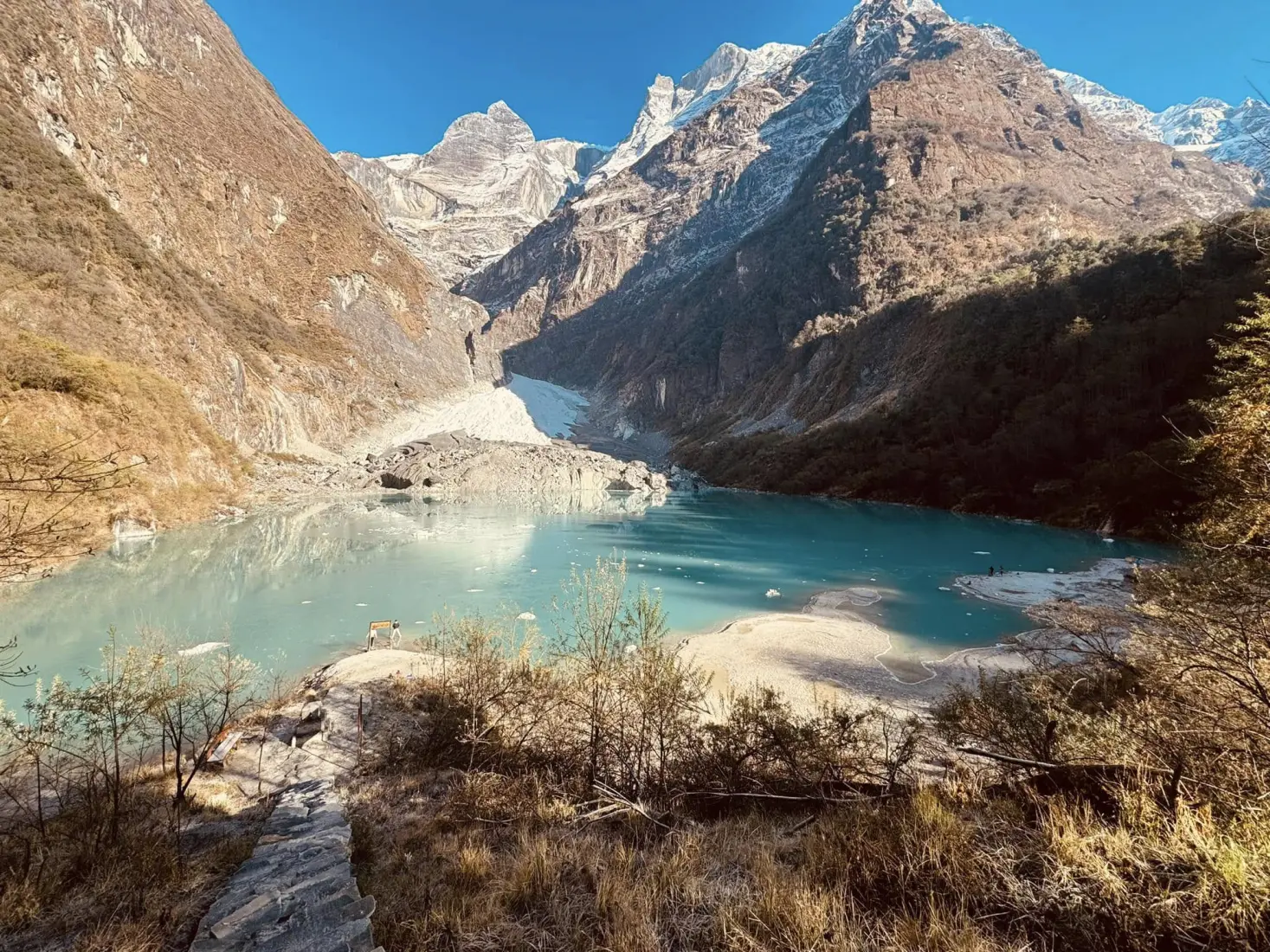
This trek takes you through a stark yet stunning terrain of wind-eroded cliffs, deep canyons, colorful rock formations, and vast desert-like valleys. Along the trail, ancient cave dwellings, whitewashed chortens, fluttering prayer flags, and centuries-old Buddhist monasteries reflect the deep Tibetan influence that defines Mustang’s culture. The walled city of Lo Manthang, once the capital of the Kingdom of Lo, is the cultural highlight of the trek, offering a glimpse into a preserved medieval lifestyle.
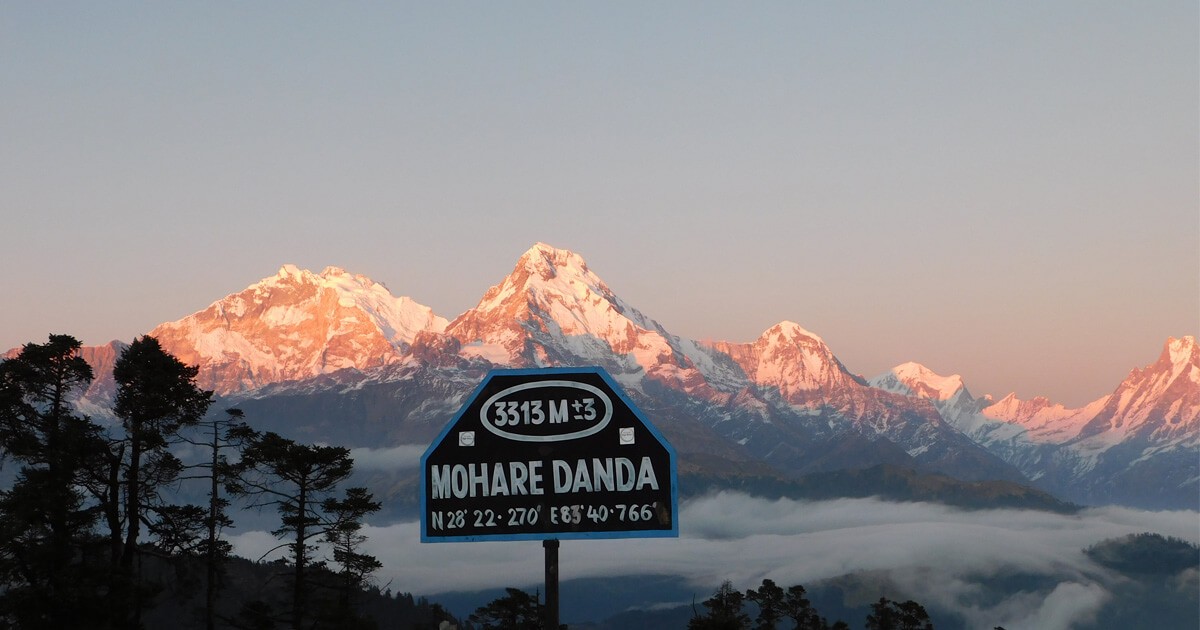
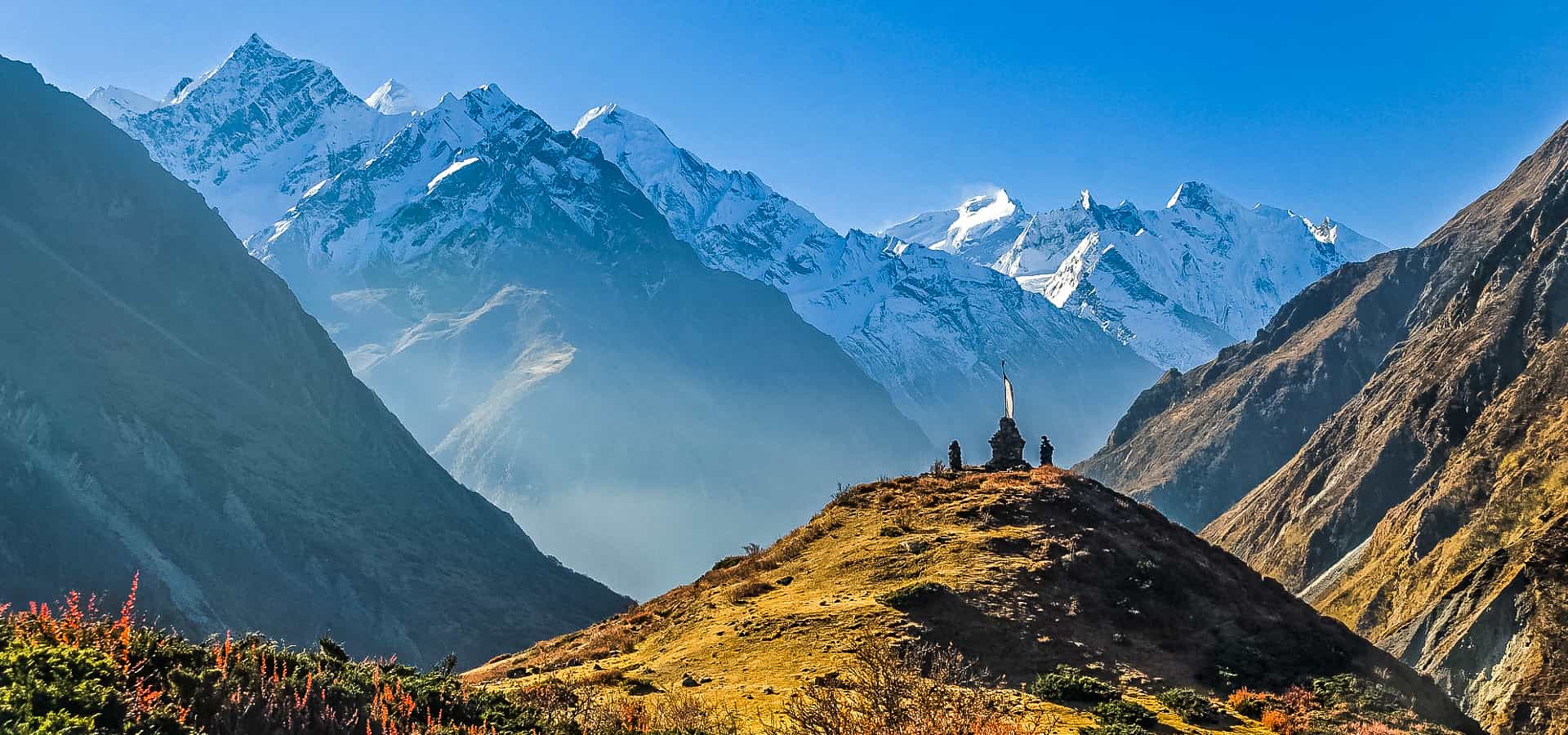
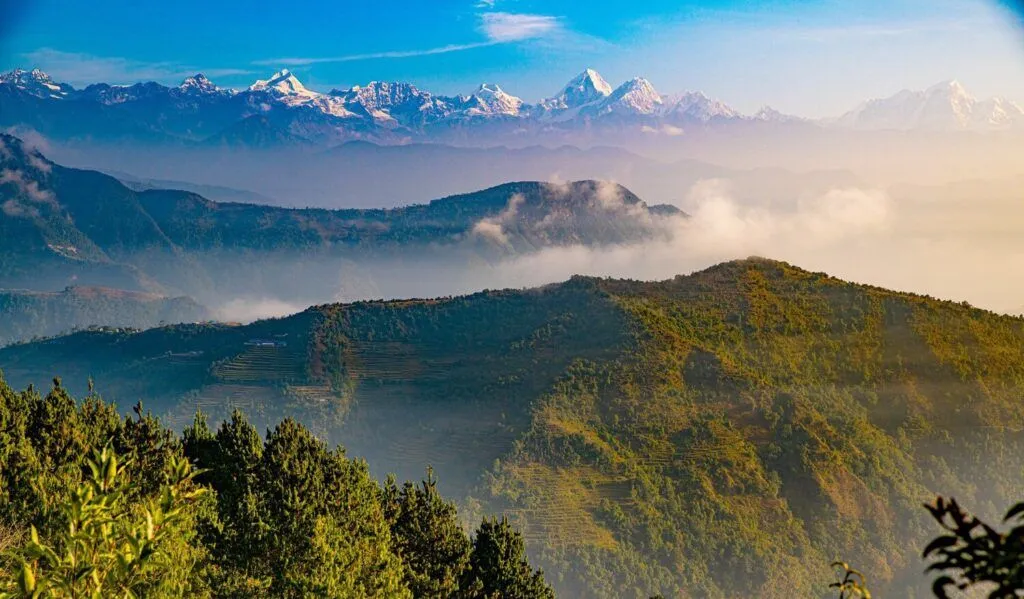
Despite its arid landscape, Upper Mustang offers magnificent views of Nilgiri, Annapurna, Dhaulagiri, and Tukuche Peak. The region remained restricted to outsiders for many years, helping preserve its traditions, language, and way of life. Trekkers require a special permit, which also helps control tourism and protect local culture.
The best time to trek Upper Mustang is from March to November, even during the monsoon, as the area receives very little rainfall. More than just a trek, Upper Mustang is a cultural and spiritual journey, ideal for travelers seeking history, solitude, and an experience far removed from modern crowds.
Trek Highlights
Upper Mustang Highlights
Explore the ancient Kingdom of Lo, also known as the Last Forbidden Kingdom of Nepal. Trek through a unique desert-like landscape in the rain-shadow region of the Himalayas. Visit the historic walled city of Lo Manthang, rich in culture and tradition. Experience strong Tibetan-influenced culture, lifestyle, and centuries-old customs. Discover ancient monasteries, chortens, prayer flags, and mysterious cave dwellings. Enjoy spectacular views of Nilgiri, Dhaulagiri, Annapurna, and Tukuche Peak. Walk along dramatic canyons, red cliffs, and barren valleys unlike anywhere else in Nepal. Trek in a restricted area, helping preserve Mustang’s untouched heritage. Travel comfortably with teahouse stays and warm local hospitality. Suitable for trekking even during the monsoon season due to minimal rainfall.
Trip Plan
Day 01: Arrival in Kathmandu
+
Arrive in Kathmandu, transfer to your hotel, and rest. Prepare for the journey ahead with orientation and briefing about the trek.
Day 02: Drive from Kathmandu to Pokhara
+
Drive approximately 6–8 hours to Pokhara, a scenic city by Phewa Lake. Enjoy the views of rivers, hills, and countryside along the way. Overnight stay in Pokhara.
Day 03: Flight from Pokhara to Jomsom, Trek to Kagbeni
+
Take a short flight to Jomsom. Begin the trek to Kagbeni, an ancient walled village at the entrance of Upper Mustang. Experience the unique Tibetan-influenced culture.
Day 04: Trek from Kagbeni to Chele
+
Trek through the Mustang desert region with spectacular views of the Himalayas. Reach Chele, a small village nestled in the valley.
Day 05: Trek from Chele to Syanboche
+
Continue trekking along the scenic trail, passing through remote villages and traditional settlements. Overnight in Syanboche.
Day 06: Trek from Syanboche to Ghami
+
Trek through a combination of arid landscapes and terraced fields. Reach Ghami, known for its historic architecture and local culture.
Day 07: Trek from Ghami to Charang
+
Trek to Charang, a significant cultural site with monasteries and traditional Tibetan-style houses. Immerse in local customs.
Day 08: Trek from Charang to Lo-Manthang
+
Arrive in Lo-Manthang, the walled capital of the ancient Kingdom of Lo. Witness medieval architecture and a vibrant Tibetan-influenced lifestyle.
Day 09: Exploring Lo-Manthang
+
Full day to explore Lo-Manthang’s monasteries, royal palace, local markets, and cultural heritage. Optional interaction with local families.
Day 10: Trek from Lo-Manthang to Yara
+
Trek through rugged landscapes, visiting small villages and observing traditional farming and cultural practices. Overnight stay in Yara.
Day 11: Trek from Yara to Tangge
+
Continue trekking along scenic trails with panoramic views of the Himalayan peaks and Mustang desert. Stay overnight in Tangge.
Day 12: Trek from Tangge to Chhusang
+
Descend gradually through cliffs and canyons, reaching Chhusang. Explore caves and local culture. Overnight stay in Chhusang.
Day 13: Trek from Chhusang to Muktinath
+
Trek to Muktinath, a sacred pilgrimage site for Hindus and Buddhists. Visit the temple and nearby hot springs. Overnight in Muktinath.
Day 14: Trek from Muktinath to Jomsom
+
Trek down to Jomsom, enjoying the Kali Gandaki valley’s scenic beauty. Prepare for the flight back to Pokhara.
Day 15: Flight from Jomsom to Pokhara
+
Take a short flight to Pokhara. Spend the day at leisure exploring the city or relaxing by Phewa Lake.
Day 16: Drive from Pokhara to Kathmandu
+
Drive back to Kathmandu. Optionally, enjoy a city tour or shopping before the final departure. Overnight in Kathmandu.
Day 17: Final Departure
+
Transfer to the airport for your onward journey. End of the Mustang trekking expedition.
Cost Details
Included
International airport pick-up and drop-off
2 nights’ accommodation in Pokhara with breakfast at a standard hotel
Three meals per day (breakfast, lunch, and dinner) with tea and coffee during the Upper Mustang Trek including Muktinath
Best available teahouse accommodation during the trek
Experienced trekking guide and porter, including their food, accommodation, salary, insurance, equipment, and transportation
Round-trip flight tickets from Pokhara to Jomsom with airport taxes
Tourist bus tickets between Kathmandu and Pokhara (round trip)
Annapurna Conservation Area Permit (ACAP) and TIMS card
Upper Mustang Restricted Area Permit
Not Included
International airfare and Nepal entry visa fees
Travel and medical insurance for Nepal
Meals in Kathmandu and Pokhara (except those mentioned in inclusions)
Personal expenses such as alcoholic beverages, cold drinks, laundry, and snacks
Extra costs arising from unavoidable circumstances (road blockages, flight delays, natural disasters, etc.)
Tips for guide and porter (expected after completing the Upper Mustang Trek with Muktinath)
Monastery entrance fees, jeep transportation, and horse riding charges
Other Basic Information
Basic Information About Upper Mustang Trek
1. Location:
Upper Mustang lies in the northern part of Nepal, in the Annapurna region, bordering Tibet. Known as the “Last Forbidden Kingdom”, it features arid landscapes, deep canyons, and Tibetan-influenced villages.
2. Altitude:
The trek reaches a maximum altitude of Lo Manthang (3,840 meters). Other high points along the trail offer panoramic views of Annapurna, Dhaulagiri, Nilgiri, and Tukuche Peaks.
3. Trek Duration:
The typical Upper Mustang trek lasts 10–14 days, depending on the itinerary and side trips, including visits to Muktinath and surrounding villages. Difficulty Level: Considered moderate, the trek involves long walking days and some steep ascents. The dry climate and manageable altitude make it accessible for trekkers with moderate fitness levels.
4. Best Seasons: Spring (March–May): Pleasant weather, clear skies, and blooming landscapes. Autumn (September–November): Best visibility, stable weather, and ideal trekking conditions. Winter (December–February): Cold and dry; some high passes may have snow. Monsoon (June–August): Minimal rainfall due to the rain-shadow effect, but dusty trails and hot temperatures.
5. Accommodation & Food:
Teahouses in Mustang offer basic but clean accommodation, with shared bathrooms. Typical meals include dal bhat, noodles, soups, Tibetan bread, and local vegetables. Permits Required: Trekkers need: a. Upper Mustang Restricted Area Permit b. Annapurna Conservation Area Permit (ACAP) c. TIMS (Trekkers’ Information Management System) Card
6. Culture & Spirituality:
Upper Mustang is rich in Tibetan Buddhist culture, with monasteries, chortens, prayer flags, and traditional Lo Manthang villages. The region preserves ancient customs, festivals, and lifestyle due to its historical isolation.
7. Connectivity & Safety:
Mobile network is available in main villages like Lo Manthang, but coverage is limited in remote areas. Trekkers should carry sufficient water, snacks, warm clothing, and sun protection.
FAQs
1. What is the Upper Mustang Trek?+
Upper Mustang Trek is a unique and culturally rich trekking route in the rain-shadow region of the Himalayas. It offers spectacular desert-like landscapes, ancient walled villages, Tibetan-influenced culture, monasteries, and panoramic views of Himalayan peaks.
2. Where is Upper Mustang located?+
Upper Mustang is located in the northern part of Nepal, bordering Tibet (China), within the Mustang District. The main entry point is Jomsom in the Annapurna region.
3. What is the best time to trek in Upper Mustang?+
The best time for trekking is from March to May and September to November, when the weather is clear, and the skies are ideal for mountain views.
4. Do I need a permit for Upper Mustang?+
Yes, Upper Mustang is a restricted area. Trekkers require a special restricted area permit in addition to the Annapurna Conservation Area Permit (ACAP).
5. How difficult is the Upper Mustang Trek?+
The trek is moderate to challenging, suitable for trekkers with prior trekking experience. High-altitude acclimatization is necessary, as elevations reach around 3,800 meters at Lo-Manthang.
6. What kind of culture can I expect in Upper Mustang? +
Upper Mustang is rich in Tibetan-influenced culture, featuring ancient monasteries, traditional villages, prayer flags, chortens, and centuries-old customs preserved over generations.
7. Is there accommodation along the trek?+
Yes, trekkers stay in tea houses and lodges in villages along the trail. Accommodation is basic but comfortable, offering local meals and a chance to interact with locals.