Nar Phu Valley Trek with Kang La & Thorong La Pass: Into the Hidden Himalayan Kingdom
Tucked deep within the remote corners of the Annapurna region, the Nar Phu Valley Trek is a journey into an ancient and isolated Himalayan world. Combined with the dramatic crossings of Kang La Pass (5,322m) and Thorong La Pass (5,416m), this trek offers a rare blend of raw wilderness, Tibetan-influenced culture, and high-altitude adventure.
The Beauty of Nar Phu Valley
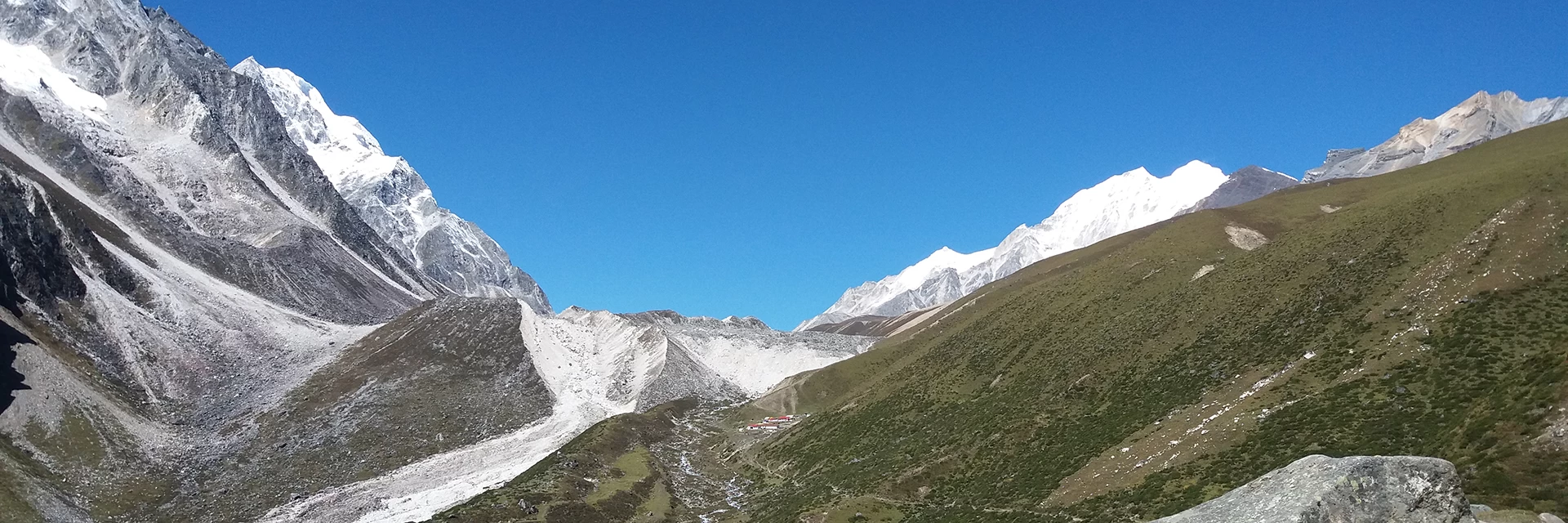
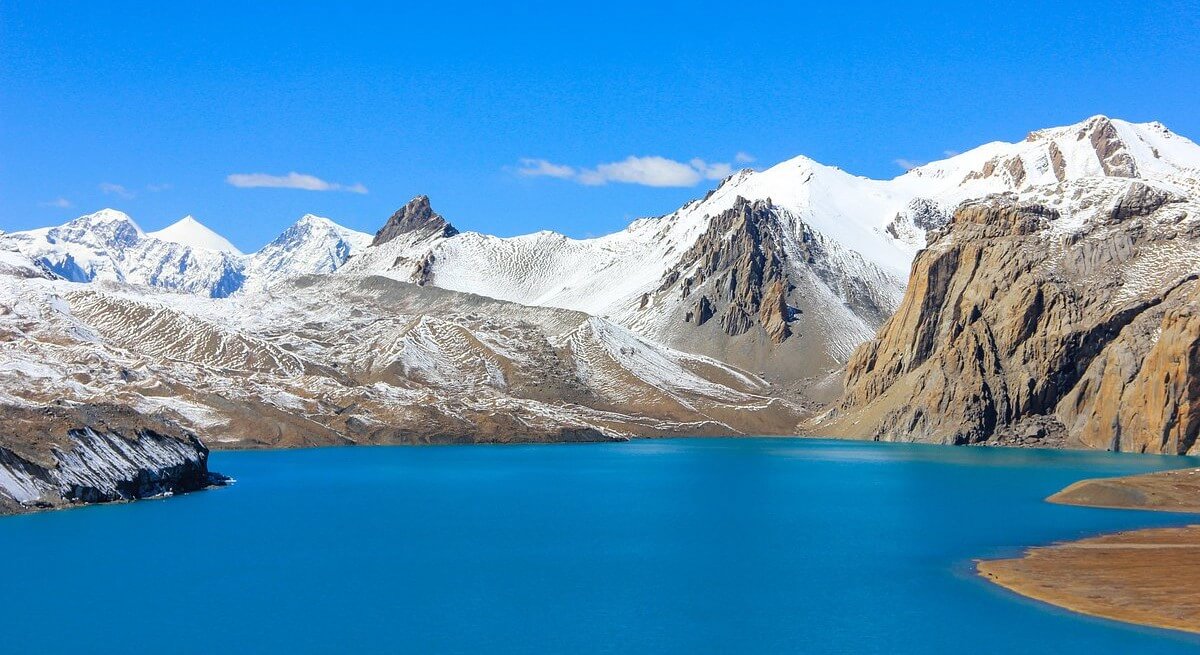
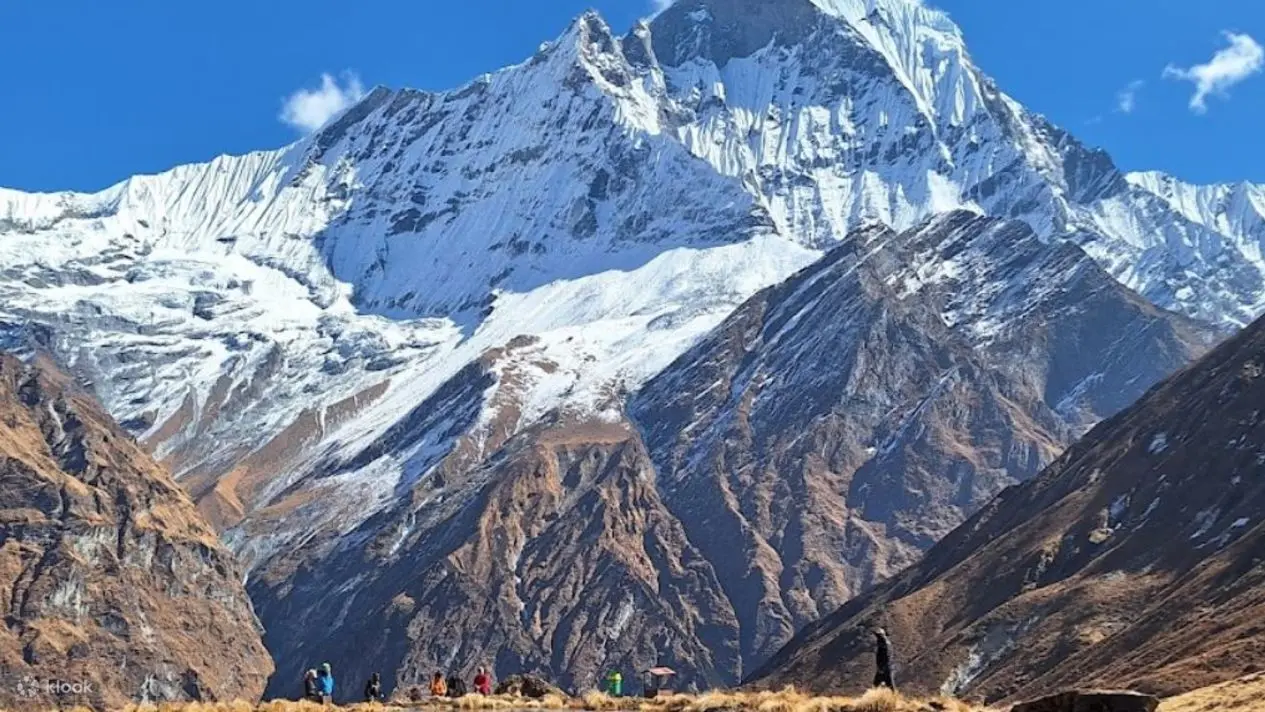
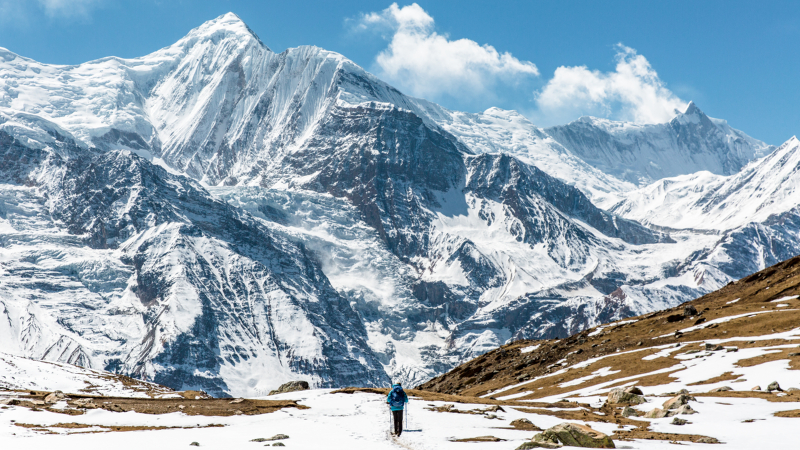
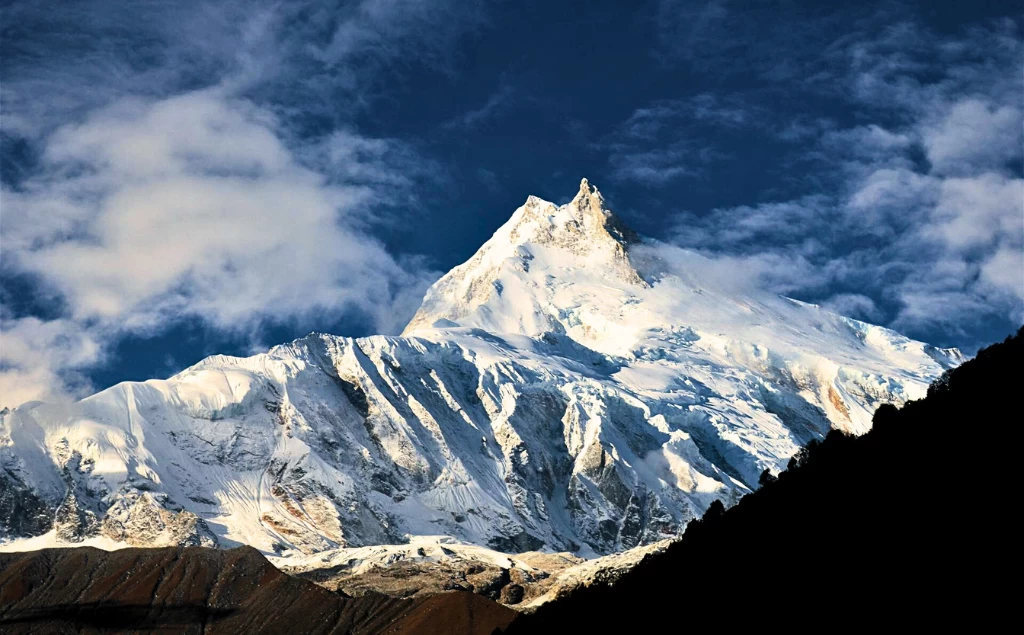
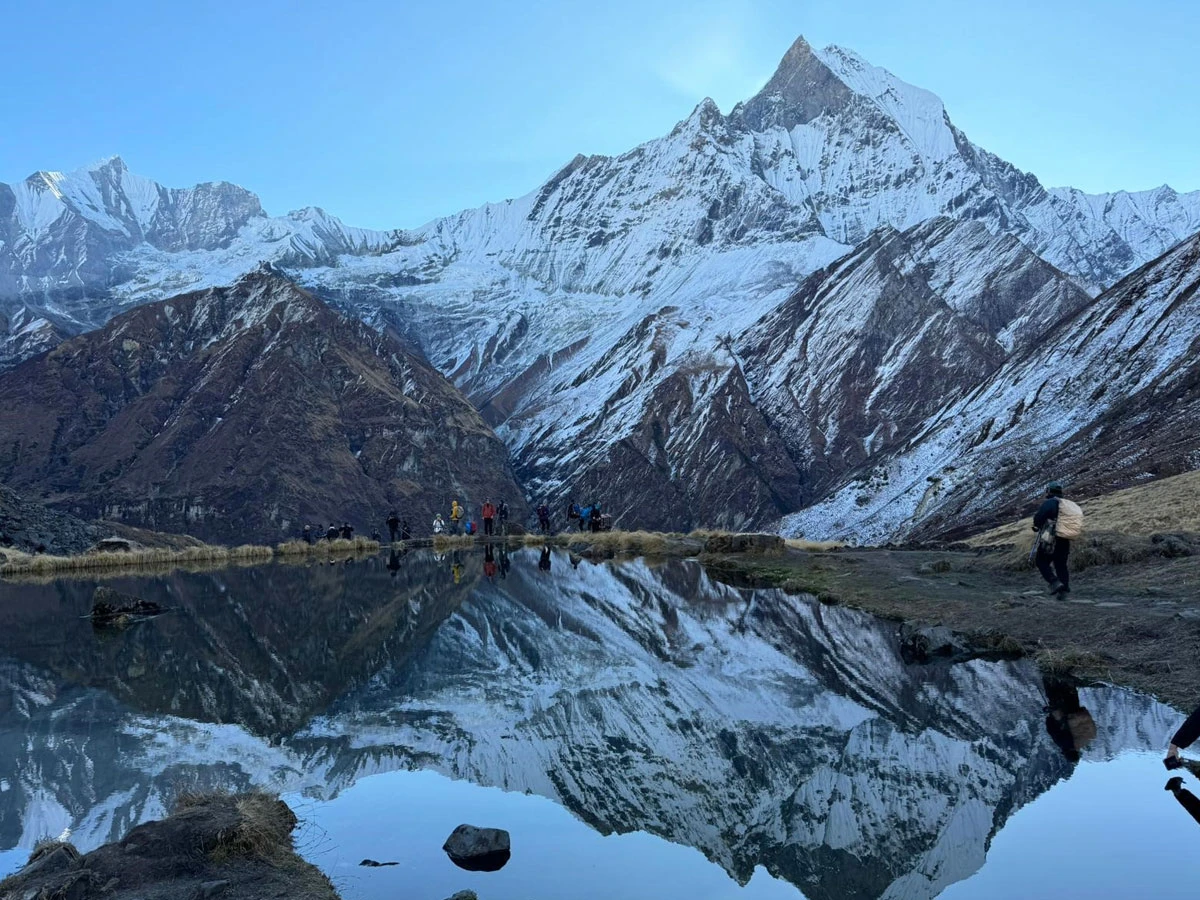
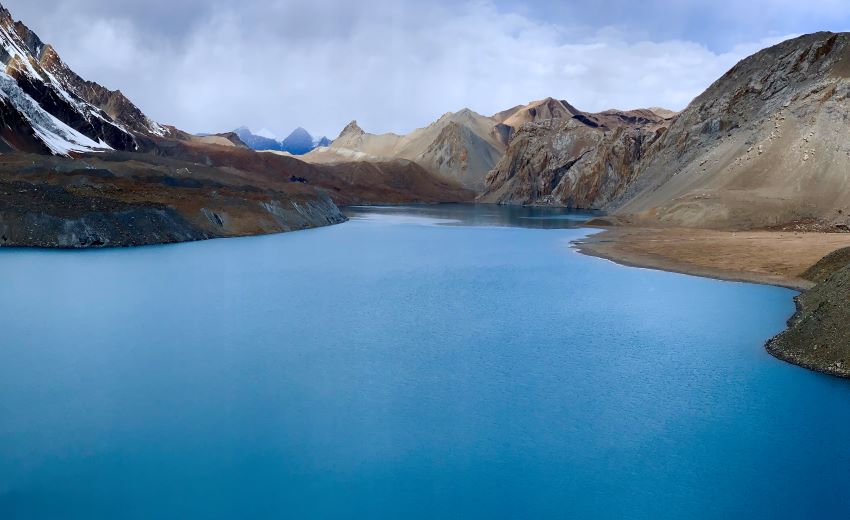
The trail leads through narrow gorges, high alpine valleys, and stark landscapes that feel untouched by time. Along the journey, trekkers are rewarded with breathtaking views of:
- Annapurna II, III, and IV towering above the valleys,
- Gangapurna and Tilicho Peak rising sharply against the sky,
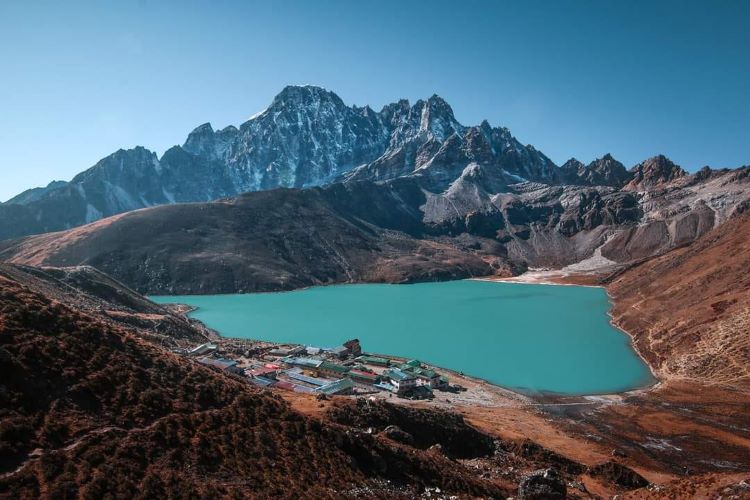
- Ancient stone villages of Nar and Phu, set beneath dramatic cliffs,
- Vast glaciers, yak pastures, and wind-sculpted terrain.
Crossing Kang La Pass reveals a dramatic transition from the hidden valleys into the open landscapes of the Annapurna region—a moment that feels both powerful and unforgettable.
A Living Tibetan Culture
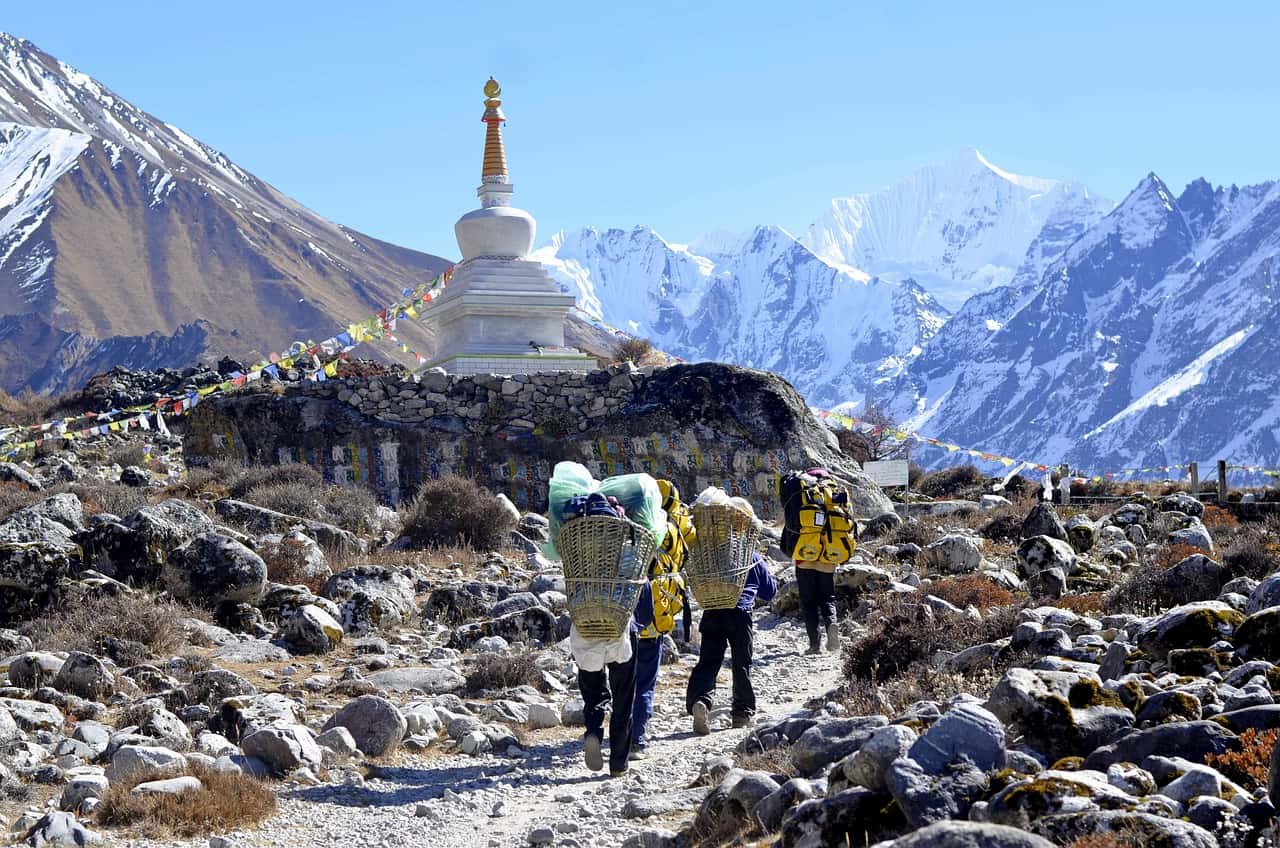
Nar and Phu villages preserve a centuries-old Tibetan Buddhist lifestyle. Stone houses, prayer wheels, monasteries, and long mani walls line the trails. The sound of spinning prayer wheels and chanting monks, combined with the silence of the high valleys, creates a deeply spiritual and immersive experience rarely found on other treks.
Untouched Himalayan Wilderness
The Nar Phu region remains one of Nepal’s most remote and restricted trekking areas, ensuring minimal crowds and pristine landscapes. The trek passes through forests, alpine meadows, high deserts, and snowy passes. Wildlife sightings are possible, and the sense of isolation adds to the adventure. Each season brings its own beauty—spring blooms, autumn clarity, and dramatic high-altitude silence.
Why Nar Phu Valley Trek with Kang La & Thorong La Is Special?
This trek is a true Himalayan expedition, combining cultural discovery with challenging high passes. Standing atop Kang La or crossing Thorong La, surrounded by endless peaks and glaciers, you feel the raw power of the mountains and the timeless spirit of the Himalayas.
For trekkers seeking authentic culture, remote landscapes, and high-altitude adventure, the Nar Phu Valley Trek with Kang La and Thorong La Pass is one of Nepal’s most rewarding and unforgettable journeys—where ancient traditions and wild Himalayan beauty exist in perfect harmony.
Basic Information About Nar Phu Valley Trek with Kang La and Thorong La Pass
1. Location:
The Nar Phu Valley Trek is located in the remote Manang district of the Annapurna region, northeast of the Annapurna massif. This trek explores the hidden valleys of Nar and Phu, combining ancient Tibetan-influenced villages with dramatic high-altitude landscapes. The route crosses Kang La Pass and later joins the Annapurna Circuit to cross the famous Thorong La Pass, offering a truly adventurous Himalayan experience.
2. Altitude:
The trek reaches its highest point at Thorong La Pass (5,416 meters), while Kang La Pass stands at approximately 5,306 meters. Along the route, trekkers enjoy stunning views of Annapurna II, Gangapurna, Tilicho Peak, Chulu peaks, and other surrounding Himalayan giants.
3. Trek Duration:
The Nar Phu Valley Trek with Kang La and Thorong La Pass typically takes 16–20 days, depending on the itinerary, acclimatization days, and route variations. It is ideal for trekkers seeking a longer and more remote trekking experience.
4. Difficulty Level:
This trek is considered challenging due to its high altitude, long walking days, remote terrain, and two high mountain passes. Good physical fitness, previous trekking experience, and proper acclimatization are essential.
5. Best Seasons:
- Spring (March–May): Clear skies, moderate temperatures, and blooming alpine landscapes.
- Autumn (September–November): Stable weather, excellent visibility, and ideal trekking conditions.
- Winter (December–February): Extremely cold with heavy snowfall; not recommended.
- Monsoon (June–August): Trails may be slippery with risk of landslides; limited visibility.
6. Accommodation & Food:
Accommodation is mainly in basic teahouses and lodges in lower villages, with very simple facilities in Nar and Phu valleys. Meals typically include dal bhat, noodles, soups, momos, Tibetan bread, and local dishes.
7. Permits Required:
Trekkers need the following permits:
a. Nar Phu Restricted Area Permit
b. Annapurna Conservation Area Permit (ACAP)
c. TIMS (Trekkers’ Information Management System) Card
8. Culture & Spirituality:
The Nar Phu Valley is rich in Tibetan Buddhist culture, with ancient monasteries, chortens, mani walls, prayer flags, and centuries-old villages. The region has remained largely unchanged due to its isolation, offering a deep cultural and spiritual experience.
9. Connectivity & Safety:
Mobile network coverage is very limited or unavailable in Nar and Phu valleys. Trekkers should carry sufficient water, snacks, warm clothing, and essential trekking gear. Hiring an experienced guide is highly recommended due to the remote terrain, restricted area regulations, and high-altitude passes.
Q1. Where is Nar Phu Valley?
+
Nar Phu Valley is located in the remote northern part of the Annapurna region of Nepal, near the Tibetan border, between the Annapurna and Manaslu ranges.
Q2. Can I do the Nar Phu Trek without a guide?
+
No. Nar Phu Valley is a restricted area, and trekking without a licensed guide is not permitted.
Q3. Is Nar Phu Valley trekking worth doing in Nepal?
+
Yes, it is highly rewarding for trekkers seeking remote landscapes, Tibetan-influenced culture, ancient monasteries, and fewer crowds compared to popular routes.
Q4. Can I charge my electronic devices while exploring the Nar Phu Valley?
+
Yes, limited charging facilities are available at teahouses, usually for a small fee, but carrying a power bank is recommended.
Q5. Is credit or debit card accepted along the trekking route?
+
No. Credit and debit cards are not accepted in the region. You must carry sufficient cash for the entire trek.
Q6. How do I manage drinking water during the trek?
+
Drinking water is available at lodges, but it is advised to use water purification tablets or filters to ensure safety.
Q7. Is it safe to travel to Nar Phu alone as a woman or girl?
+
The region is generally safe, but due to its remoteness and restricted status, it is strongly recommended to trek with a guide or group for safety and support.
Q8. Is there internet available during the Nar Phu Valley Trek?
+
Internet access is very limited and unreliable, with only occasional connectivity in a few villages.
Q9. What is the luggage limit for porters in the Nar Phu region?
+
Porters typically carry 20–25 kg of luggage comfortably; exceeding this limit may require an additional porter.