Everest Base Camp Trek: Journey to the Roof of the World
The Everest Base Camp Trek is the ultimate Himalayan adventure, taking trekkers to the foot of Mount Everest (8,848m), the world’s highest peak. This iconic trek combines stunning mountain landscapes, Sherpa culture, and spiritual landmarks, offering a challenging yet deeply rewarding experience.
The Beauty of the Trek
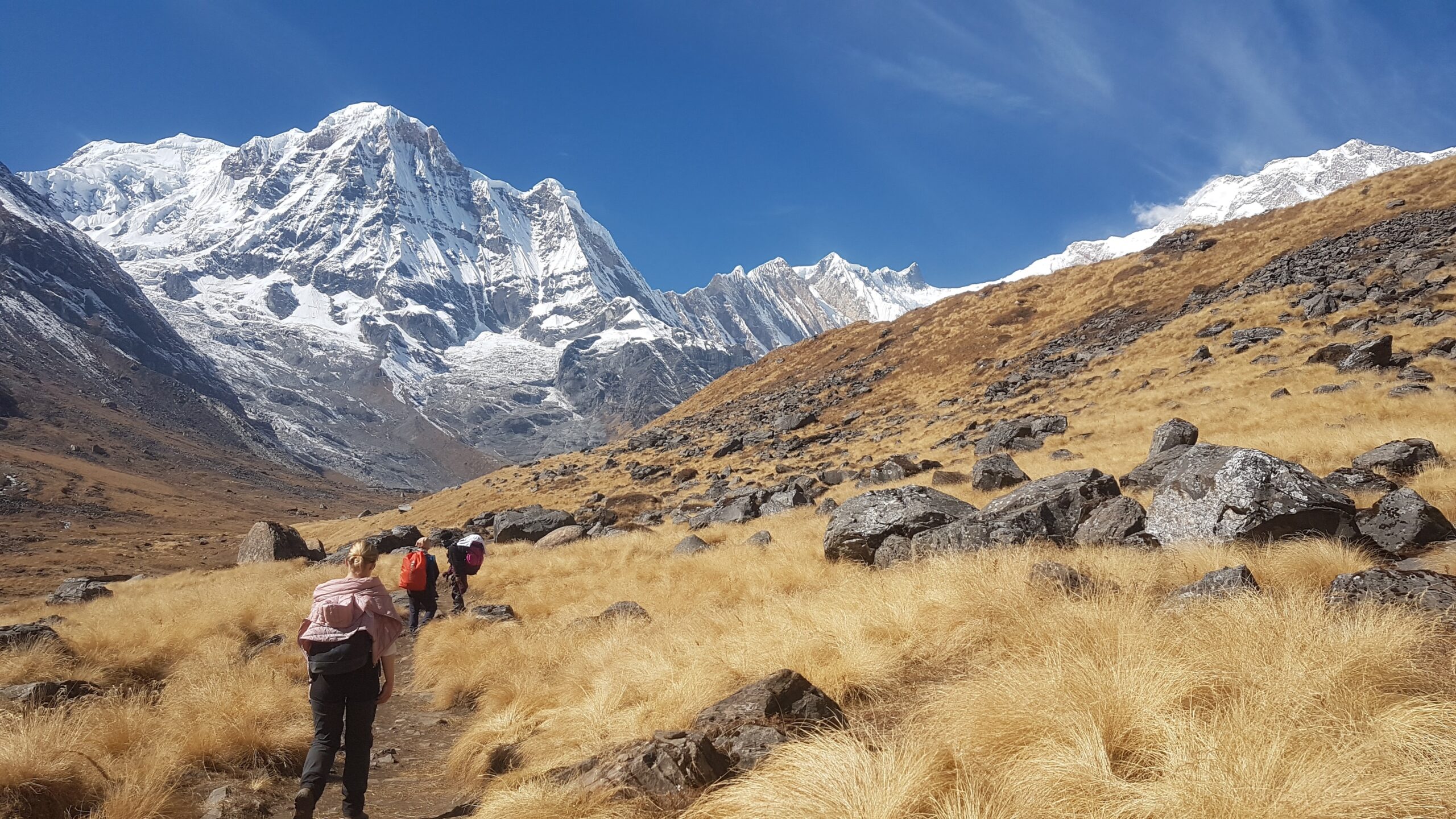
From lush lower valleys to high-altitude alpine ridges, the trail unfolds a panorama of Himalayan majesty:
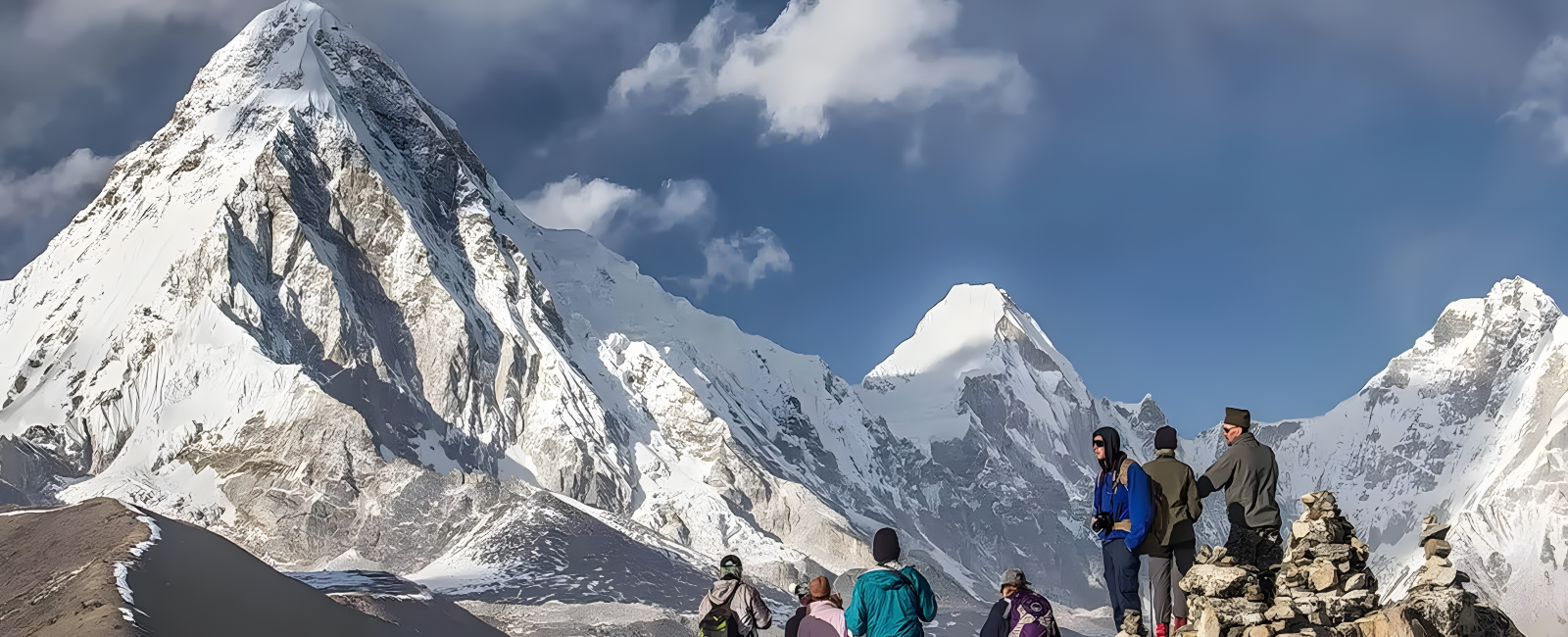
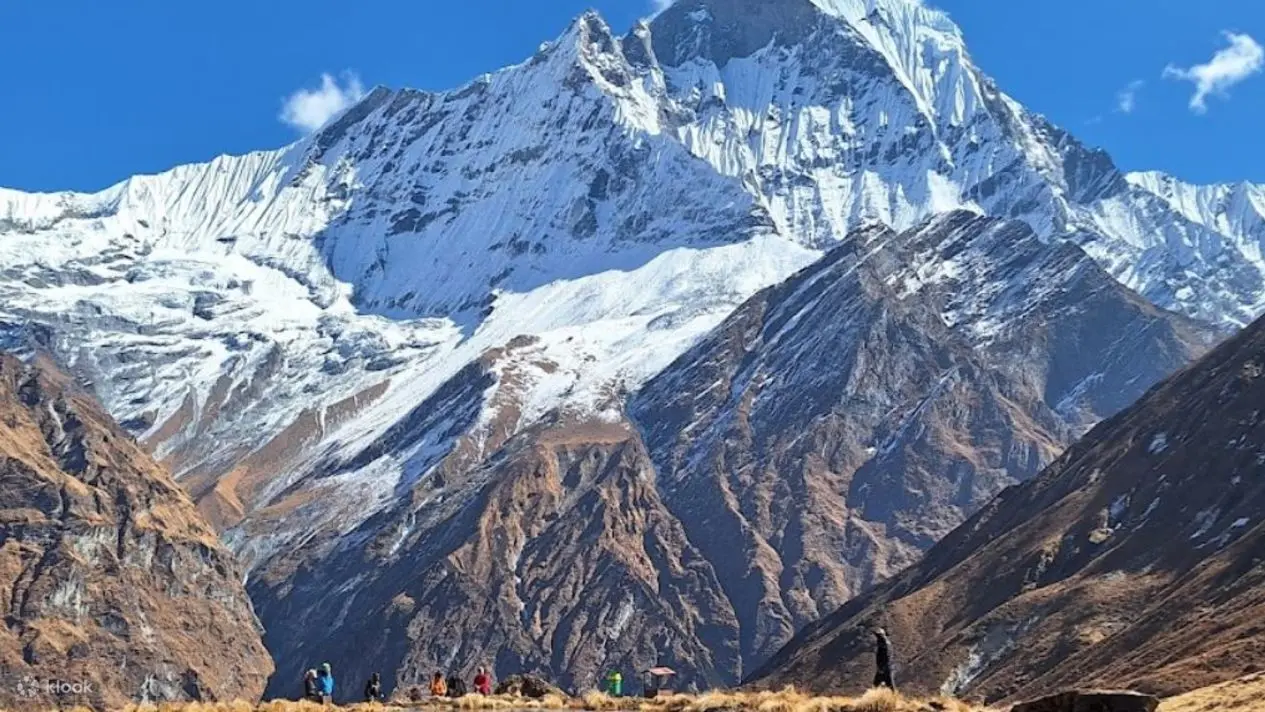
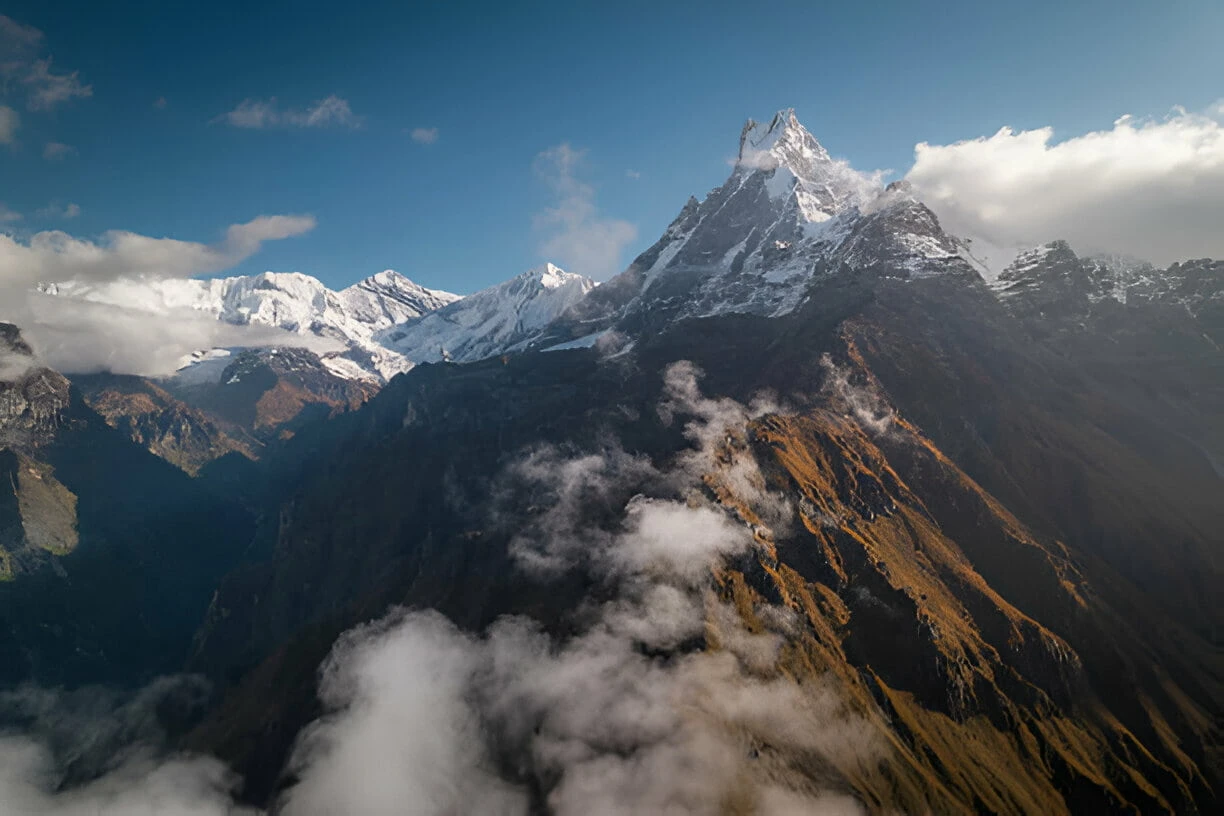
- Towering peaks including Everest, Lhotse, Nuptse, Ama Dablam, and Cho Oyu,
- Dense rhododendron forests, cascading waterfalls, and icy rivers,
- Alpine meadows, glacial valleys, and moraine landscapes near Base Camp,
- Iconic viewpoints such as Kala Patthar, offering spectacular sunrise and sunset vistas over Everest.
Every step reveals a new layer of the Himalayan grandeur, from green foothills to snowy peaks.
Culture and Spiritual Life
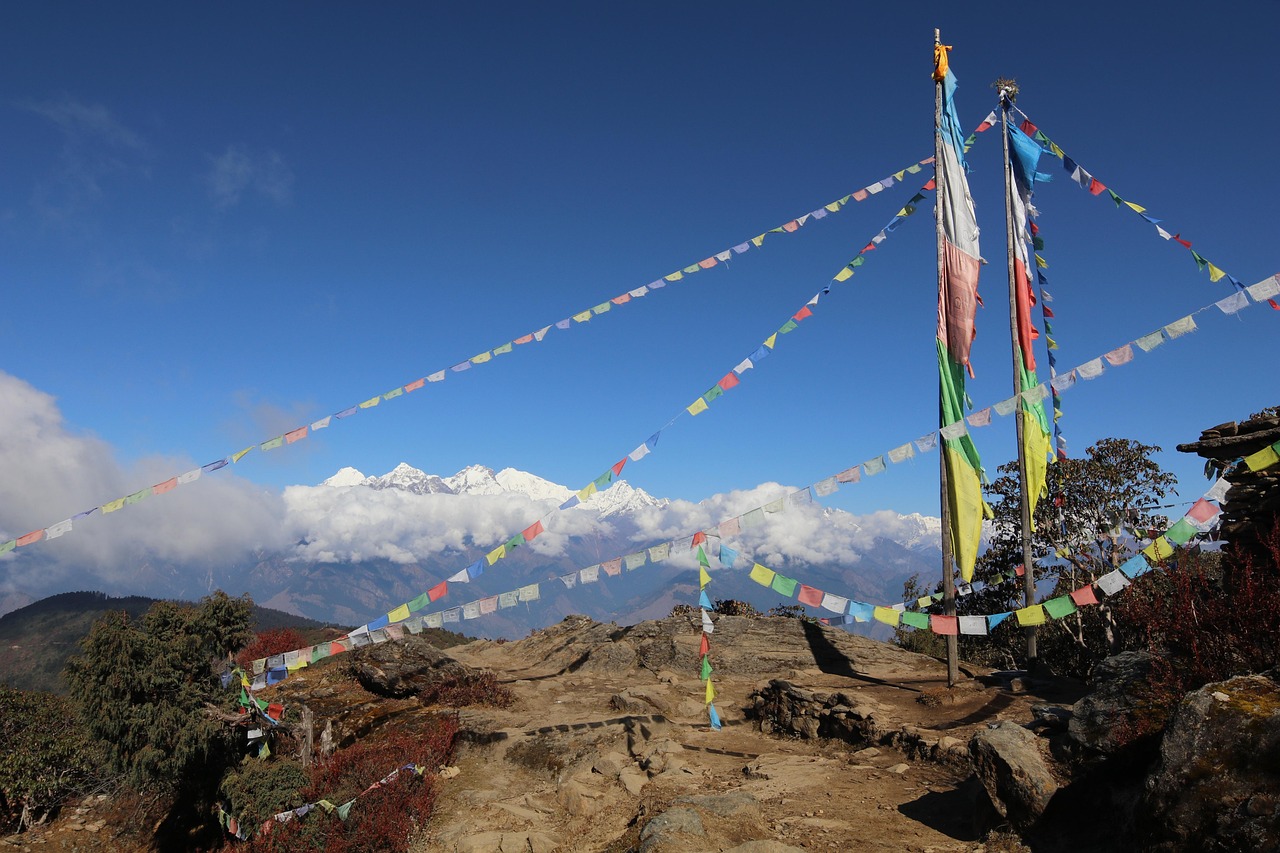
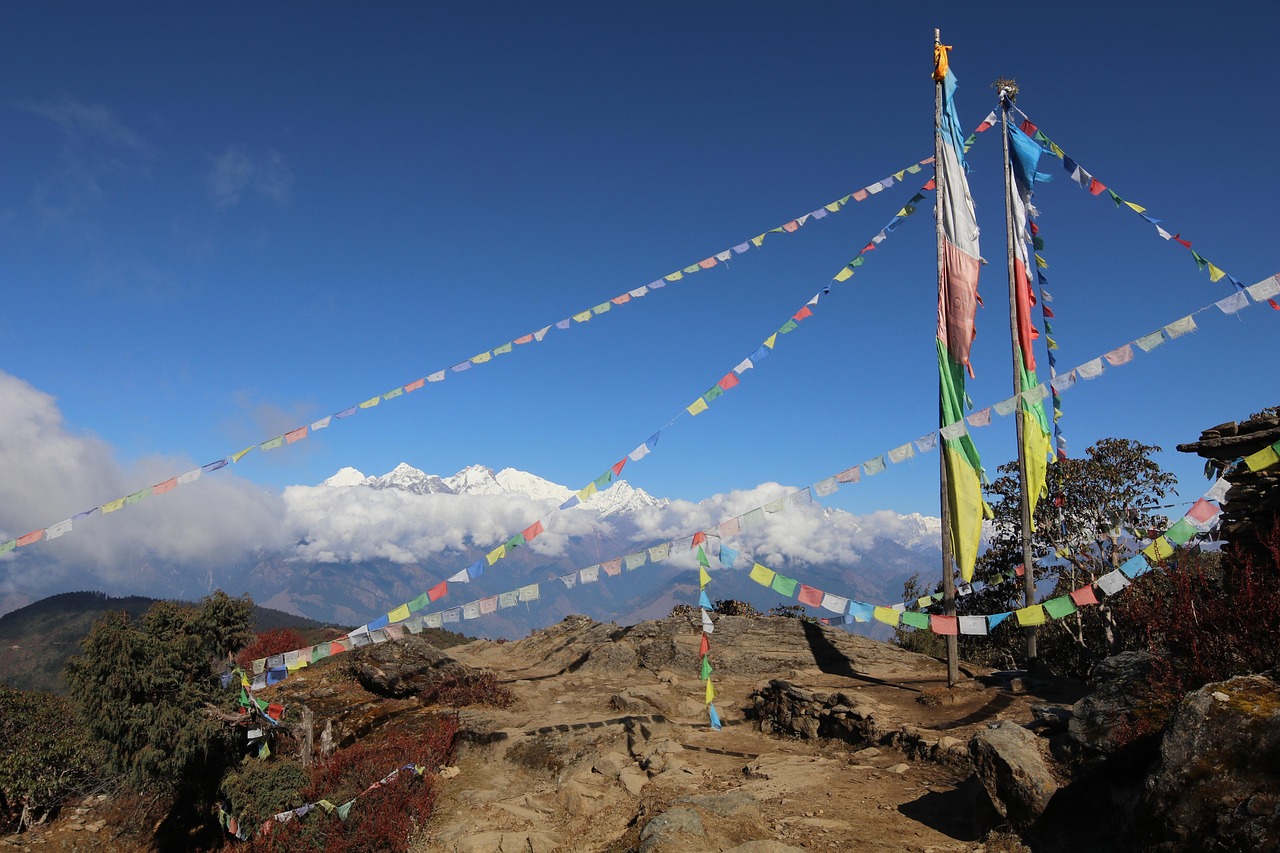
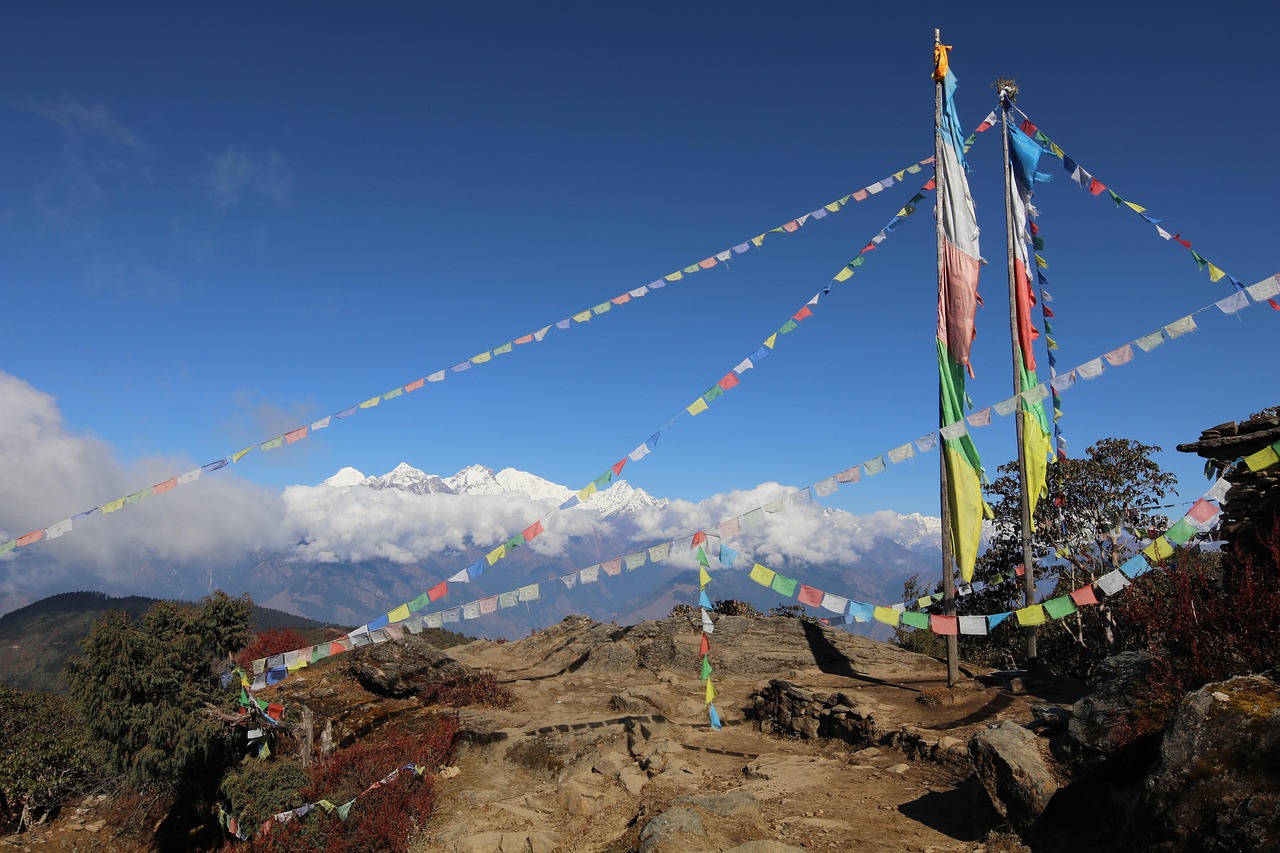
The trail passes through Sherpa villages, where monasteries, prayer flags, and chortens reflect deep Buddhist traditions. Trekkers can experience:
- Daily life in traditional Sherpa communities,
- Spiritual ceremonies in monasteries,
- Warm hospitality in teahouses serving local food and stories of the mountains.
The culture here is intimately tied to the mountains, creating a journey that nourishes both body and soul.
Adventure and Wilderness
The Everest Base Camp Trek is challenging yet accessible, offering a true sense of adventure:
- Moderate to high-altitude trekking through rugged terrain,
- Glacial rivers, suspension bridges, and remote mountain passes,
- Solitude and raw beauty in less-traveled sections of the Khumbu region.
Despite its popularity, the trek allows moments of peace and connection with the Himalayas, especially at sunrise or sunset.
Why the Everest Base Camp Trek Is Special?
This trek is more than a journey—it is a pilgrimage to the world’s roof. Standing at Base Camp or atop Kala Patthar, with Everest looming above, trekkers feel the magnitude, majesty, and timelessness of the Himalayas.
For anyone seeking iconic scenery, cultural immersion, and personal challenge, the Everest Base Camp Trek is a lifetime experience—where mountains, spirituality, and adventure converge in perfect harmony.
Basic Information About The Everest Base Camp Trek
1. Location:
The Everest Base Camp (EBC) Trek is located in the Solu-Khumbu region of northeastern Nepal. The trail passes through Sherpa villages, rhododendron forests, and high-altitude landscapes within the Sagarmatha National Park, offering trekkers a close-up experience of the world’s highest mountain, Mount Everest (8,848 meters).
2. Altitude:
The trek reaches its highest point at Kala Patthar (5,545 meters), which provides panoramic views of Everest, Lhotse, Nuptse, Ama Dablam, and surrounding peaks. Everest Base Camp itself sits at 5,364 meters.
3. Trek Duration:
The trek usually takes 12–16 days, depending on the itinerary, acclimatization days, and optional side trips such as Gokyo Lakes or Cho La Pass.
4. Difficulty Level:
The trek is considered challenging due to long trekking days, high altitude, and remote terrain. A good level of physical fitness, proper acclimatization, and previous trekking experience are recommended.
5. Best Seasons:
- Spring (March–May) offers blooming rhododendrons, clear skies, and pleasant trekking conditions.
- Autumn (September–November) provides stable weather, crisp air, and spectacular visibility of Himalayan peaks.
- Winter (December–February) is cold with fewer trekkers and possible snow at higher altitudes.
- Monsoon (June–August) brings heavy rains and clouds, reducing visibility and making trails slippery.
6. Accommodation & Food:
Accommodation is mainly in teahouses and lodges along the trail, offering basic but comfortable facilities with shared bathrooms. Meals typically include dal bhat (rice and lentils), noodles, soups, momos, eggs, and tea/coffee to sustain trekkers throughout the journey.
7. Permits Required:
Trekkers need a Sagarmatha National Park Entry Permit, a TIMS (Trekkers’ Information Management System) Card, and, for some restricted areas like Gokyo, additional permits may be required.
8. Culture & Spirituality:
The trek passes through Sherpa villages with Buddhist monasteries, chortens, prayer flags, and traditional homes. Trekkers experience the rich Sherpa culture, spiritual traditions, and hospitality of the high Himalayas.
9. Connectivity & Safety:
Mobile network coverage is available in major villages but is limited at higher altitudes. Trekkers should carry warm clothing, proper trekking gear, sufficient water, snacks, and a first-aid kit. Proper acclimatization and guidance from experienced guides ensure a safe and rewarding trek.
1. What is the Everest Base Camp Trek?
+
The Everest Base Camp (EBC) Trek is a world-famous high-altitude trek to the base of Mount Everest (8,848m). It offers stunning Himalayan views, Sherpa culture, ancient monasteries, and iconic landscapes.
2. How long does the trek take?
+
The trek usually takes 12–16 days from Lukla to Everest Base Camp and back, depending on acclimatization days and itinerary variations.
3. Who can do this trek?
+
It is suitable for fit trekkers with moderate to good physical fitness. Previous high-altitude trekking experience is helpful but not mandatory.
4. When is the best time to trek?
+
Spring (March–May): Clear skies, blooming rhododendrons, and ideal temperatures
Autumn (September–November): Stable weather, crisp air, and excellent mountain visibility
5. What permits do I need?
+
Sagarmatha National Park Permit
TIMS Card
6. What type of accommodation is available?
+
Accommodation is in teahouses and lodges along the route, offering simple rooms, shared bathrooms, and hot showers at certain stops.
7. Are meals included?
+
Meals are available in teahouses and lodges, serving Nepali, Tibetan, and basic international dishes. Trekking packages may include meals depending on the arrangement.
8. Is the Everest Base Camp Trek safe?
+
Yes, it is generally safe with proper acclimatization, a licensed guide, and attention to altitude precautions. Altitude sickness is the main concern.
9. Where does the trek start?
+
The trek starts from Lukla, accessible by a short flight from Kathmandu, and passes through villages like Namche Bazaar, Tengboche, Dingboche, and Lobuche before reaching EBC.
10. What makes the Everest Base Camp Trek special?
+
The trek is special for its panoramic views of Everest and surrounding peaks, Sherpa culture, Buddhist monasteries, Khumbu Glacier landscapes, and the experience of standing at the foot of the world’s highest mountain, making it a bucket-list adventure for trekkers worldwide.