Best Deals Outreach Blog FAQ About Us Contact

Sleep at Everest Base Camp-Days

Duration
15 days
Trip Grade
Moderate
Country
Max Altitude
5545 Meters/ 18,192ft (Kala Patthar)
Starts
kathmandu
Ends
Kathmandu
Activities
Trekking
Best Time
Spring and Autumn

Sleep at Everest Base Camp – Trek Overview

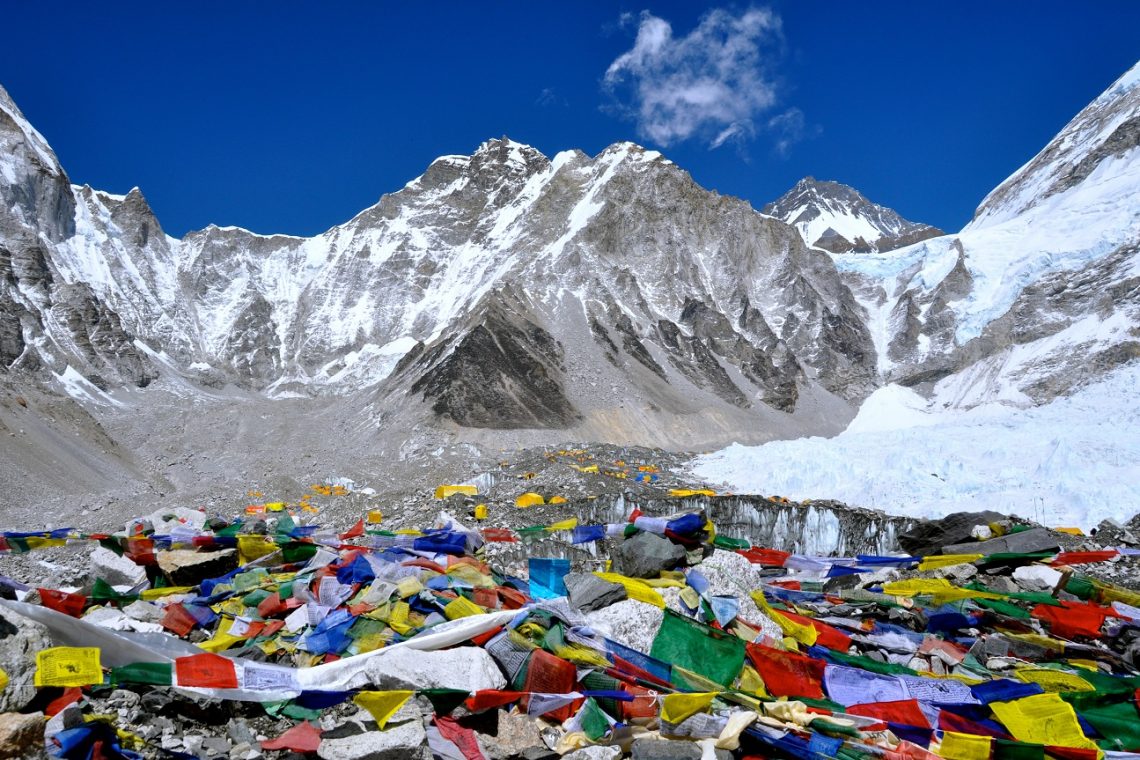
The Sleep at Everest Base Camp Trek is a rare and unforgettable adventure that allows you to spend a night at Everest Base Camp (5,364m)—something most trekkers do not get to experience. While most people visit Base Camp and return to Gorak Shep the same day, this trek gives you the unique opportunity to sleep overnight in a tent at Base Camp, surrounded by the world’s highest mountains.

All camping equipment is provided, and a traditional Sherpa meal (Dal Bhat) is prepared at Base Camp. During the spring climbing season, you may see climbers heading into the Khumbu Icefall at night, using only their headlamps. In the quieter post-monsoon season, the Base Camp feels peaceful, with only the sound of the glacier nearby.

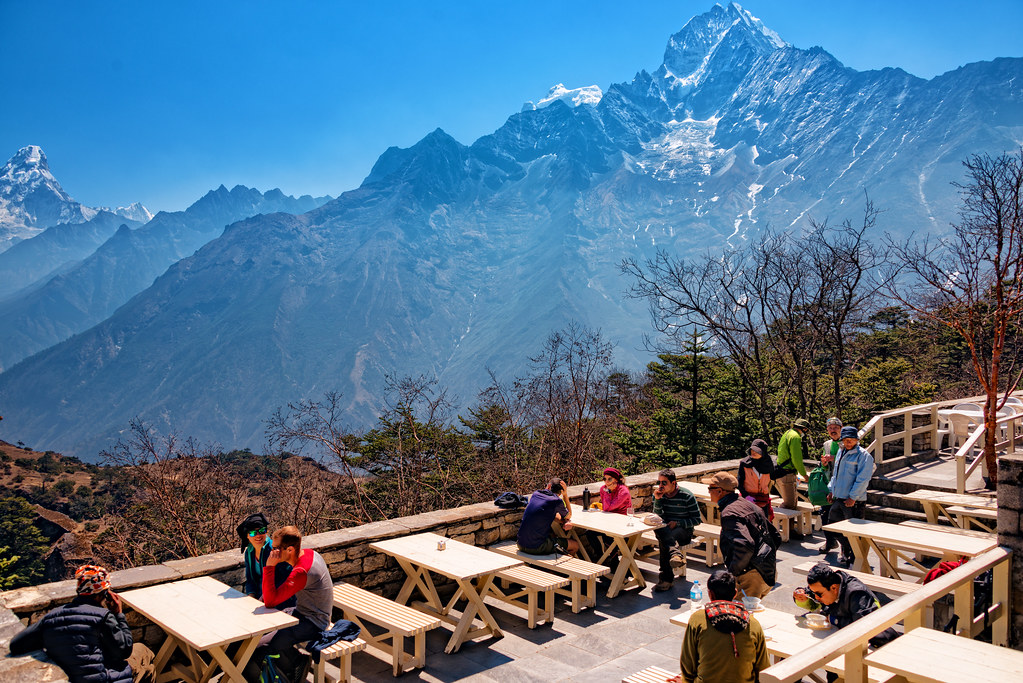
The journey follows the classic Everest Base Camp trekking route, passing through beautiful Sherpa villages such as Namche Bazaar, Pangboche, and Dingboche. Along the way, you’ll enjoy stunning views of famous peaks like Mount Everest, Lhotse, Ama Dablam, and Thamserku, all within Sagarmatha National Park.

Trekking in the Everest region is challenging. You will walk 6–7 hours a day on steep and uneven trails at high altitude, and the weather can change quickly. Proper acclimatization and rest are essential for safety and success. To reduce the risk of altitude sickness, the trek includes three acclimatization nights in Namche Bazaar.

Good sleep is a key part of this experience. The trek is designed to help you rest well, stay energized, and enjoy the journey, even in difficult conditions. With experienced guides, careful planning, and a strong focus on acclimatization, this trek has maintained a high success rate.

Sleeping at Everest Base Camp is a once-in-a-lifetime experience that combines adventure, culture, and breathtaking scenery—an achievement you will never forget.

Trek Highlights

  • Sleep at one of the highest base camps in the world, at about 17,600 feet (5,364 meters)
  • Enjoy a challenging trek through mountains and high altitudes.
  • Experience the culture and daily life of the Sherpa people.
  • Walk through beautiful landscapes like forests, alpine meadows, and glaciers.
  • Visit the famous Everest Base Camp, where climbers begin their climb .
  • See clear night skies and enjoy stargazing away from city lights.
  • Take part in a once-in-a-lifetime adventure for trekking lovers.
  • Follow a gradual ascent with rest days to help your body adjust to the altitude.
  • Stay in local teahouses with basic rooms and warm hospitality.
  • Be ready for cold nights, especially at higher elevations.

Trip Plan

Day 01: Arrival in Kathmandu

+

After arriving at Tribhuvan International Airport in Nepal and completing visa and luggage formalities, you’ll be picked up by your trip leader and driven to your hotel in Kathmandu. In the evening, your trek leader will give a briefing over welcome drinks, followed by some free time to relax or explore nearby. The day ends with a welcome dinner at a traditional Nepalese restaurant.

Day 02: Flight to Lukla and Trek to Phakding

+

Early morning transfer to the airport for a scenic flight to Lukla. After landing, meet the trekking crew and begin your first trek toward Phakding. The trail passes through small villages, prayer wheels, and mani stones alongside the Dudh Koshi River. Overnight stay at a teahouse in Phakding.

Day 03: Trek from Phakding to Namche Bazaar

+

Today’s trek includes crossing several suspension bridges and entering Sagarmatha National Park. The trail gradually ascends with the first distant views of Mount Everest on a clear day. After a steep final climb, arrive at Namche Bazaar, the main trading center of the Khumbu region. Overnight stay in Namche Bazaar.

Day 04: Acclimatization Day at Namche Bazaar

+

This is a rest and acclimatization day to help your body adjust to the altitude. Optional short hikes to nearby viewpoints or villages are arranged. You can explore Namche’s markets, bakeries, and museums. Overnight stay in Namche Bazaar.

Day 05: Trek from Namche Bazaar to Tengboche

+

The trail offers stunning views of Everest, Lhotse, and Ama Dablam. After descending to the river, the path climbs through forests to Tengboche. Visit the famous Tengboche Monastery, the spiritual center of the region. Overnight stay in Tengboche.

Day 06: Trek from Tengboche to Dingboche

+

Descend through rhododendron forests and cross the Imja River before climbing toward Dingboche. The landscape becomes more open and alpine. Dingboche is surrounded by stone-walled fields protecting crops from cold winds. Overnight stay in Dingboche.

Day 07: Acclimatization Day at Dingboche

+

Today is your second acclimatization day to help your body adjust to the higher altitude. While you will enjoy breathtaking mountain views, it’s important to take it easy and recover for the days ahead. You can choose to rest at Dingboche or explore the nearby villages of Chhukung and Imja. Short hikes are also possible, such as ascending Nagarjun Hill (2,128 m / 6,981 ft) or Chhukung Ri (5,546 m / 18,195 ft). From the summit of Nagarjun Hill, you can admire panoramic views of peaks like Mt. Makalu, Mt. Lobuche, Thamserku, and Ama Dablam.

Day 08: Trek from Dingboche to Lobuche

+

The trek begins by following the Khumbu Khola valley toward Duglha. As you approach Dusa, the valley narrows, and the trail becomes more demanding, with large boulders to navigate and high-altitude yaks grazing nearby. Along the way, you will notice many monuments decorated with prayer flags and stones, honoring climbers who have lost their lives on Everest. From here, the path continues toward the route that leads to Cho-La Pass and the Gokyo Lakes region. On a clear day, you can admire towering peaks such as Khumbutse (6,636 m / 21,771 ft), Lingtren (6,749 m / 22,142 ft), and Pumori (7,161 m / 23,494 ft). The steep, rocky terrain can make the hike to Lobuche physically challenging, and accommodations are limited, with only a few teahouses in the village.

Day 09: Trek from Lobuche to Gorak Shep

+

The day begins with a trek past a striking crevasse located between the lateral moraine of a glacier and a mountain. A gradual climb then leads you toward Changri Nup Glacier. The undulating terrain offers a challenging and exhilarating walk. After a slight descent in the final stretch, you arrive in a barren area with sandy moraines and a small cluster of lodges surrounded by jagged rocky terrain and towering mountains. This is Gorakshep, where you will spend the night.

Day 10: Hike to Kalapatthar and Trek to Everest Base Camp

+

Early morning hike to Kalapatthar for sunrise views of Mount Everest and surrounding peaks. After descending, trek to Everest Base Camp, walking over rocky glacial terrain. Experience the unique atmosphere of base camp and spend the night there. Overnight at Everest Base Camp.

Day 11: Descend from Everest Base Camp to Pangboche

+

Begin descending as oxygen levels improve. Retrace the trail past Gorak Shep, Lobuche, and Dingboche before reaching Pangboche, one of the oldest Sherpa villages in the region. Overnight stay in Pangboche.

Day 12: Trek from Pangboche to Namche Bazaar

+

Descend through forests and cross rivers before climbing back to Namche Bazaar. Enjoy the comforts of lower altitude and celebrate nearing the end of the trek. Overnight stay in Namche Bazaar.

Day 13: Trek from Namche Bazaar to Lukla

+

Your final trekking day follows the Dudh Koshi River back to Lukla. In the evening, celebrate the completion of the trek with your trekking crew. Overnight stay in Lukla.

Day 14: Flight from Lukla to Ramechhap and Drive to Kathmandu

+

Early morning flight from Lukla to Ramechhap, followed by a scenic drive back to Kathmandu. Transfer to your hotel and enjoy free time to relax or shop for souvenirs. Overnight stay in Kathmandu.

Day 15: Final Departure

+

After breakfast, transfer to Tribhuvan International Airport for your onward journey, marking the end of your Everest Base Camp adventure.

Cost Details

Included

  • Airport Pickup and Drop
  • Assistance


Not Included

  • Travel Insurance
  • Accommodation and Meals in Kathmandu
  • Porter Services
  • Personal Expenses
  • Gratuities


Other Basic Information

Everest Region trekking is one of the most famous trekking experiences in the world. It takes place in the Khumbu region of Nepal, home to Mount Everest, the world’s highest mountain.

The trek leads through scenic mountain trails, traditional Sherpa villages, Buddhist monasteries, and stunning Himalayan landscapes. Trekkers pass through forests, rivers, suspension bridges, glaciers, and high-altitude valleys.

A special highlight of this trek is the chance to sleep overnight at Everest Base Camp, located at about 5,364 meters (17,600 feet). This is where mountaineers prepare for their climb to the summit of Everest. Spending a night here offers a rare opportunity to experience the true high-altitude environment of the Himalayas.

The journey includes gradual ascent and acclimatization days to help the body adjust to high altitude. Accommodation along the route is mainly in local teahouses, offering basic rooms, warm meals, and friendly hospitality. At higher elevations, conditions become colder, especially at night.

This trek is ideal for adventure seekers who want a challenging, rewarding, and unforgettable Himalayan experience surrounded by some of the world’s most iconic mountains.

FAQs

What is the best time to trek to Everest Base Camp? +
The best seasons are pre-monsoon (March to May) and post-monsoon (late September to November) for clear skies and moderate weather.
How long does the trek take? +
A standard EBC trek takes about 12–14 days from Lukla to Base Camp and back, including acclimatization days.
What is the highest point of the trek? +
Everest Base Camp itself is at 5,364 meters (17,598 ft), and Kala Patthar (5,545 m) is often climbed for the best views of Everest.
What kind of accommodation is available? +
Mostly tea houses/lodges offering basic rooms, shared bathrooms, and meals. Luxury options are limited.
Is altitude sickness a concern? +
Yes, altitude sickness can occur. It’s important to ascend slowly, stay hydrated, and take rest/acclimatization days.
Are there medical facilities on the trek? +
Basic medical facilities exist in villages like Namche and Dingboche. Major hospitals are in Kathmandu and Lukla. Carry a first-aid kit.

Book a Trek

No discount

Free cancellation

No Deposit Required

Similar Packages

$995 PER PERSON
langtang region View Details ⇒
15 Days
$ 400 PER PERSON
langtang region View Details ⇒
7
$725 PER PERSON
annapurna region View Details ⇒
9 Days
$2200 PER PERSON
kanchenjunga region View Details ⇒
22 Days
$4400 PER PERSON
everest region View Details ⇒
13 Days
$875 PER PERSON
manaslu region View Details ⇒
12 Days