Manaslu Trek: Himalayan Majesty and Cultural Richness
The Manaslu Trek is a classic Himalayan journey that takes trekkers through one of Nepal’s most scenic and remote regions, centered around Manaslu (8,163m), the world’s eighth-highest peak. This trek combines towering mountains, diverse landscapes, and rich cultural heritage, offering both adventure and spiritual inspiration.
The Beauty of the Trek
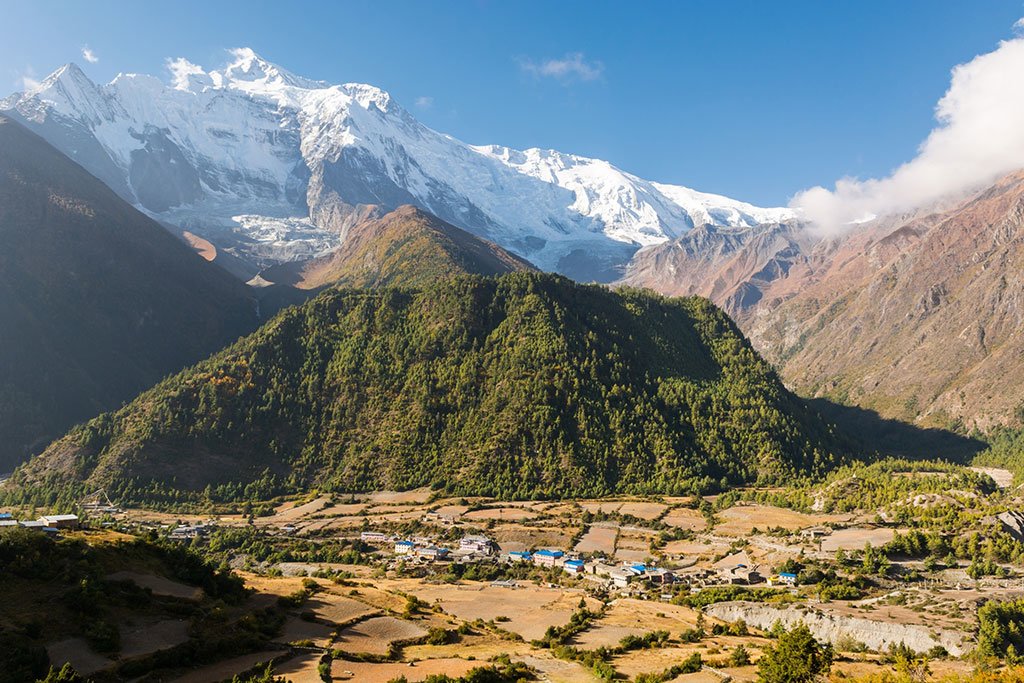
The route passes through lush valleys, terraced farmland, and high alpine terrain:
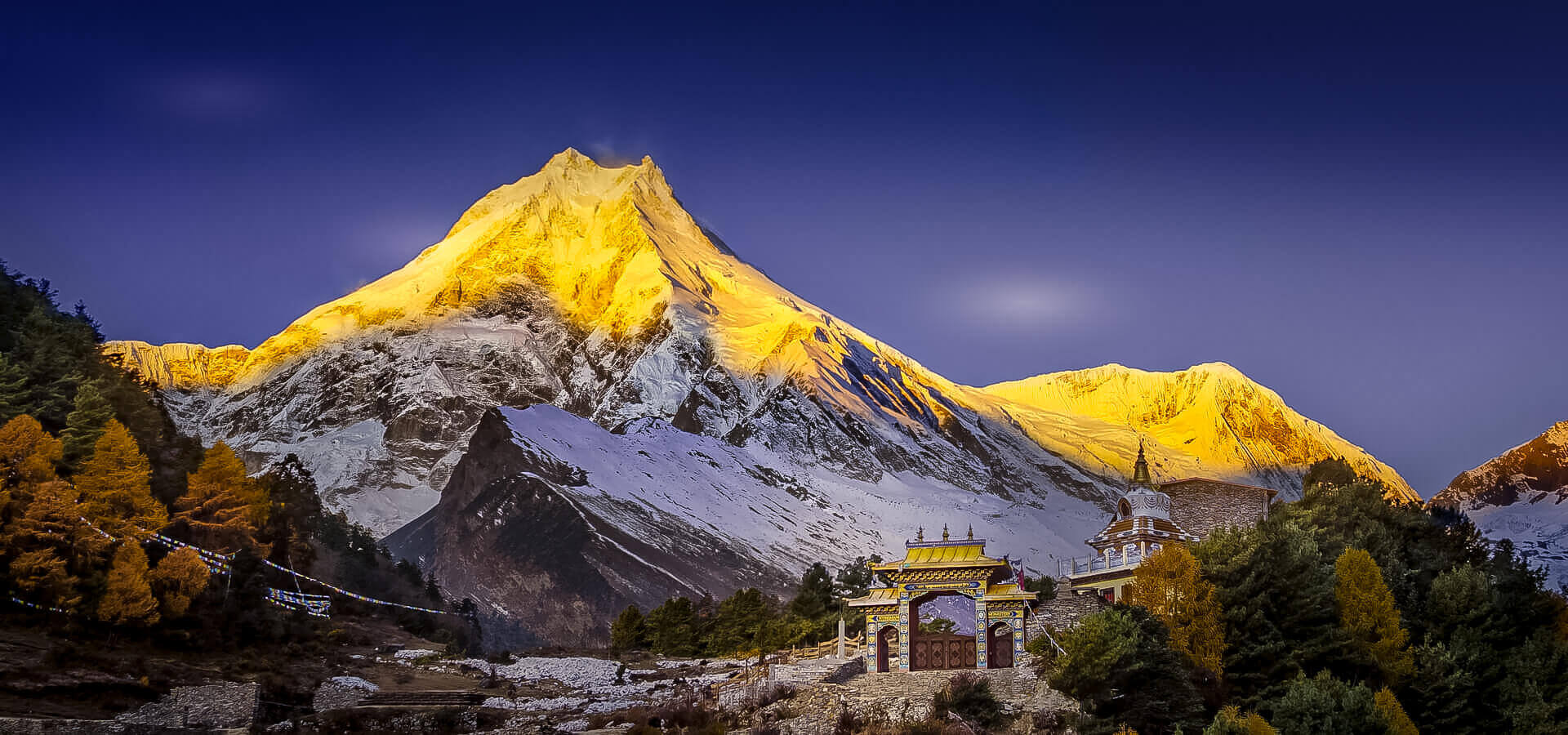
- Dramatic views of Manaslu, Himalchuli, and Ganesh Himal,
- Rolling forests of rhododendron, pine, and bamboo,
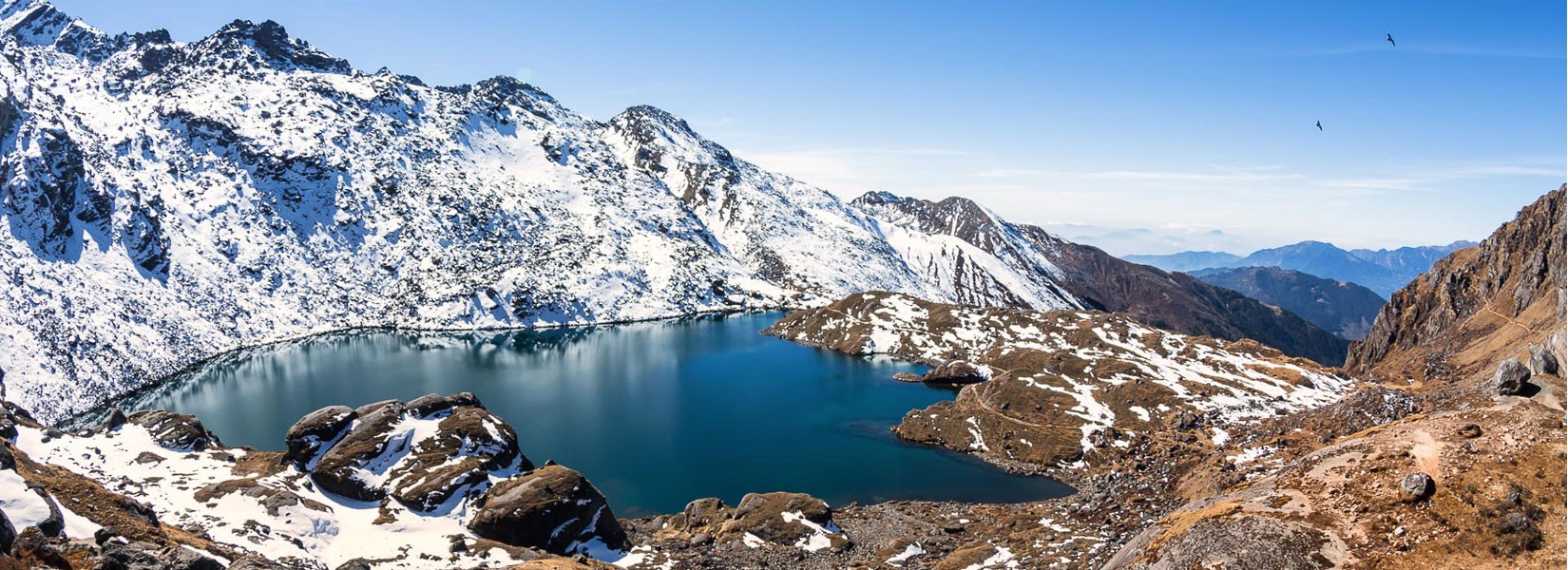
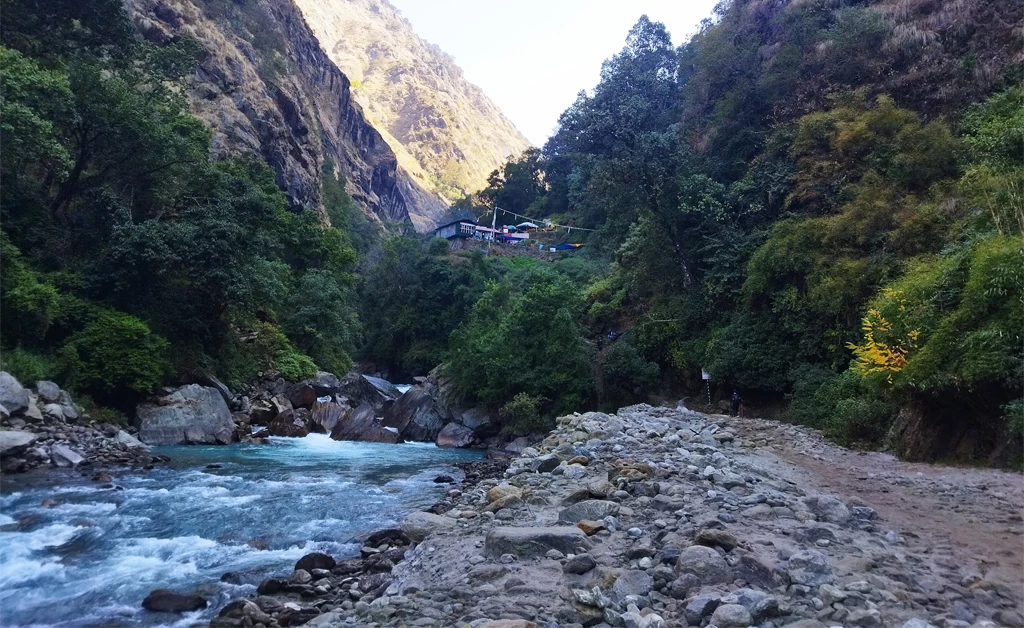
- Peaceful rivers, waterfalls, and alpine meadows,
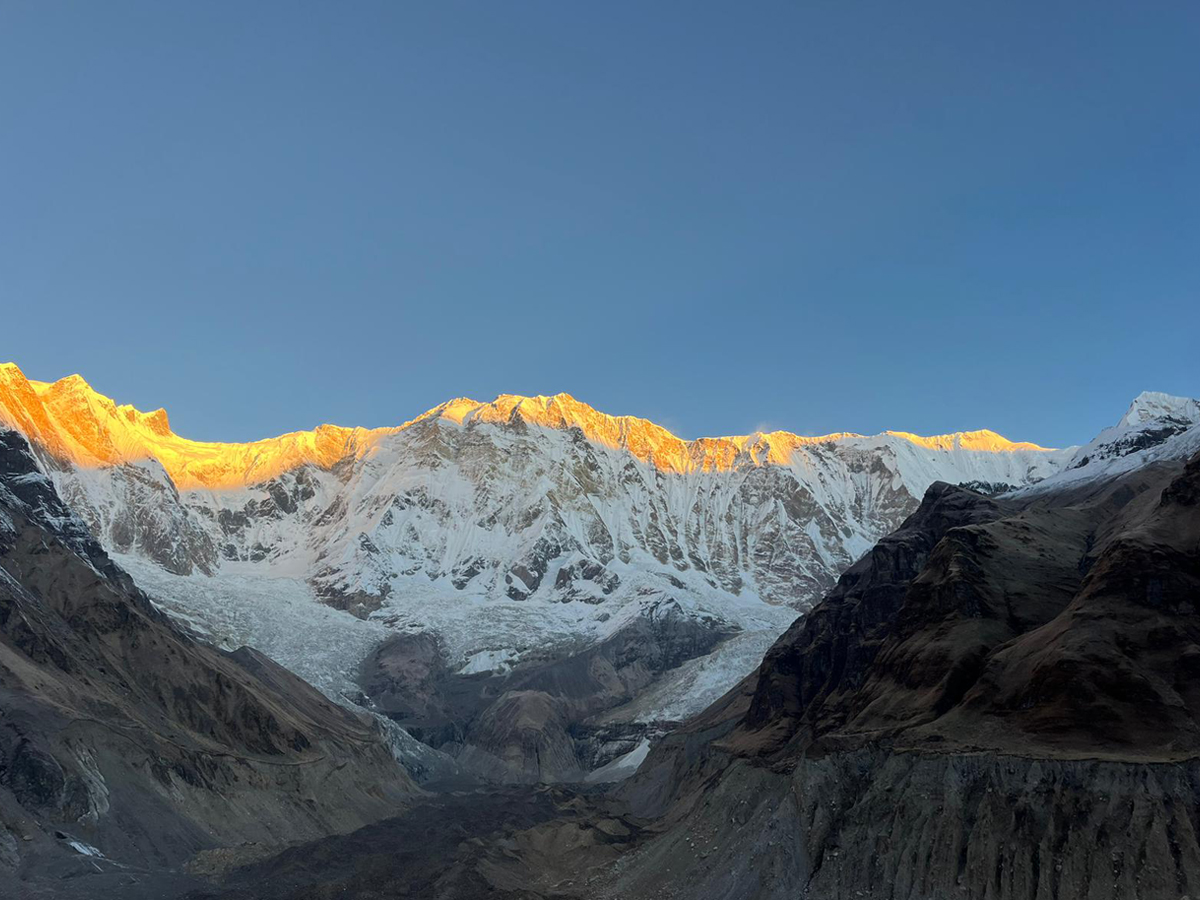
- High passes and ridgelines offering breathtaking sunrises and sunsets over the Himalayan skyline.
Each stage of the trek provides a new perspective of the Himalayan grandeur, from green foothills to snow-capped peaks.
Culture and Local Life
The Manaslu region is rich in Tibetan-influenced Buddhist culture, with villages inhabited by Tamang, Gurung, and Tibetan communities. Along the trail, trekkers encounter:
- Monasteries, mani walls, and chortens,
- Festivals, rituals, and traditional lifestyle practices,
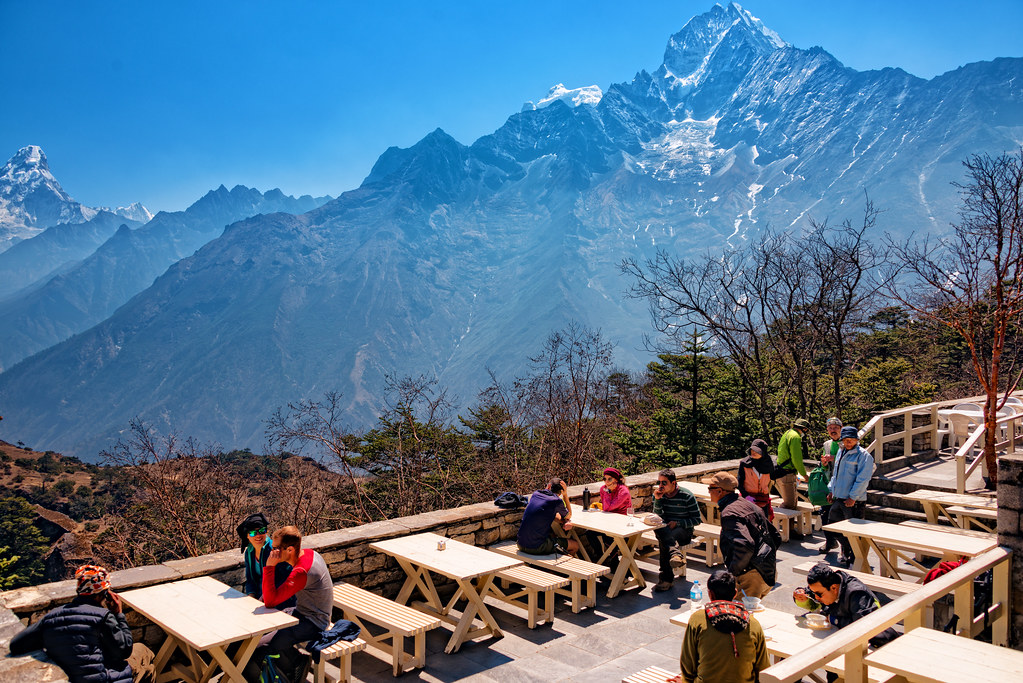
- Warm hospitality in family-run lodges and teahouses.
This cultural immersion adds depth and authenticity to the trekking experience.
Wilderness and Adventure
Less crowded than the Everest or Annapurna trails, the Manaslu Trek offers a sense of solitude and adventure. Trekkers traverse remote valleys, yak pastures, and rugged terrain, experiencing the Himalayas in a pure and untouched setting.
Why the Manaslu Trek Is Special?
The Manaslu Trek is ideal for travelers seeking majestic mountains, cultural richness, and true Himalayan adventure. Standing beneath Manaslu’s massive north face or crossing high passes, trekkers feel a deep connection to the mountains and the traditional Himalayan way of life.
For adventurers seeking a remote, scenic, and culturally immersive trekking experience, the Manaslu Trek offers an unforgettable journey where mountains, culture, and wilderness converge in perfect harmony.
Basic Information About Manaslu Trek
1. Location:
The Manaslu Trek is located in Nepal's north-central region, within the Manaslu Conservation Area. This trek follows remote trails around Mount Manaslu (8,163 meters), the eighth-highest peak in the world, and passes through traditional Gurung, Tibetan, and Sherpa villages, lush forests, and high-altitude landscapes. It is less crowded than the Annapurna and Everest regions, offering a pristine trekking experience.
2. Altitude:
The trek reaches its highest point at Larkya La Pass (5,160 meters). Along the trail, trekkers enjoy breathtaking views of Manaslu, Himalchuli, Ngadi Chuli, and other Himalayan giants, as well as glacial rivers, terraced fields, and alpine valleys.
3. Trek Duration:
The Manaslu Trek typically takes 14–18 days, depending on the itinerary, acclimatization days, and side visits to local villages or monasteries.
4. Difficulty Level:
This trek is considered challenging due to long trekking days, high altitude, and remote trails. Previous trekking experience, good physical fitness, and proper acclimatization are essential for a safe journey.
5. Best Seasons:
- Spring (March–May) brings blooming rhododendrons, pleasant temperatures, and clear mountain views.
- Autumn (September–November) offers stable weather, crisp air, and excellent visibility.
- Winter (December–February) is cold with fewer trekkers, but may have snow at high passes.
- Monsoon (June–August) brings heavy rain to lower areas, though higher trails are relatively dry due to the rain shadow effect.
6. Accommodation & Food:
Accommodation is mostly in teahouses along the route, offering basic facilities with shared bathrooms. Meals typically include dal bhat (rice and lentils), noodles, soups, momos, eggs, and tea or coffee, providing sufficient energy for long trekking days.
7. Permits Required:
Trekkers need a Manaslu Restricted Area Permit, a Manaslu Conservation Area Permit, and a TIMS (Trekkers’ Information Management System) Card. A licensed trekking guide is mandatory for this route.
8. Culture & Spirituality:
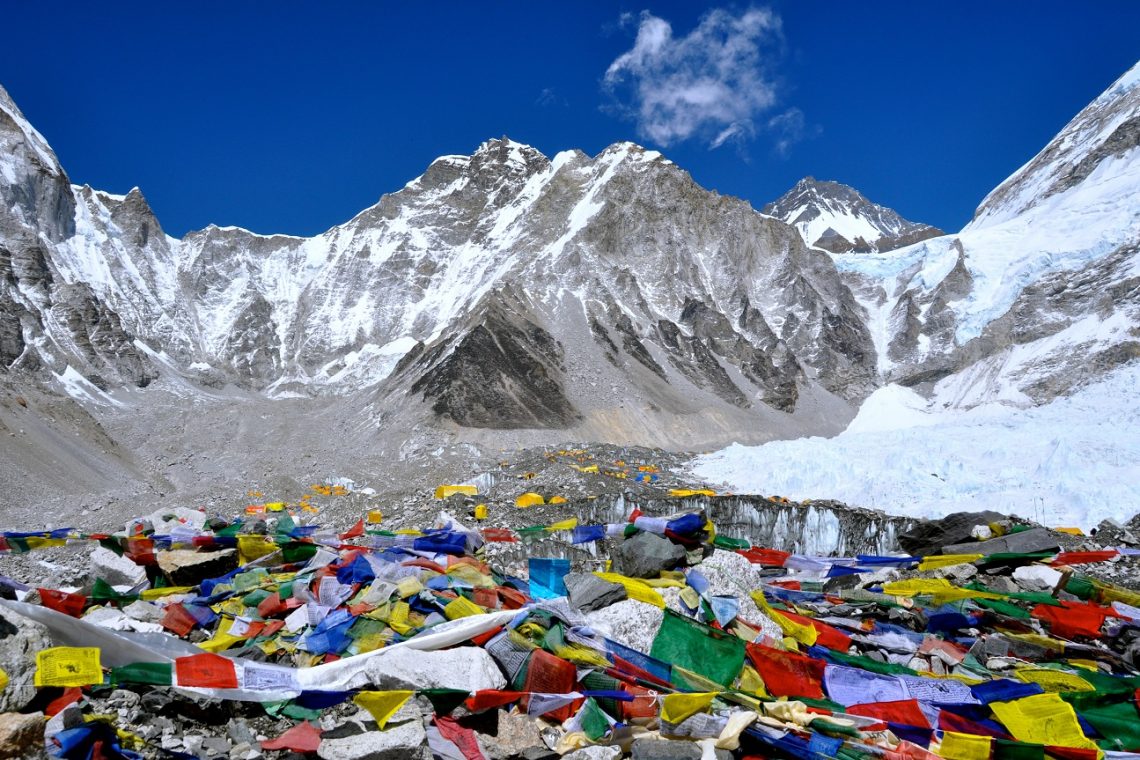
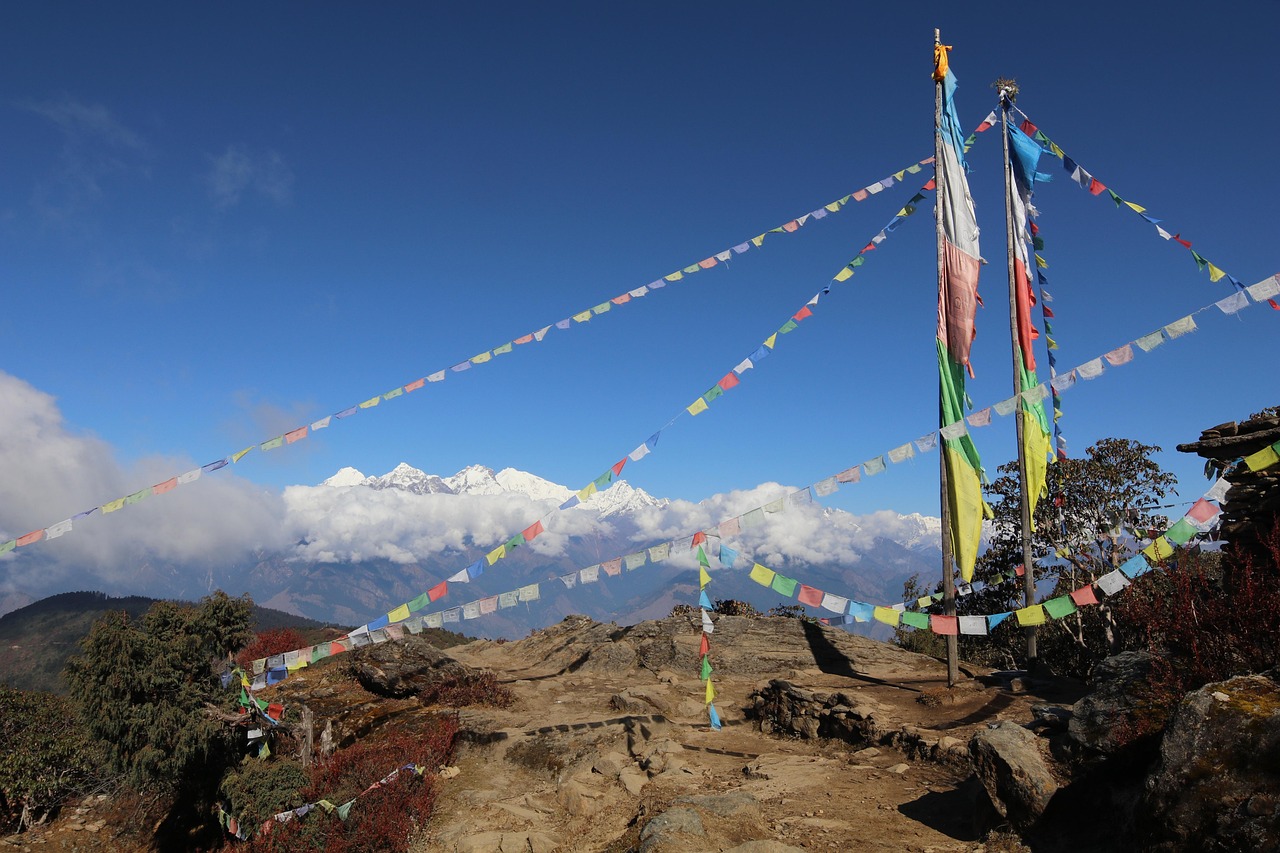
The trek passes through remote villages preserving Tibetan Buddhist culture. Trekkers encounter monasteries, chortens, mani walls, prayer flags, and local festivals, providing a rich cultural and spiritual experience.
9. Connectivity & Safety:
Mobile network coverage is limited and unreliable in most parts of the trek. Trekkers must carry warm clothing, adequate water, snacks, trekking gear, and emergency supplies. Proper acclimatization and guidance from experienced local guides are crucial for a safe journey.
1. What is the Manaslu Trek?
+
The Manaslu Trek is a high-altitude trekking route around Mount Manaslu (8,163m), Nepal’s eighth-highest peak, offering pristine landscapes, remote villages, Buddhist culture, and panoramic Himalayan views.
2. How long does the trek take?
+
The trek typically takes 14–21 days, depending on the route, side trips, and acclimatization schedule.
3. Who can do this trek?
+
The trek is suitable for experienced trekkers with good physical fitness. Prior trekking experience is recommended due to long walking days, high altitudes, and remote terrain.
4. When is the best time to trek?
+
Spring (March–May): Clear skies, wildflowers, and mild temperatures
Autumn (September–November): Stable weather, clear mountain views, and dry trails
5. What permits do I need?
+
Manaslu Restricted Area Permit (RAP)
Manaslu Conservation Area Permit (MCAP)
TIMS Card
6. What type of accommodation is available?
+
Accommodation is mainly in teahouses, homestays, and basic lodges, providing simple rooms with shared facilities.
7. Are meals included?
+
Meals are available at teahouses, featuring Nepali, Tibetan, and basic international dishes. Packages may include meals depending on the operator.
8. Is the Manaslu Trek safe?
+
Yes, it is safe when done with licensed guides, proper acclimatization, and adequate preparation. The trek is remote, so emergency facilities are limited.
9. Where does the trek start?
+
The trek usually starts from Soti Khola (reachable by road from Kathmandu or Arughat), following the Budhi Gandaki River valley.
10. Can I hire a porter?
+
Yes, hiring licensed guides and porters is recommended to carry luggage and supplies due to the trek’s remote nature.
11. What makes the Manaslu Trek special?
+
The trek is special for its unspoiled Himalayan scenery, authentic Buddhist culture, fewer crowds, dramatic landscapes, and the challenge of trekking in a restricted, less-visited region—offering a truly adventurous and remote Himalayan experience.