Kanchenjunga North Base Camp Trek: Journey to the Third Highest Peak on Earth
Hidden in the remote northeastern corner of Nepal, the Kanchenjunga North Base Camp (Kanchanjunga NBC) Trek (approx. 5,100m) offers one of the most pristine and challenging Himalayan experiences. Surrounded by towering peaks, deep valleys, and untouched wilderness, this trek is for adventurers seeking solitude, raw mountain beauty, and cultural immersion far from crowded trails.
The Beauty of the Trek
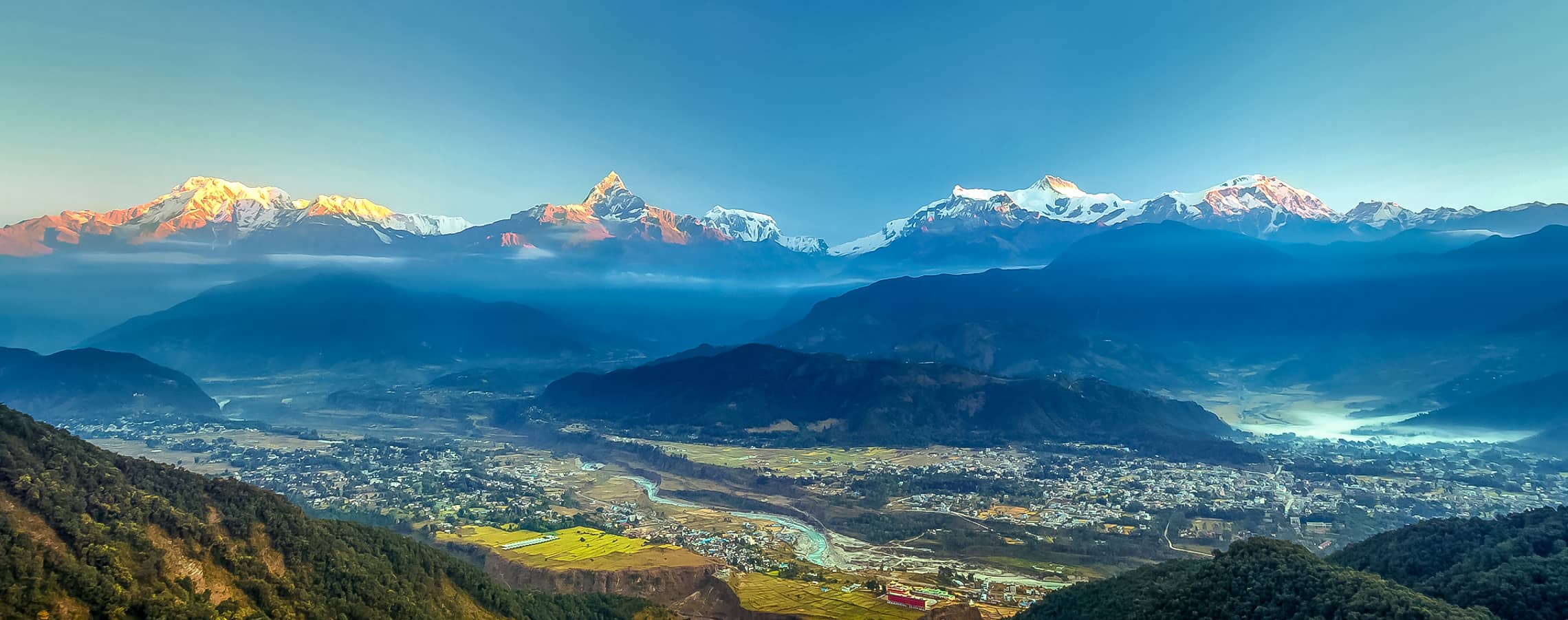
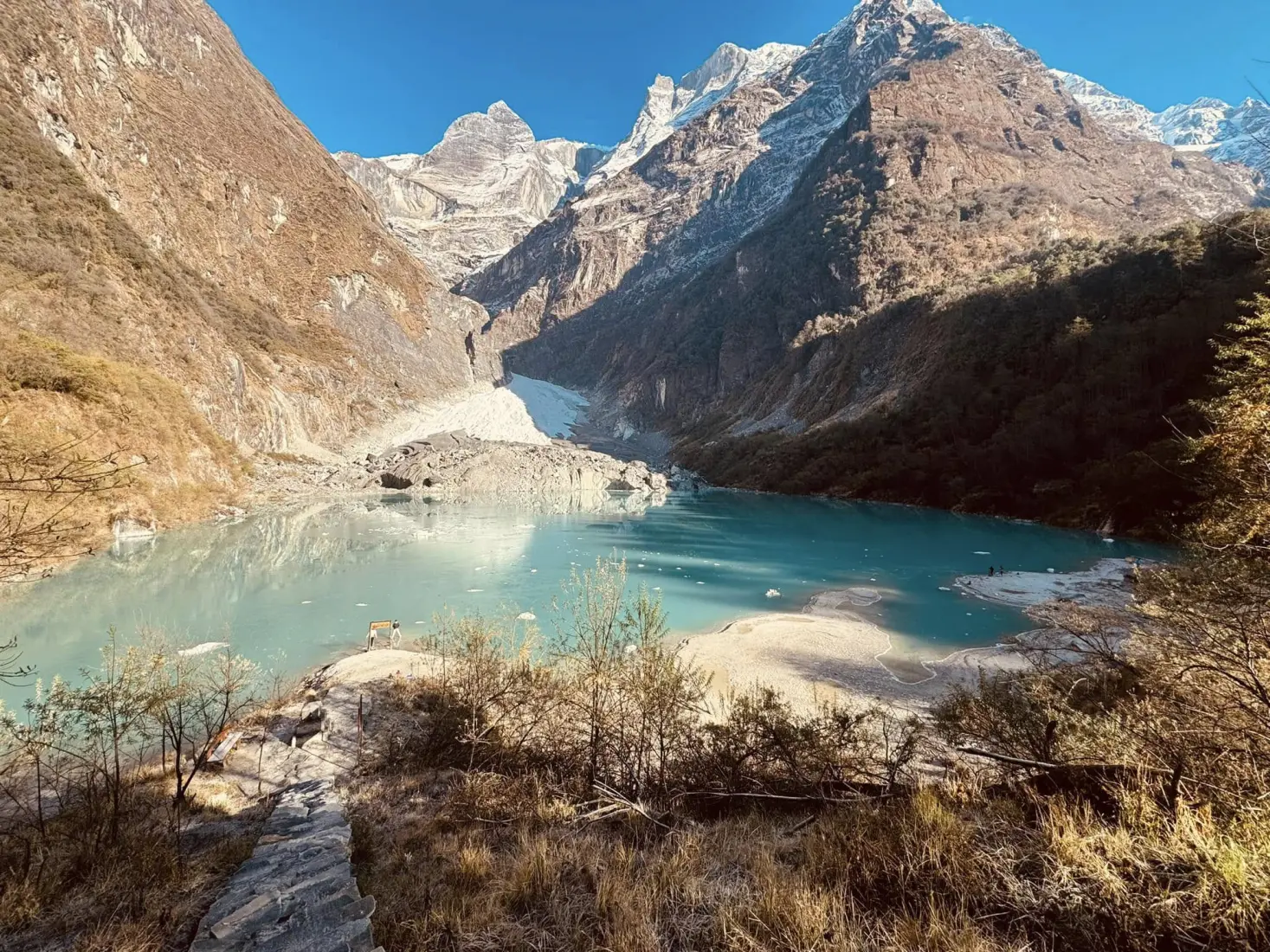
From lush lowland forests to the glacial landscapes of Kanchenjunga, trekkers are treated to jaw-dropping Himalayan vistas:
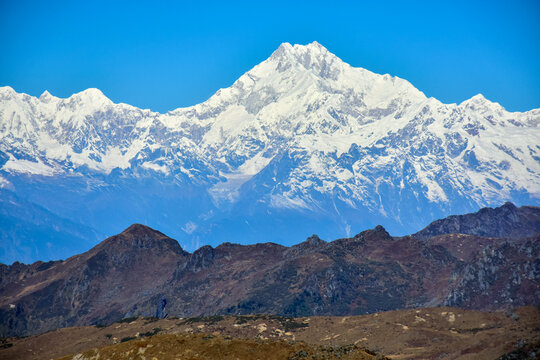
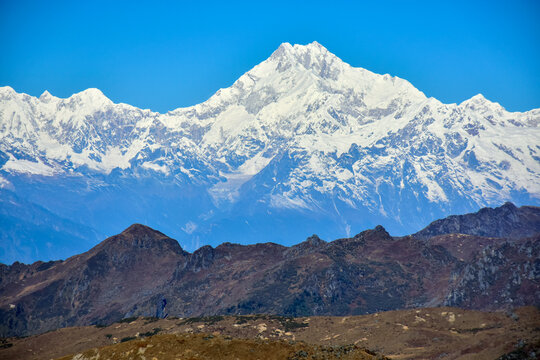
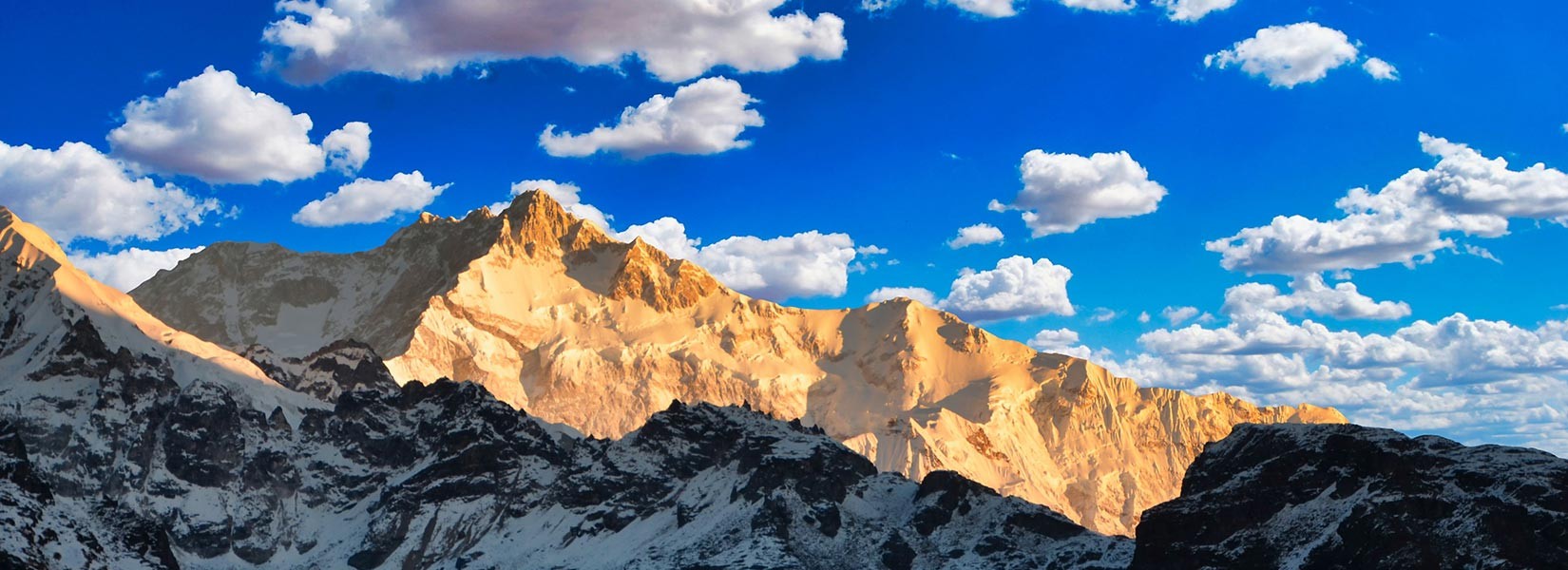
- Kanchenjunga (8,586m), the world’s third-highest peak, rising majestically above the base camp,
- Talung, Kabru, and Jannu forming a spectacular Himalayan panorama,
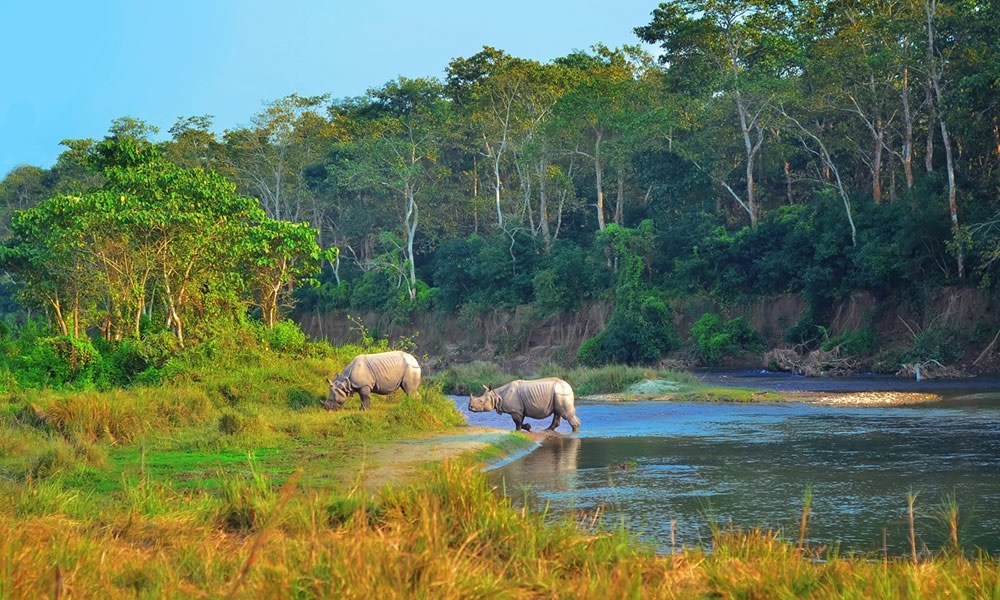
- Alpine meadows, rhododendron forests, and glacier-fed rivers along the route,
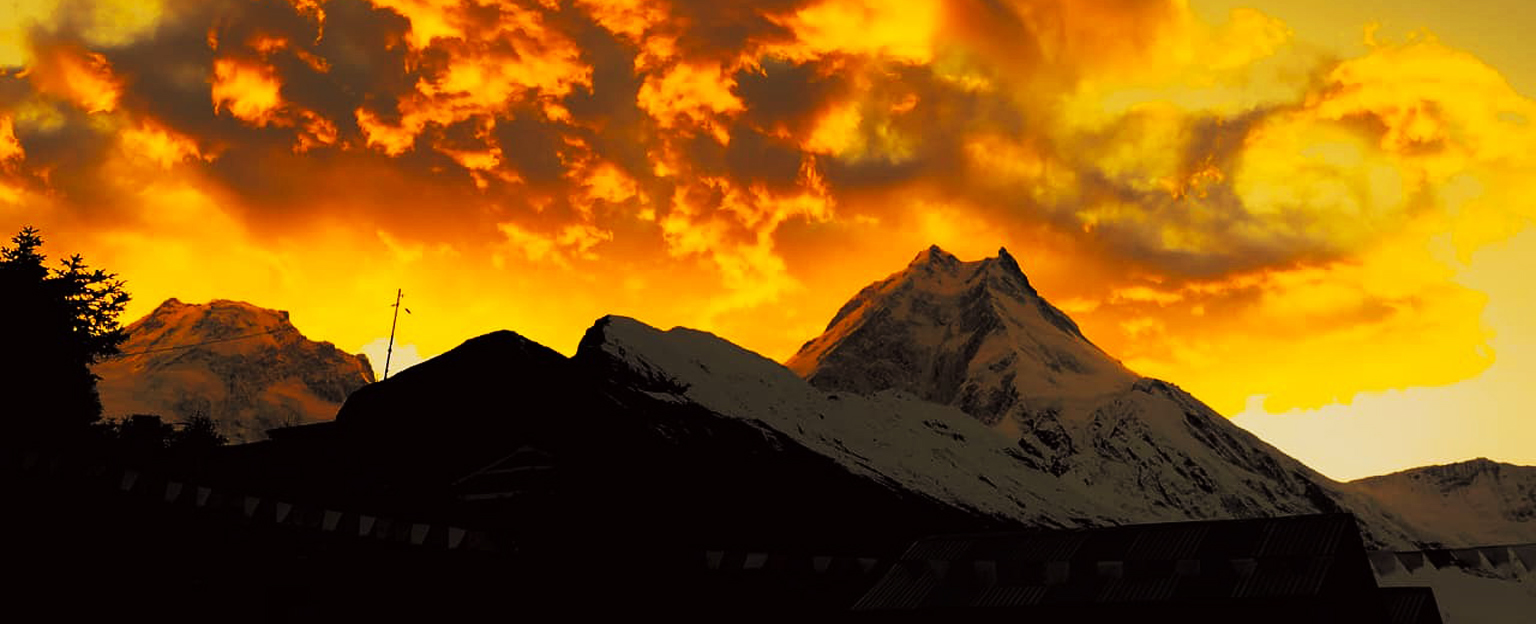
- Sunrise and sunset painting the peaks in golden and pink hues.
The journey through valleys and high ridges feels like a passage into a timeless mountain sanctuary.
Culture and Local Connection
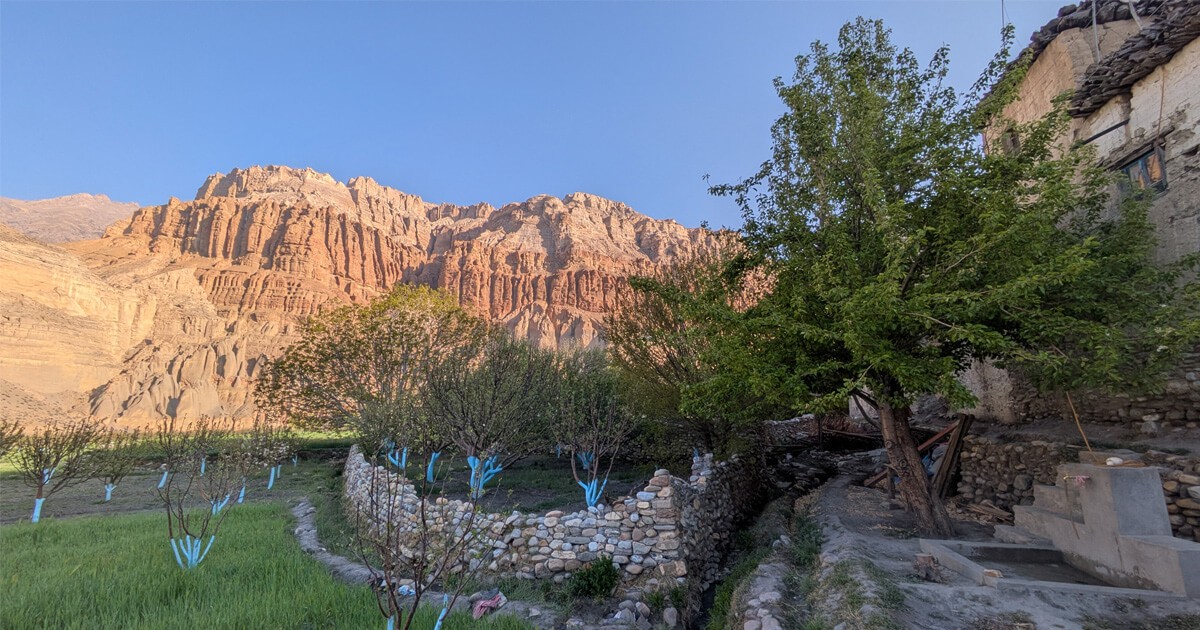
The trek passes through remote Limbu, Sherpa, and Tibetan-influenced villages, where traditional lifestyles, local festivals, and warm hospitality create a meaningful cultural experience. Monasteries, prayer flags, and small shrines add spiritual depth to the journey, giving trekkers a sense of harmony with both nature and culture.
Untouched Wilderness
Kanchenjunga North Base Camp Trek is less frequented than other Himalayan routes, allowing trekkers to experience true solitude and unspoiled landscapes. From dense forests to alpine pastures and glacial valleys, each step reveals a new facet of this remote Himalayan region.
Why Kanchenjunga North Base Camp Trek Is Special?
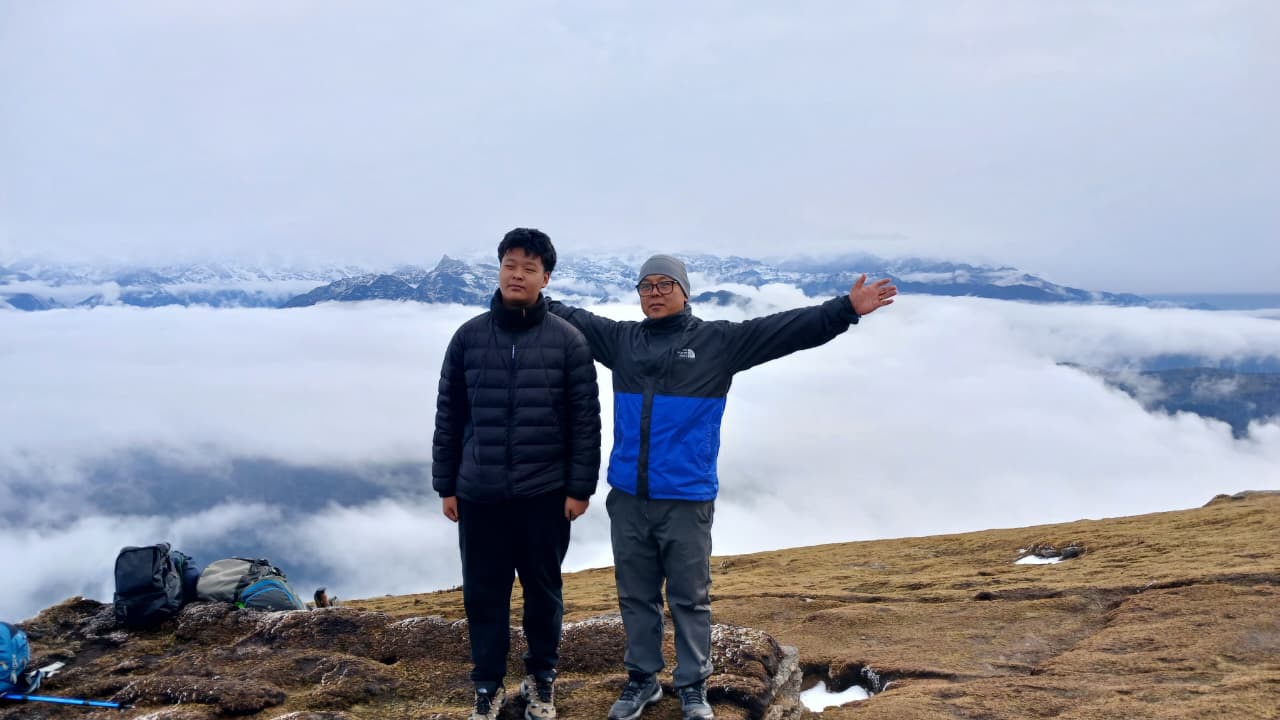
This trek is ideal for experienced trekkers seeking a combination of adventure, breathtaking scenery, and cultural immersion. Standing at Kanchenjunga North Base Camp, surrounded by snow-capped giants and silent glaciers, you feel the full majesty and serenity of the Himalayas.
For those who wish to explore one of Nepal’s last truly remote and spectacular regions, the Kanchenjunga North Base Camp Trek offers an unforgettable journey into the heart of the world’s third-highest peak.
Basic Information About Kanchenjunga North Base Camp Trek
1. Location:
The Kanchenjunga North Base Camp Trek is situated in the easternmost region of Nepal, in the Taplejung and Sankhuwasabha districts, bordering Sikkim, India, and Tibet. The trek explores the remote and pristine landscapes of the Kanchenjunga Conservation Area, home to the world’s third-highest peak, Kanchenjunga (8,586 meters). This route is less crowded than other popular treks, offering an authentic Himalayan wilderness experience with traditional Limbu, Sherpa, and Tibetan-influenced villages along the way.
2. Altitude:
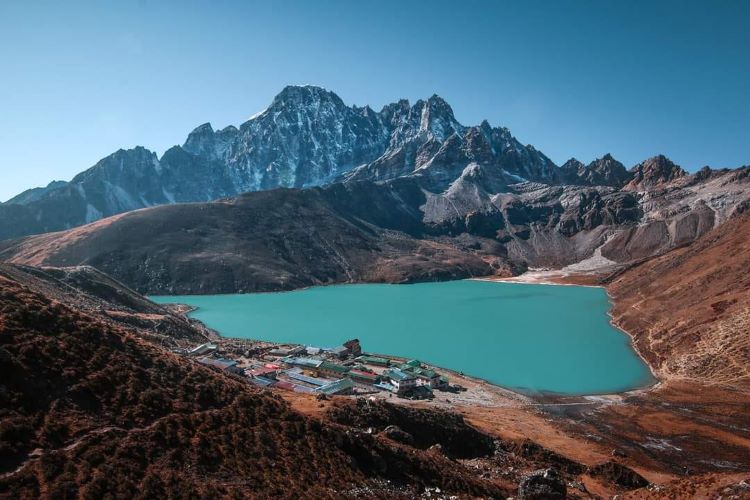
The trek reaches a maximum altitude of approximately 5,143 meters at the North Base Camp of Kanchenjunga. Trekkers are treated to panoramic views of Kanchenjunga, Jannu (Kumbhakarna), Pandim, and other surrounding peaks, along with alpine ridges, glaciers, and high-altitude meadows.
3. Trek Duration
The Kanchenjunga North Base Camp Trek typically takes 18–24 days, depending on the itinerary, acclimatization days, and side explorations. It is designed for trekkers seeking an extended, challenging adventure in a remote Himalayan region.
4. Difficulty Level:
This trek is considered challenging to strenuous due to long trekking days, high altitude, and remote terrain. Trekkers need excellent fitness, stamina, and prior high-altitude trekking experience. Proper acclimatization is critical to avoid altitude sickness.
5. Best Seasons:
- Spring (March–May): Blooming rhododendrons, moderate temperatures, and excellent mountain views.
- Autumn (September–November): Clear skies, stable weather, and the best visibility—the peak trekking season.
- Winter (December–February): Extremely cold, with snow-covered trails; suitable for experienced trekkers only.
- Monsoon (June–August): Trails are slippery, with frequent rainfall and cloud cover limiting visibility.
6. Accommodation & Food:
Accommodation is available in basic teahouses and lodges along lower sections, while higher-altitude regions may require camping or simple huts. Meals typically include dal bhat, noodles, soups, momos, potatoes, and tea or coffee. Food options become limited and simpler in remote areas.
7. Permits Required:
Trekkers must obtain:
- Kanchenjunga Conservation Area Permit (KCAP)
- TIMS (Trekkers’ Information Management System) Card
8. Culture & Nature:
The trek passes through Limbu, Sherpa, and Tibetan-influenced villages, offering insight into traditional Himalayan cultures. The route showcases diverse landscapes, from dense subtropical forests and rhododendron-covered hills to alpine meadows, glaciers, and snow-capped high mountains, preserving a sense of wilderness and serenity.
9. Connectivity & Safety:
Mobile network coverage is limited or nonexistent in most parts of the trek. Trekkers should carry warm clothing, trekking gear, first-aid kits, sufficient food and water, and be prepared for high-altitude conditions. Traveling with an experienced guide is highly recommended for navigation and safety in this remote region.
1. What is the Kanchenjunga North Base Camp Trek?
+
It is a challenging high-altitude trek in eastern Nepal that takes trekkers to the base of Mount Kanchenjunga, the world’s third-highest peak. The trek offers spectacular Himalayan views, remote villages, and unspoiled natural beauty.
2. How long does the trek take?
+
The trek typically takes 18–24 days, depending on the exact route, acclimatization days, and optional side trips.
3. Who can do this trek?
+
This trek is suitable for experienced trekkers with good physical fitness and prior high-altitude trekking experience, as it involves steep trails and remote terrain.
4. When is the best time to trek?
+
Spring (March–May): Clear skies and blooming rhododendrons
Autumn (September–November): Stable weather and excellent visibility
5. What permits do I need?
+
Kanchenjunga Conservation Area Permit (KCAP)
TIMS Card
6. What type of accommodation is available?
+
Accommodation is mainly in basic teahouses and lodges along the trail, with simple rooms and shared facilities.
7. Are meals included?
+
Meals are available at teahouses, offering Nepali and Asian dishes. Trekking agencies typically include breakfast and dinner in their packages.
8. Is the Kanchenjunga North Base Camp Trek safe?
+
Yes, it is generally safe when properly acclimatized and done with a licensed guide, especially in remote areas where medical access is limited.
9. Where does the trek start?
+
The trek usually starts from Taplejung, which is accessible by road or short flights from Biratnagar or Kathmandu.
10. What makes the Kanchenjunga North Base Camp Trek special?
+
It is special because it offers untouched landscapes, dramatic Himalayan views, remote villages, and the chance to experience the base of the world’s third-highest mountain, far from the crowds of other trekking regions.