Lower Manaslu Eco Trail Trek: Off-the-Beaten-Path Himalayan Adventure
The Lower Manaslu Eco Trail Trek offers a peaceful, scenic, and culturally rich Himalayan journey along the foothills of Manaslu (8,163m). This trek is ideal for travelers seeking untouched landscapes, authentic village life, and moderate trekking without the crowds of the main Manaslu Circuit.
The Beauty of the Trek
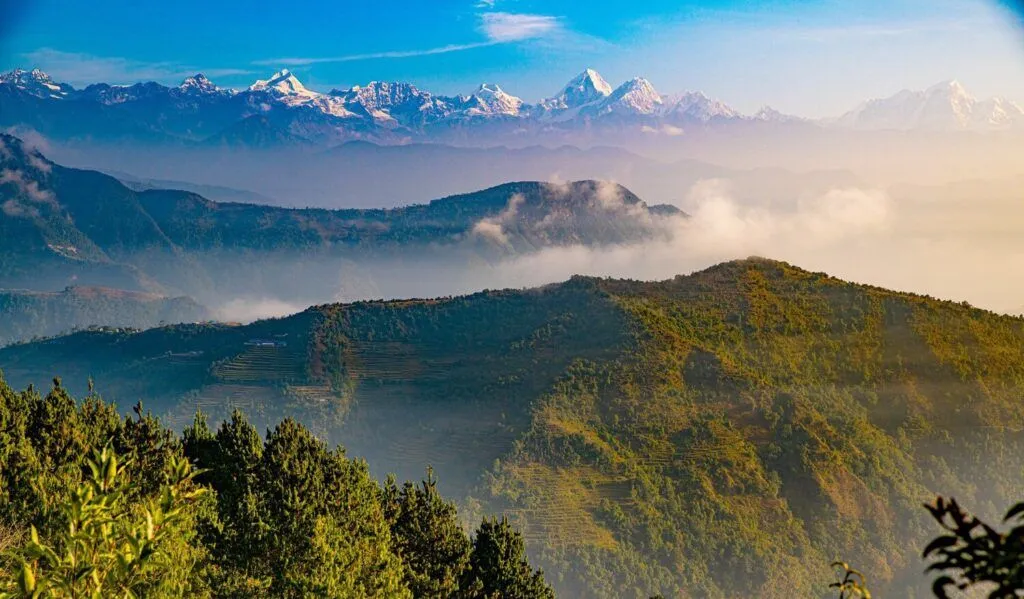
The trail unfolds through lush forests, terraced hills, and panoramic mountain views:
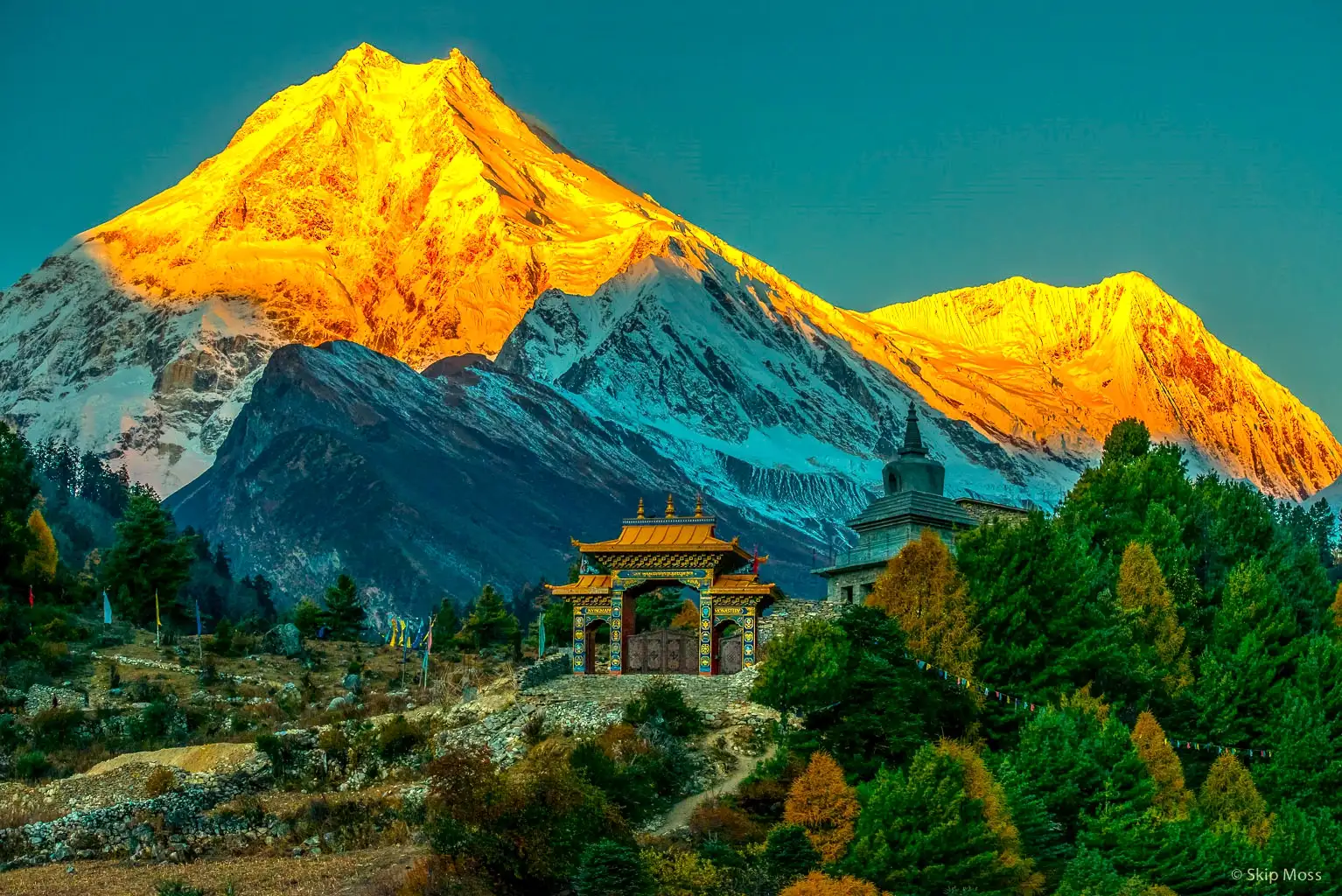
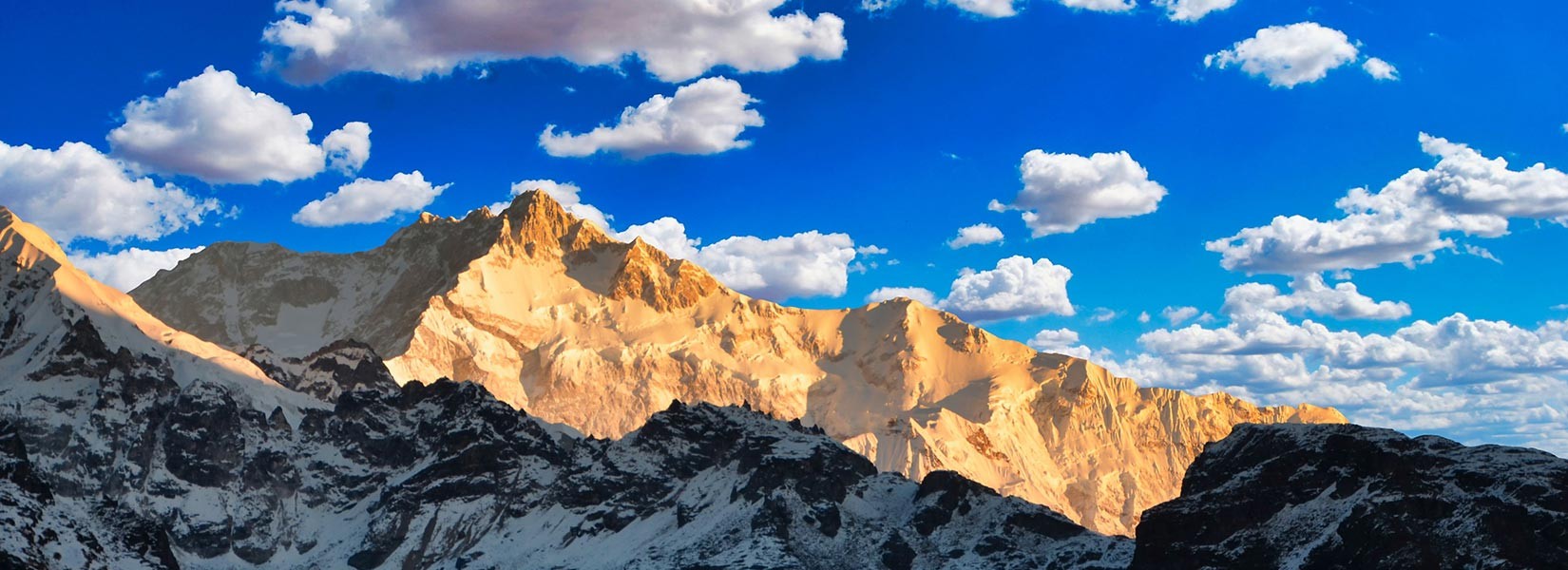
- Stunning vistas of Manaslu, Himalchuli, and Ganesh Himal,
- Peaceful rivers, waterfalls, and rhododendron-filled forests,
- Traditional villages perched on hillsides with terraced farmland,
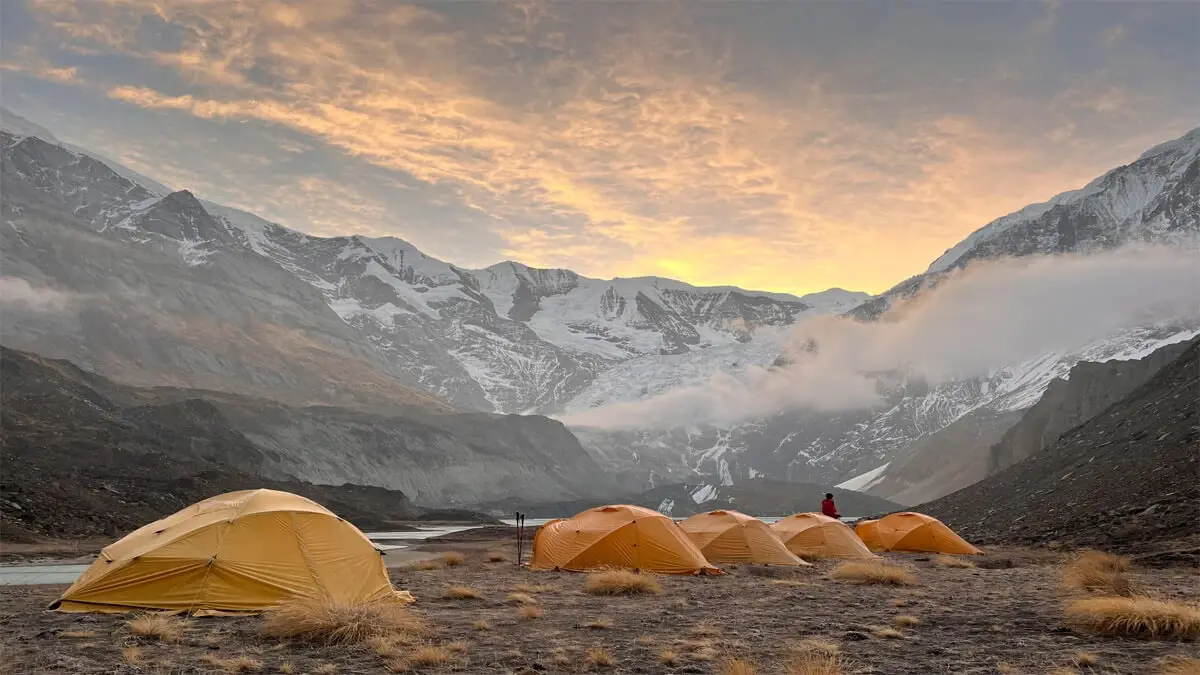
- Scenic viewpoints offering sunrise and sunset over the Himalayan skyline.
The trek combines natural beauty and cultural landscapes in a serene, eco-friendly setting.
Culture and Local Life
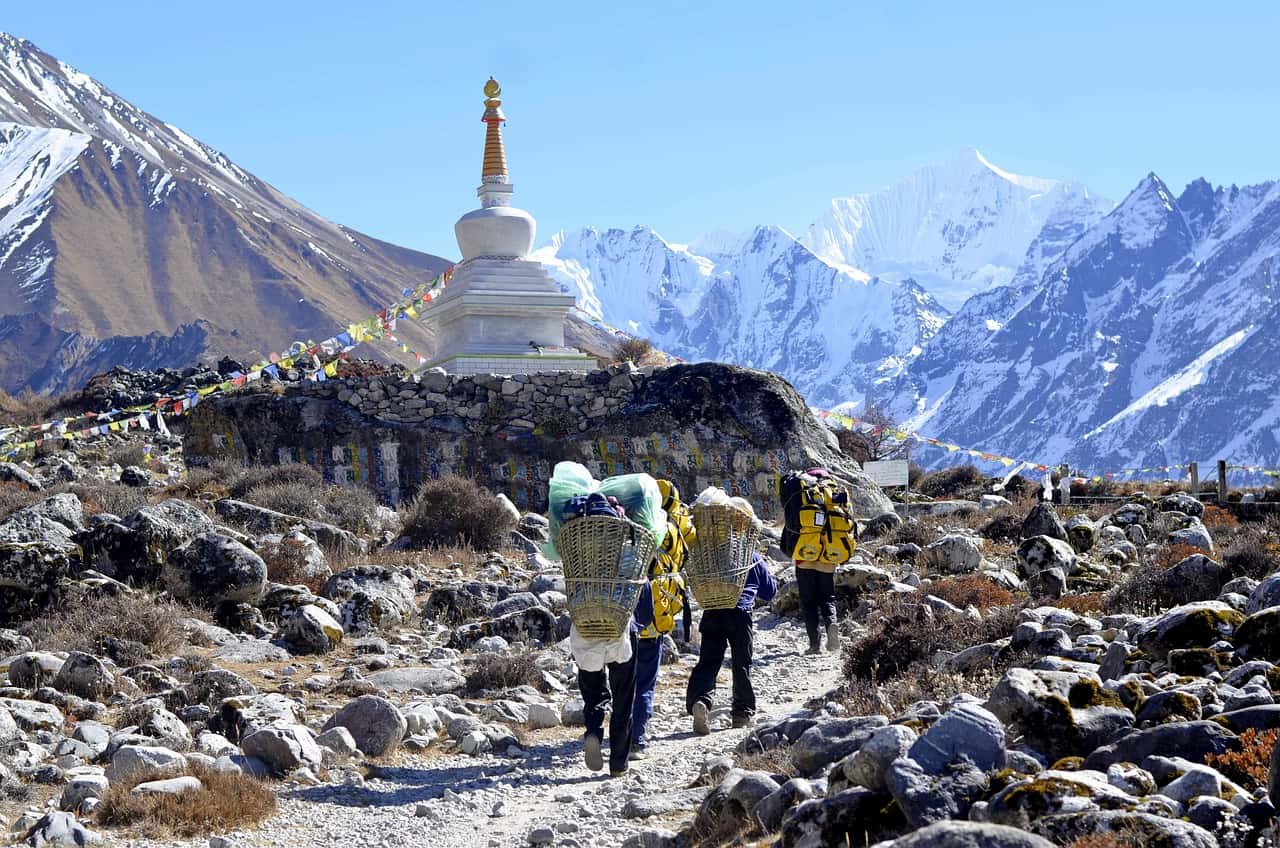
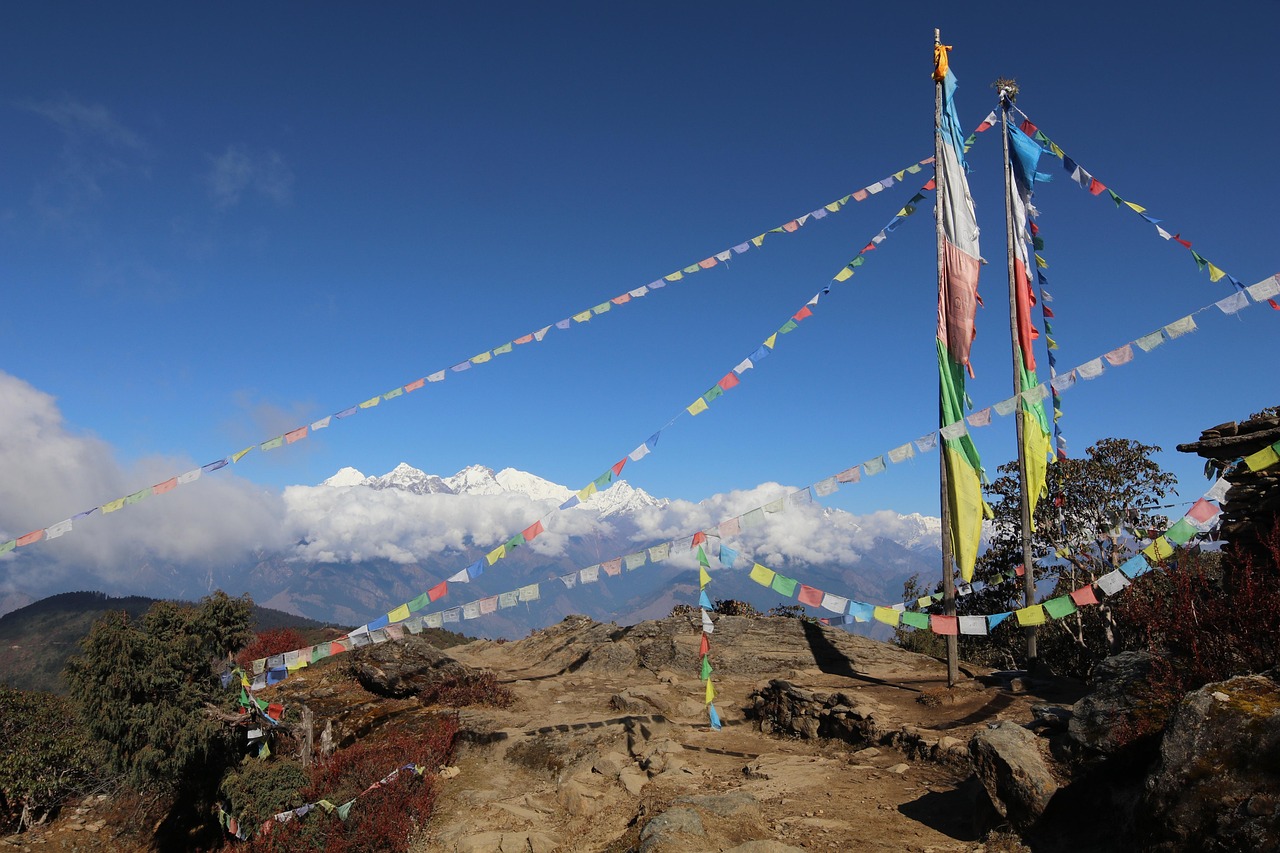
The route passes through Tamang, Gurung, and Buddhist communities, where travelers can experience traditional lifestyles, local cuisine, and spiritual rituals. Mani walls, monasteries, and prayer flags along the trail highlight the region’s deep Buddhist heritage.
Staying in family-run lodges and teahouses allows trekkers to connect with locals and understand their customs, making the journey both cultural and rewarding.
Untouched Wilderness
Lower Manaslu Eco Trail is less traveled, providing solitude and a pristine environment. The trail meanders through forests, terraced hills, and quiet valleys, allowing trekkers to enjoy the sounds of nature and the clean Himalayan air.
Why Lower Manaslu Eco Trail Trek Is Special?
This trek is perfect for those who want a shorter, easier, yet culturally and scenically rich Himalayan experience. Walking amidst forests, rivers, and traditional villages, with views of towering peaks in the distance, offers a true sense of Himalayan tranquility.
For travelers seeking peaceful landscapes, authentic culture, and moderate trekking adventure, the Lower Manaslu Eco Trail Trek is a hidden gem—where nature, tradition, and Himalayan beauty meet in perfect harmony.
Basic Information About Lower Manaslu Eco Trail Trek
1. Location:
The Lower Manaslu Eco Trail Trek is located in western Nepal, in the Manaslu Conservation Area, connecting Soti Khola to Deng and other lower Manaslu villages. This trail is less crowded and focuses on cultural immersion and ecological conservation, passing through traditional Tamang, Gurung, and Buddhist villages, terraced farmland, and lush forests.
2. Altitude:
The trek reaches a maximum altitude of around 2,850–3,000 meters at high villages like Samagaon and Deng. Although lower in elevation compared to the full Manaslu Circuit, trekkers still enjoy panoramic views of Manaslu (8,163 m), Himalchuli, and Ganesh Himal.
3. Trek Duration:
This trek is usually completed in 8–10 days, making it suitable for trekkers who want to experience Manaslu’s culture and natural beauty without undertaking the full high-altitude circuit.
4. Difficulty Level:
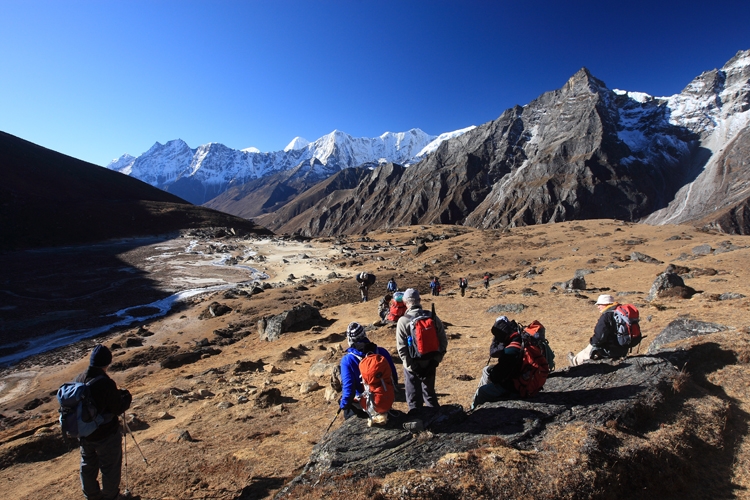
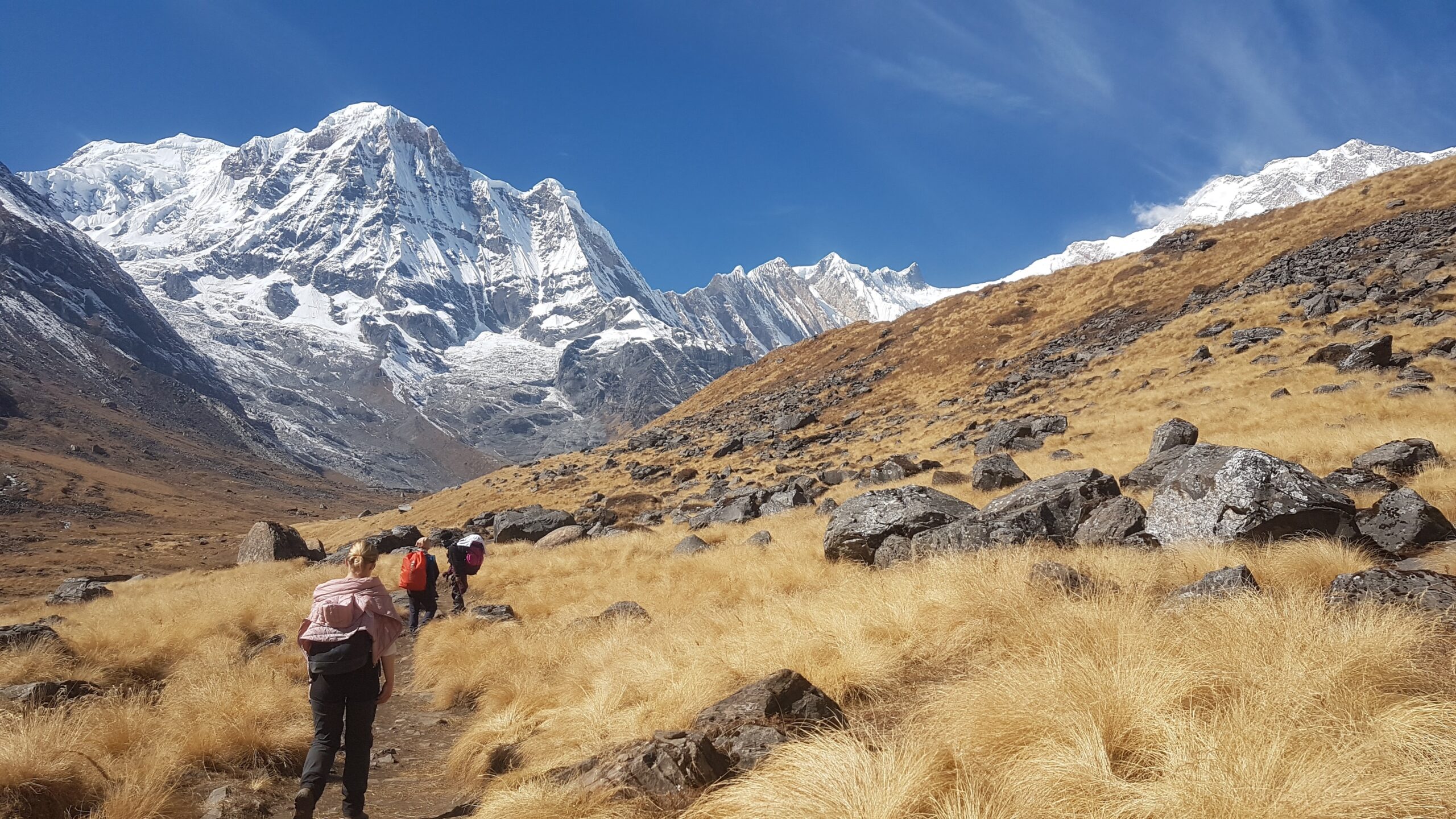
The Lower Manaslu Eco Trail is considered moderate. Trails are well-defined but include long walking days and some steep ascents. Trekkers need a reasonable level of fitness. Trekking poles are recommended, especially for river crossings and hilly sections.
5. Best Seasons:
- Spring (March–May): Warm weather, rhododendron and wildflower bloom, clear mountain views.
- Autumn (September–November): Stable weather, crisp air, and excellent visibility—the most popular trekking season.
- Winter (December–February): Cold, especially at higher villages, but fewer trekkers and clear skies.
- Monsoon/Summer (June–August): Trails are green and scenic but may be slippery with rain and occasional landslides.
6. Accommodation & Food:
Trekkers stay in tea houses and community lodges in the villages along the trail. Facilities are basic but clean, usually with shared bathrooms. Meals include dal bhat, noodles, soups, potatoes, momos, eggs, and tea/coffee. Cash is required as ATMs are unavailable.
7. Permits Required:
Trekkers need:
- Manaslu Restricted Area Permit (RAP)
- Manaslu Conservation Area Permit (MCAP)
- TIMS Card
8. Culture & Spirituality:
The trail passes through ethnic Tamang and Gurung villages, Buddhist monasteries, mani walls, chortens, and prayer flags. Trekkers experience local festivals, traditions, and authentic Himalayan village life, making the trek culturally enriching.
9. Connectivity & Safety:
Mobile network coverage is limited to lower villages, with no service in remote areas. Trekkers should carry:
- Warm clothing and rain gear
- Sufficient water and snacks
- Cash for tea houses and small shops
- Basic first aid and trekking gear
Guides are recommended for safety, local knowledge, and navigating river crossings and village trails.
1. What is the Lower Manaslu Eco Trail Trek?
+
The Lower Manaslu Eco Trail Trek is a cultural and scenic trek in the Manaslu region, designed for trekkers seeking moderate trails, traditional villages, and Himalayan views without tackling the high passes of the main Manaslu Circuit.
2. How long does the trek take?
+
The trek usually takes 7–10 days, depending on the pace and chosen route.
3. Who can do this trek?
+
This trek is suitable for beginners and moderately experienced trekkers, as it involves moderate walking and lower altitudes, making it more accessible than high-altitude treks.
4. When is the best time to trek?
+
Spring (March–May): Clear skies, blooming rhododendrons, and lush landscapes
Autumn (September–November): Stable weather, colorful forests, and crisp mountain views
5. What permits do I need?
+
Manaslu Conservation Area Permit (MCAP)
Restricted Area Permit (RAP)
TIMS Card
6. What type of accommodation is available?
+
Accommodation is mainly in teahouses and local lodges, offering basic rooms and shared bathrooms along the trail.
7. Are meals included?
+
Meals are available at teahouses, featuring Nepali and Tibetan-style cuisine, with breakfast and dinner typically included in organized trekking packages.
8. Is the Lower Manaslu Eco Trail Trek safe?
+
Yes, the trek is generally safe, especially with proper planning, a licensed guide, and awareness of local conditions.
9. Where does the trek start?
+
The trek usually starts from Soti Khola or Arughat, accessible by road from Kathmandu.
10. What makes the Lower Manaslu Eco Trail Trek special?
+
The trek is special for its cultural immersion, scenic Himalayan views, remote villages, and peaceful trekking experience, offering a less crowded alternative to the high-altitude Manaslu Circuit.