Manaslu Tsum Valley Trek: Remote Wilderness and Sacred Himalayan Culture
The Manaslu Tsum Valley Trek is a journey into one of Nepal’s most remote, culturally rich, and pristine regions. Nestled in the northern part of the Manaslu region, the Tsum Valley is a hidden Himalayan sanctuary, offering untouched landscapes, sacred Buddhist heritage, and traditional Tibetan-influenced villages.
The Beauty of the Trek
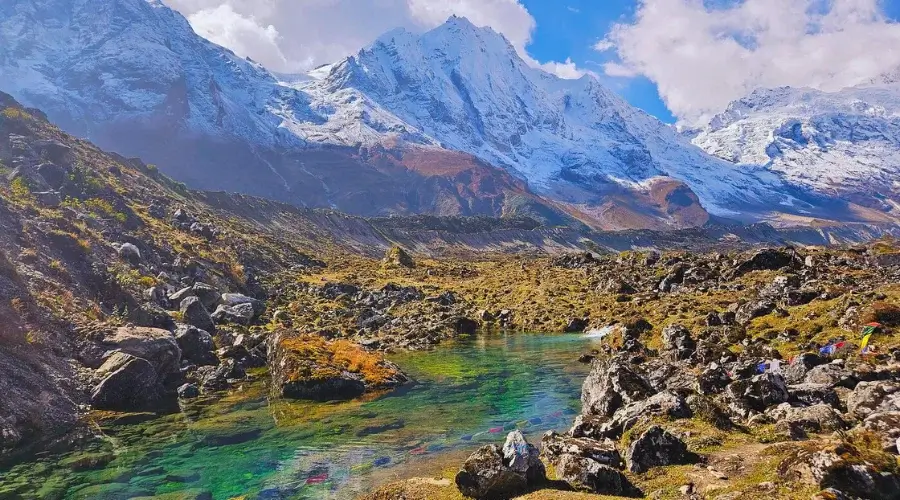
From lush lower valleys to alpine highlands, the trek offers stunning Himalayan scenery:
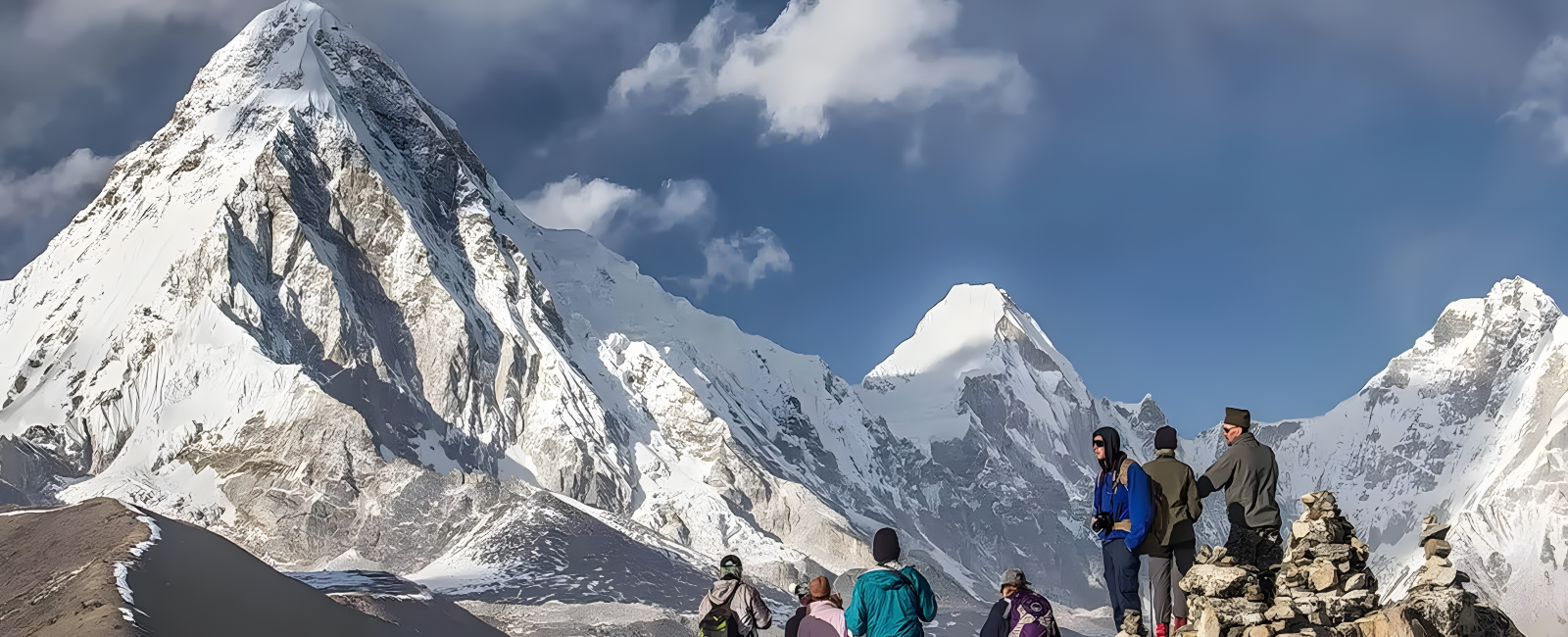
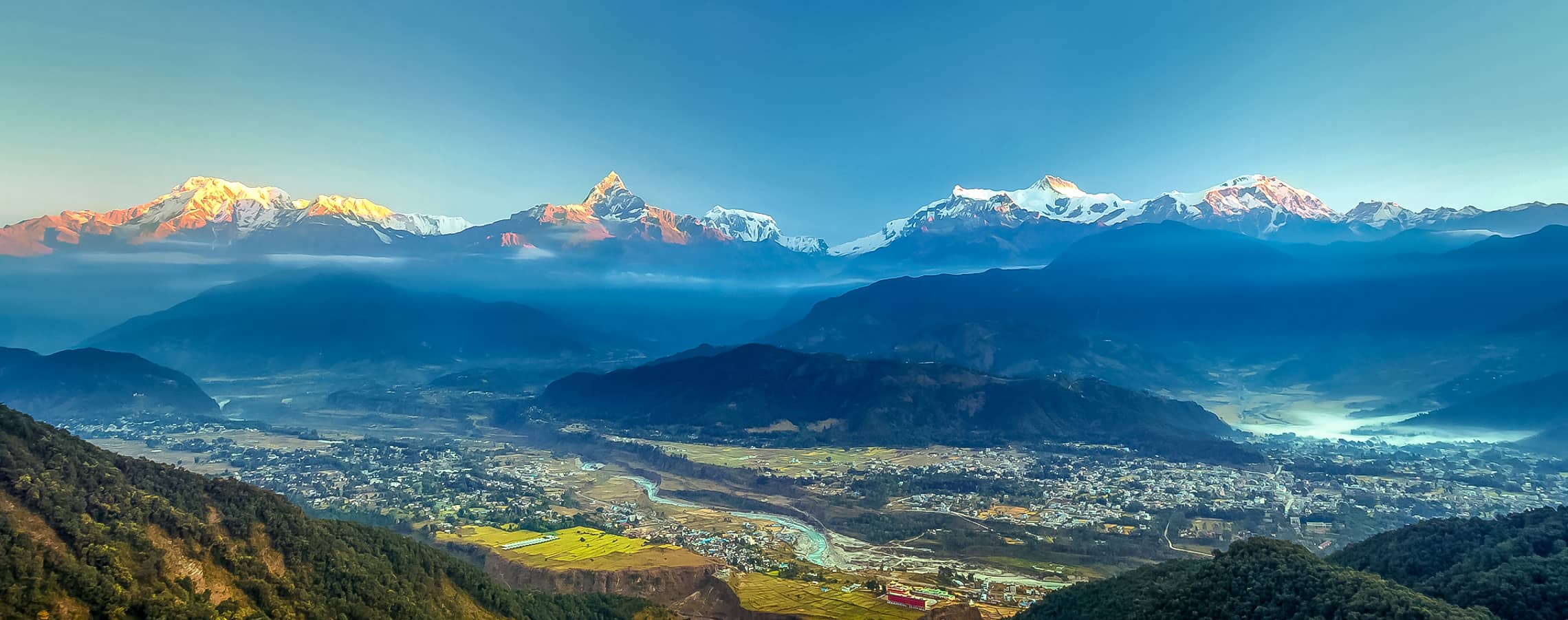
- Towering peaks including Manaslu (8,163m), Himalchuli, and Ganesh Himal,
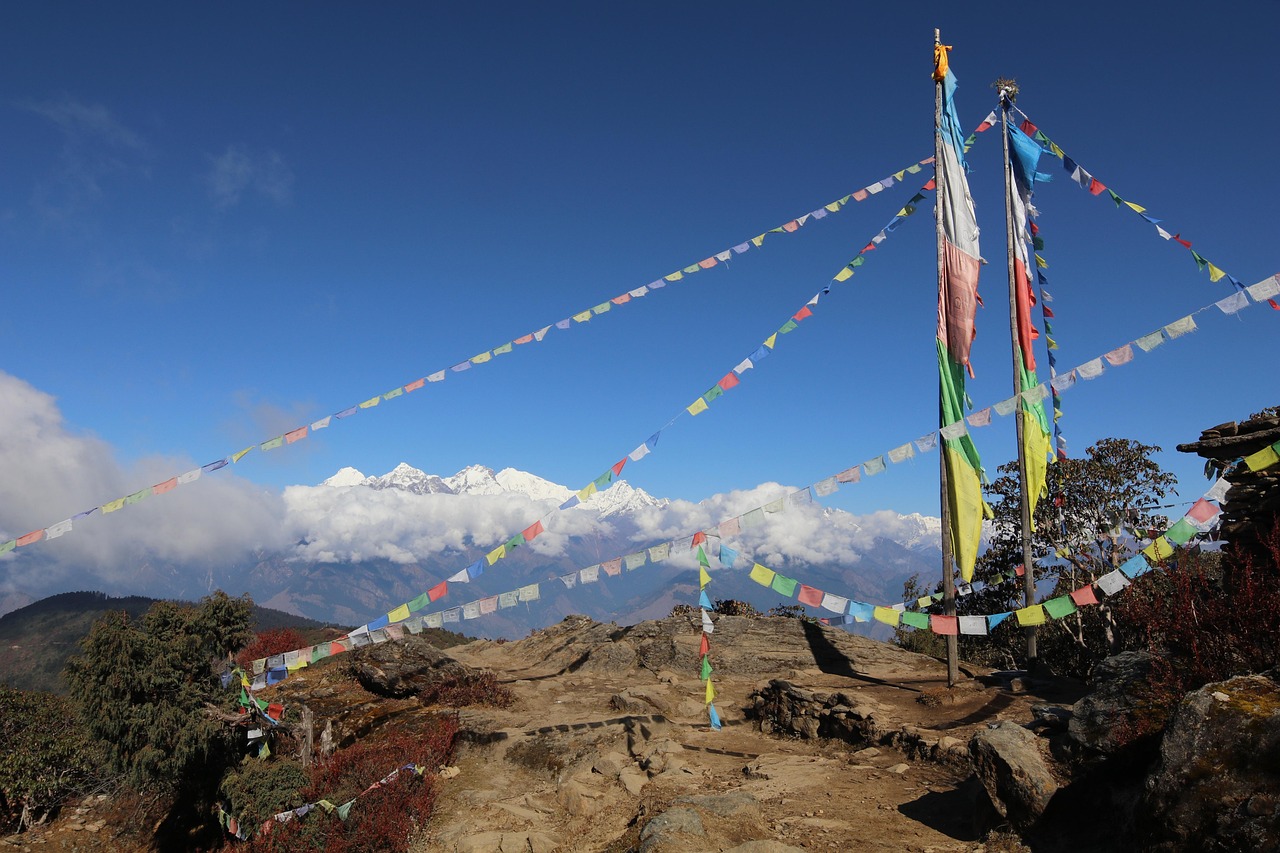
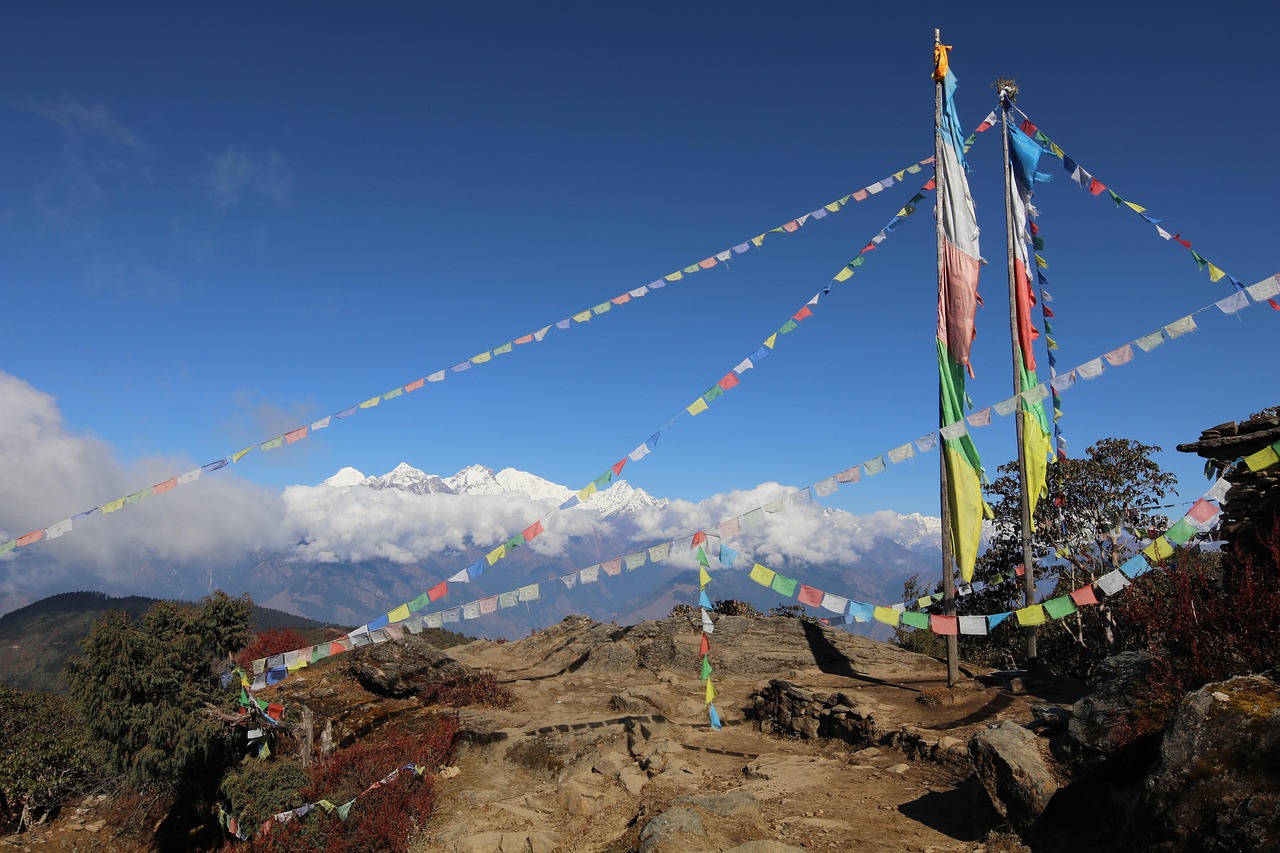
- Sacred monasteries, mani walls, and prayer-flag-adorned villages,
- Dense forests of rhododendron, bamboo, and pine, giving way to alpine meadows,
- Crystal-clear streams, terraced farmland, and panoramic ridgelines connecting the valley to surrounding peaks.
Every step through the valley reveals pristine wilderness and breathtaking views, making it a trek that feels both adventurous and spiritual.
Culture and Spiritual Heritage
The Tsum Valley is home to ethnically Tibetan communities, where centuries-old Buddhist traditions thrive. Highlights include:
- Ancient monasteries and meditation caves,
- Mani walls and chortens lining the paths,
- Festivals, rituals, and local hospitality that give trekkers a window into timeless Himalayan culture.
The valley is often called a “living museum of Tibetan Buddhism”, offering a spiritual journey alongside the physical trek.
Untouched Himalayan Wilderness
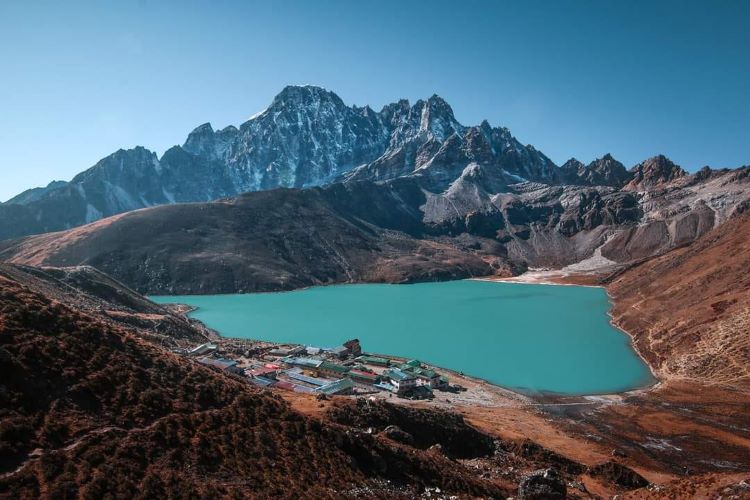
Tsum Valley is remote and less-visited, providing solitude and tranquility. Wildlife sightings, alpine pastures, and quiet villages allow trekkers to connect deeply with nature while experiencing the Himalayan landscape in its purest form.
Why the Manaslu Tsum Valley Trek Is Special?
This trek is ideal for those seeking remote adventure, spiritual immersion, and Himalayan majesty. Walking through sacred villages, standing beneath towering peaks, and witnessing centuries-old traditions, trekkers experience a rare sense of peace and authenticity.
For adventurers looking to explore one of Nepal’s last untouched regions, the Manaslu Tsum Valley Trek offers a once-in-a-lifetime Himalayan experience—where culture, wilderness, and mountain beauty meet in perfect harmony.
Basic Information About Manaslu Tsum Valley Trek
1. Location:
The Manaslu Tsum Valley Trek is situated in the Manaslu Conservation Area of western Nepal. Nestled near the Tibetan border, this trek combines the remote Tsum Valley with the classic Manaslu trail, offering dramatic mountain scenery, deep gorges, suspension bridges, and ancient Buddhist heritage sites. It is one of the most culturally rich and off-the-beaten-path Himalayan treks in Nepal.
2. Altitude:
The trek reaches elevations of around 4,000 meters in Tsum Valley, with key points such as Mu Gompa at 3,700 meters and Nile at 3,360 meters. Depending on the itinerary, trekkers may continue toward higher sections of Manaslu, including Lho and Samagaon, enjoying panoramic views of Manaslu, Himalchuli, Ganesh Himal, and surrounding peaks.
3. Trek Duration:
The trek typically takes 18–22 days, depending on whether trekkers complete both the Tsum Valley and the higher Manaslu sections. This allows ample time for cultural exploration, acclimatization, and enjoying the remote Himalayan landscapes.
4. Difficulty Level:
The trek is considered moderate to challenging. Trails include long walking days, steep ascents, and remote paths with basic facilities. A reasonable level of fitness and some trekking experience are recommended. Trekking poles and proper footwear are advised for comfort and safety.
5. Best Seasons:
- Spring (March–May) offers pleasant temperatures, blooming rhododendrons, and clear mountain views.
- Autumn (September–November) provides stable weather, crisp air, and excellent visibility, making it the most popular trekking season.
- Winter (December–February) is very cold with snow at higher elevations but offers peaceful trails and clear skies.
- Monsoon (June–August) brings lush green landscapes but can make trails slippery, and rainfall may limit visibility.
6. Accommodation & Food:
Along the route, trekkers stay in basic teahouses and lodges. Facilities are simple, with shared rooms and bathrooms, limited hot water, and basic bedding. Meals typically include dal bhat (rice and lentils), noodles, soups, Tibetan bread, potatoes, eggs, and tea or coffee. Food variety decreases at higher elevations due to the remoteness of the area.
7. Permits Required:
Trekkers need several permits, including the Manaslu Restricted Area Permit, Tsum Valley Restricted Area Permit, Manaslu Conservation Area Permit, and a TIMS Card. Traveling with a registered trekking guide is mandatory for this route.
8. Culture & Spirituality:
Tsum Valley is a culturally preserved region with strong Tibetan Buddhist influence. Trekkers encounter monasteries and gompas such as Mu Gompa and Rachen Gompa, mani walls, chortens, prayer flags, Tibetan-speaking communities, and yak-herding villages. The trek offers deep cultural immersion into Himalayan traditions and spirituality.
9. Connectivity & Safety:
Mobile network coverage is limited in lower villages and often unavailable in higher sections. Trekkers are advised to carry proper clothing, water purification tablets, basic first aid, cash, and an emergency communication device. Professional guides and porters help ensure safety and support in this remote area.
1. What is the Manaslu Tsum Valley Trek?
+
The Manaslu Tsum Valley Trek combines the remote Buddhist settlements of Tsum Valley with the classic Manaslu Circuit, offering Himalayan landscapes, ancient monasteries, sacred caves, and rich Tibetan-influenced culture.
2. How long does the trek take?
+
The trek generally takes 18–22 days, depending on itinerary, acclimatization needs, and side trips.
3. Who can do this trek?
+
Physically fit trekkers with previous high-altitude experience are ideal. The trail is demanding, so beginners may find it challenging.
4. When is the best time to trek?
+
The best seasons are Spring (March–May) and Autumn (September–November) for clear weather, stable conditions, and great mountain views.
5. What permits do I need?
+
You will need the Manaslu Restricted Area Permit, Tsum Valley Restricted Area Permit, Manaslu Conservation Area Permit (MCAP), and Annapurna Conservation Area Permit (ACAP). A licensed guide is mandatory.
6. What type of accommodation is available?
+
Accommodation is in local teahouses offering basic rooms with shared facilities. Facilities get more basic deeper into the Tsum region.
7. Are meals included?
+
Meals are typically available at teahouses. Standard trekking meals include dal bhat, pasta, noodles, bread, soups, and tea.
8. Is the Manaslu Tsum Valley Trek safe?
+
Yes, it’s safe with proper preparation and a certified guide. Trails are remote but well-established. Normal high-altitude precautions apply.
9. Where does the Manaslu Tsum Valley Trek start?
+
The trek usually starts with a drive from Kathmandu to Machha Khola or Soti Khola.
10. Can I hire a porter?
+
Yes, hiring licensed guides and porters is recommended for safety and to support local communities. Porter hiring is mandatory due to restricted area rules.
11. What makes the Manaslu Tsum Valley Trek special?
+
This trek is special for its blend of remote Himalayan wilderness, Tibetan Buddhist heritage, ancient monasteries, sacred caves of Milarepa, dramatic canyons, and stunning peaks like Manaslu. The restricted status keeps it relatively untouched and crowd-free.