Annapurna Seven Passes Trek: The Ultimate Himalayan Adventure
Winding through the heart of the Annapurna region, the Annapurna Seven Passes Trek (4,700–5,400m) is a challenging yet unforgettable journey that traverses seven high mountain passes, offering trekkers a rare combination of adventure, culture, and panoramic Himalayan landscapes. Known for its rugged beauty and diverse terrain, this trek is perfect for those seeking a complete Annapurna experience.
The Beauty of the Trek
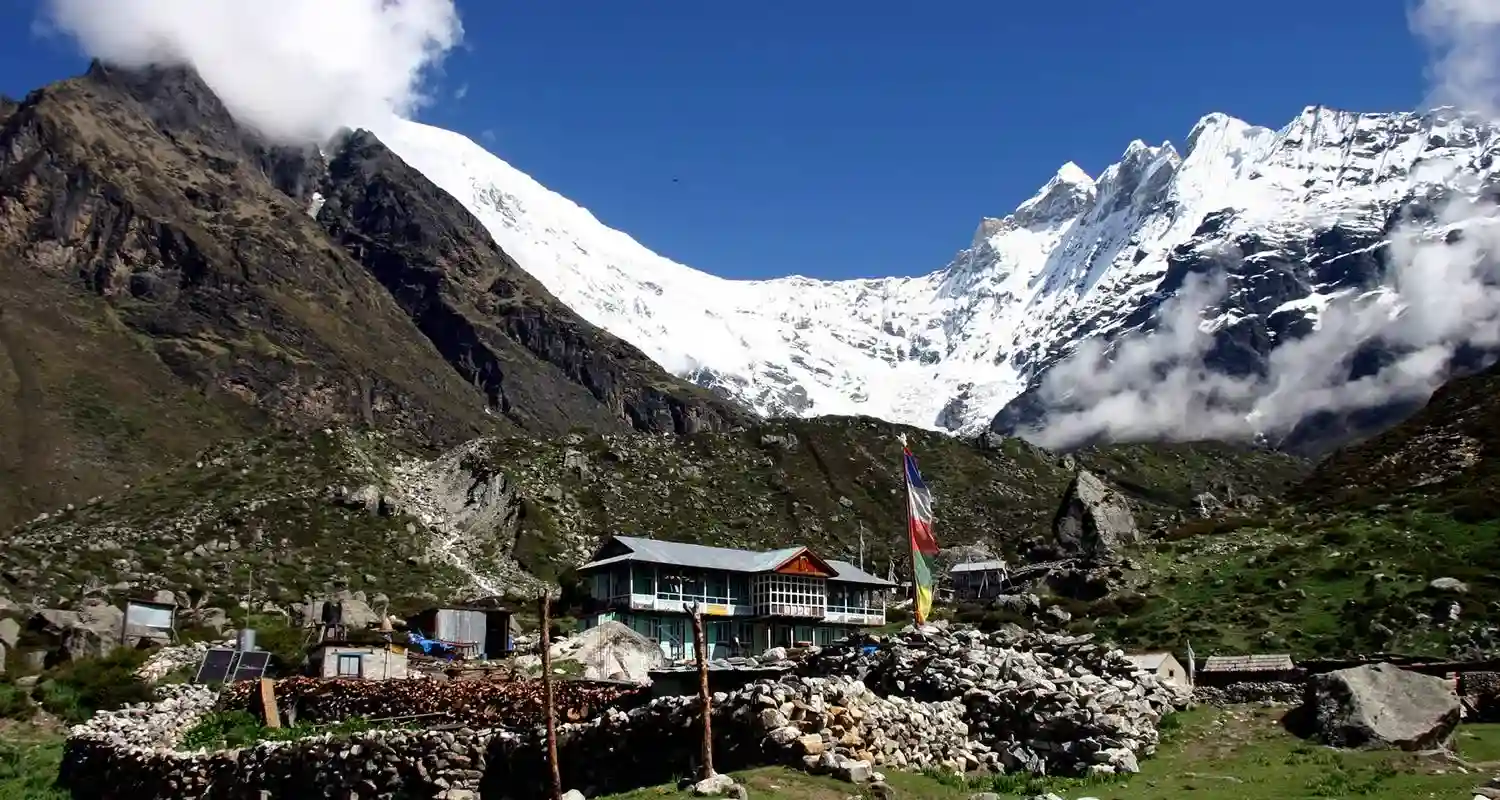
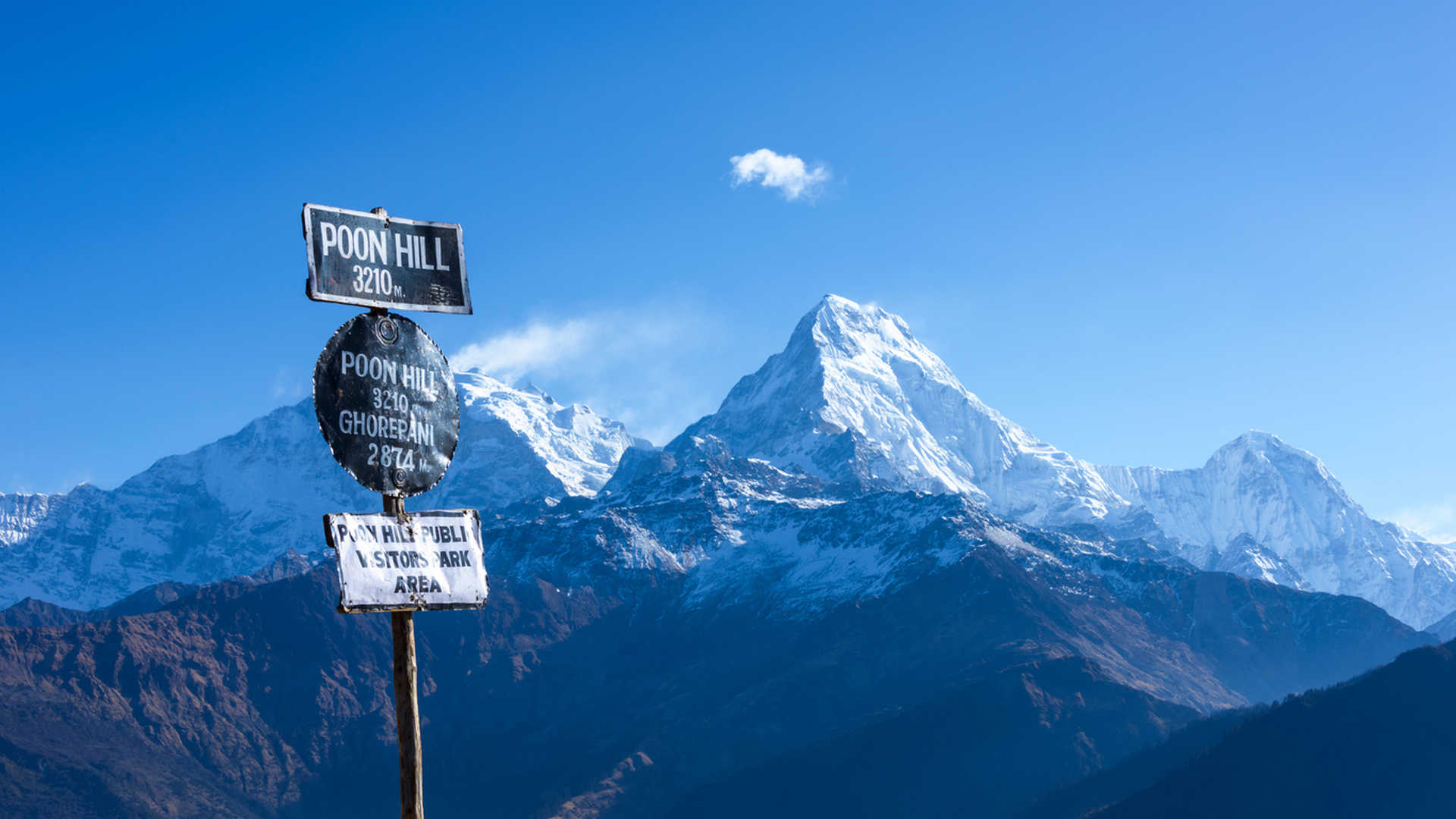
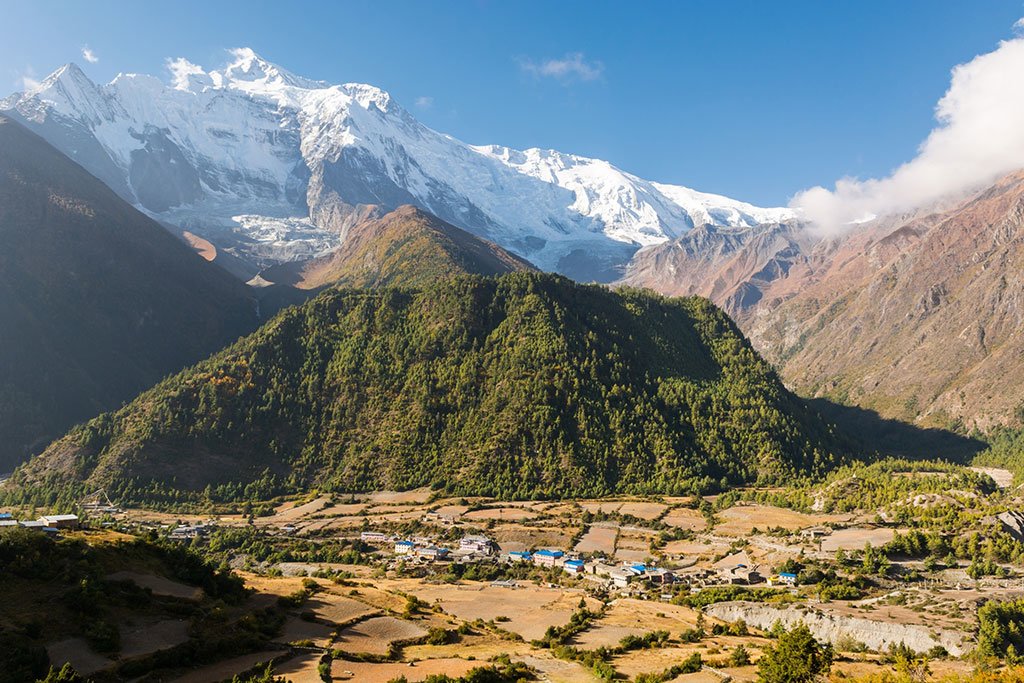
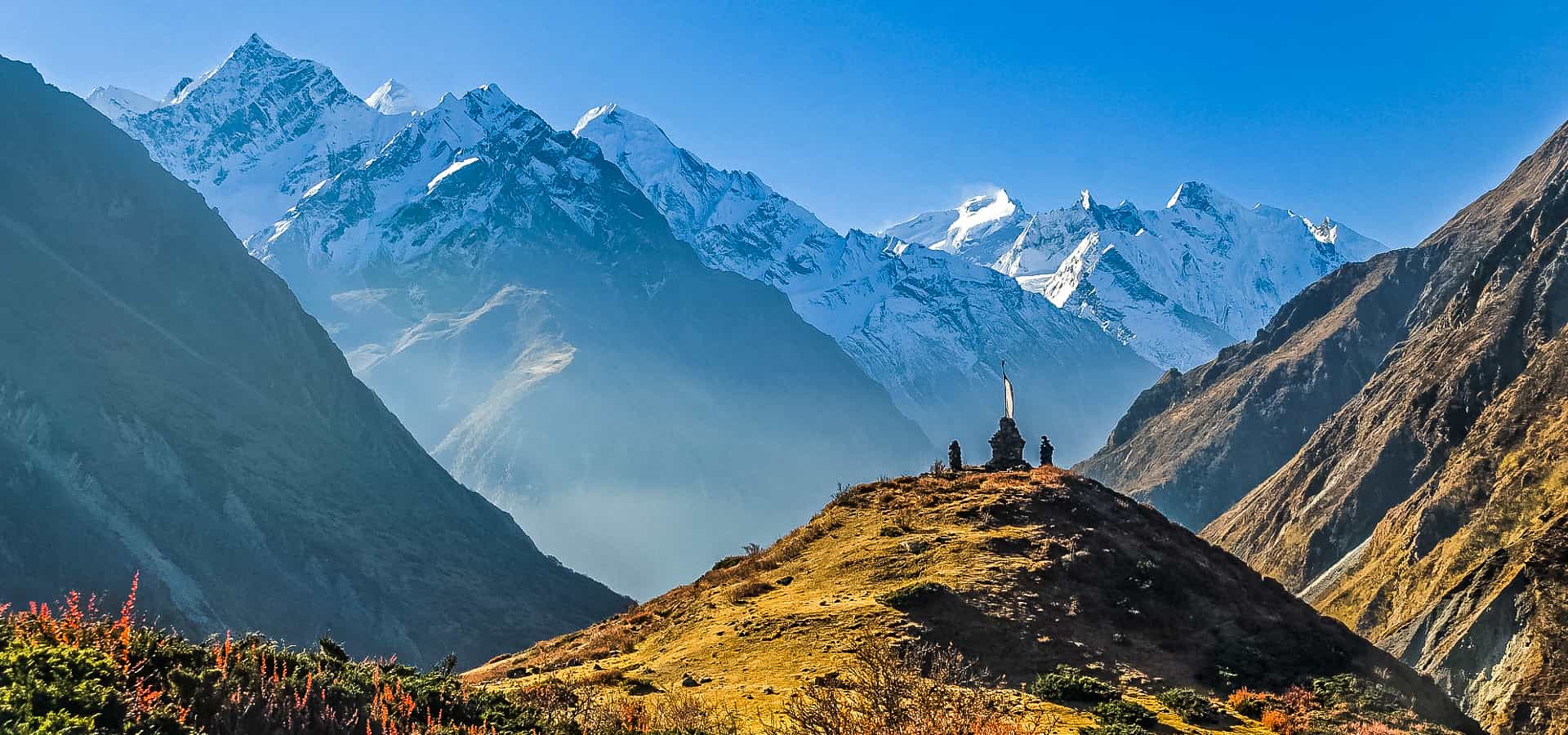
From verdant valleys to stark alpine ridges, the Seven Passes Trek showcases breathtaking Himalayan vistas. Along the way, trekkers can witness:
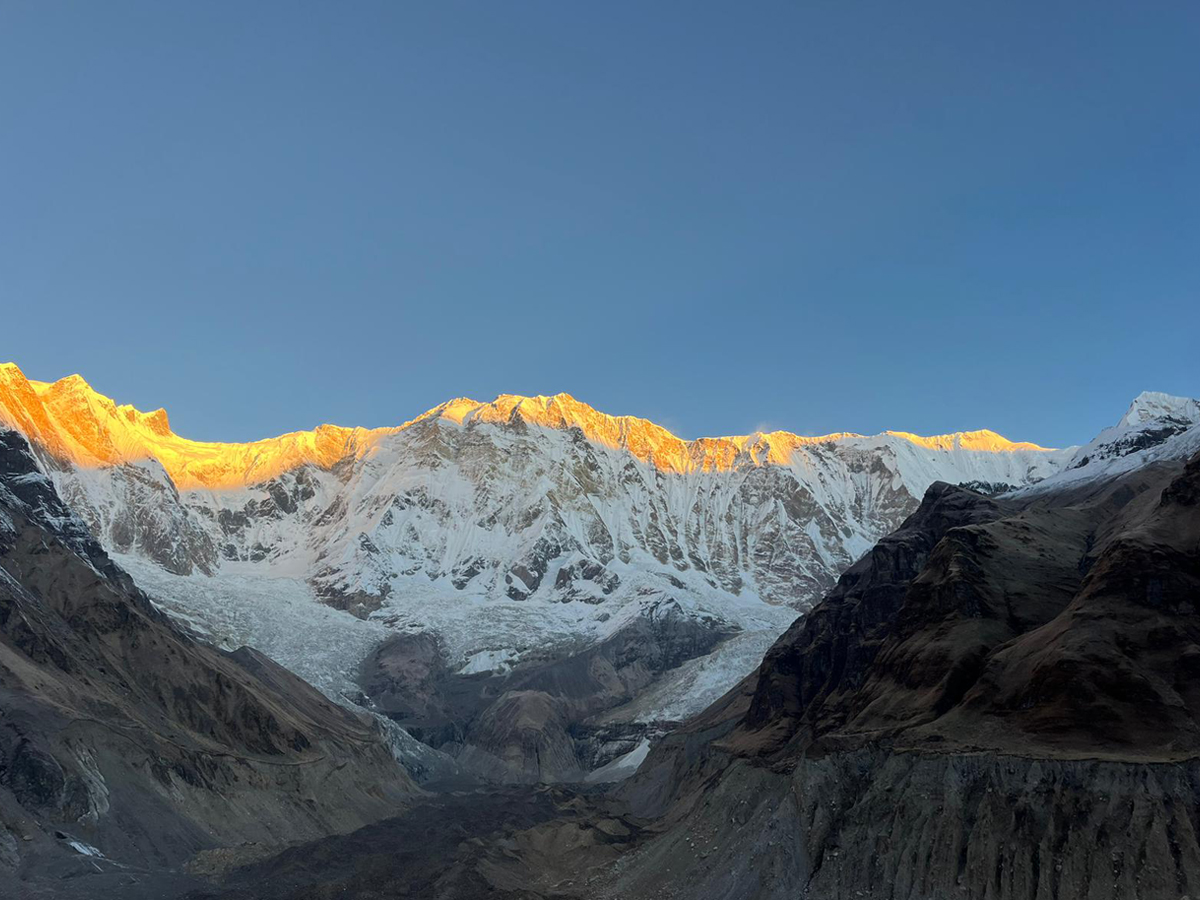
- Annapurna I, II, III, IV majestically rising above the trail,
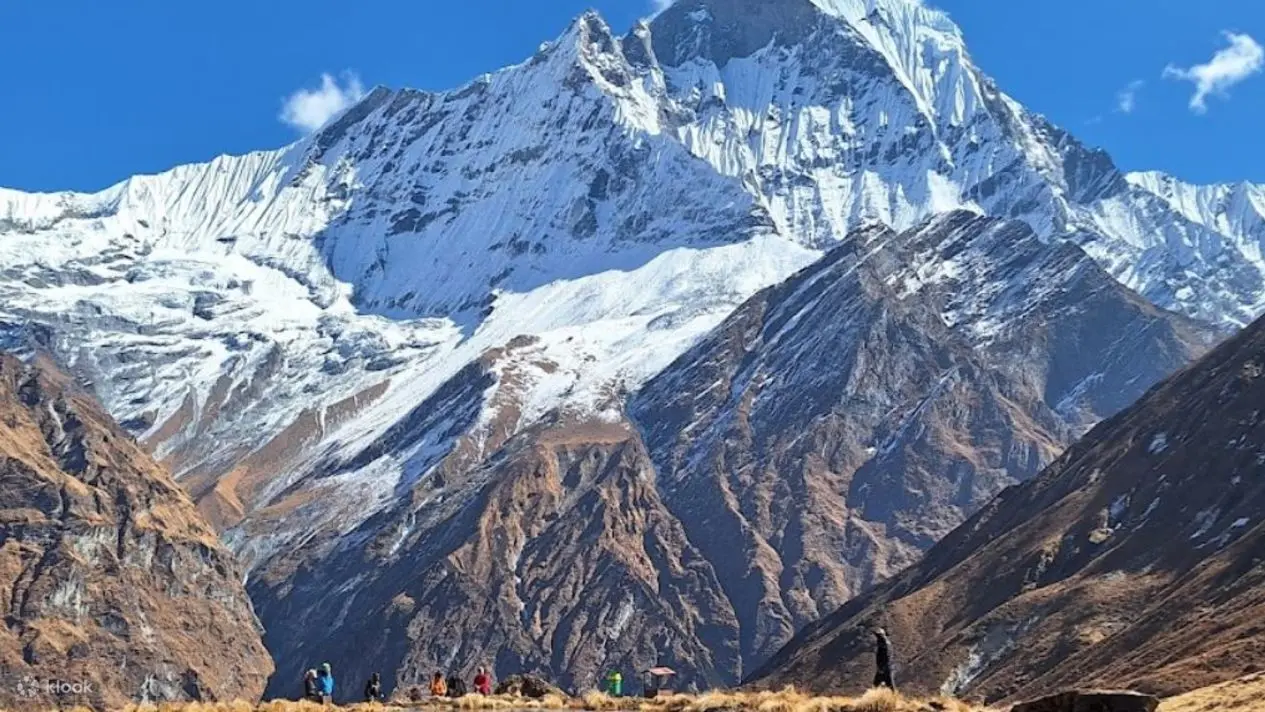
- Dhaulagiri and Machapuchare (Fishtail) creating dramatic horizons,
- High alpine meadows and glacial valleys,
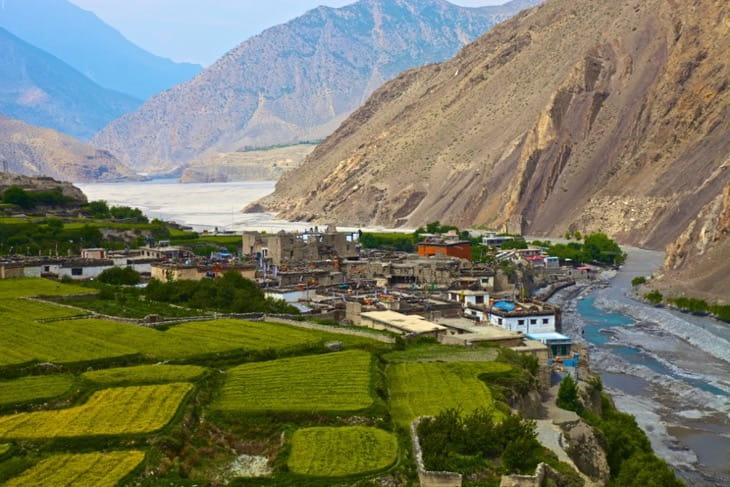
- Traditional villages inhabited by Gurung, Thakali, and Manangi communities.
Each pass offers a unique perspective of the mountains, with snow-capped peaks reflecting the sun’s golden rays at dawn and dusk, making every step a feast for the eyes.
A Cultural and Spiritual Journey
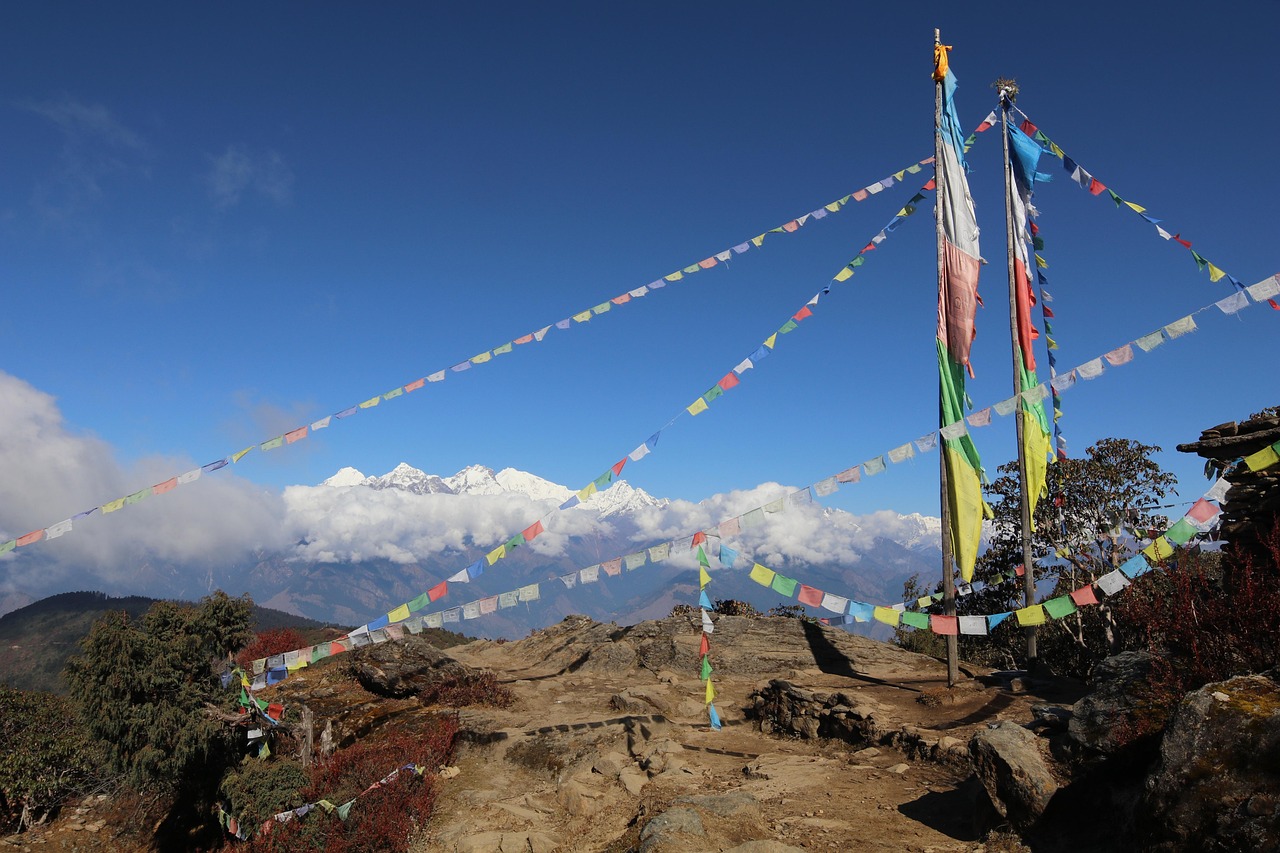
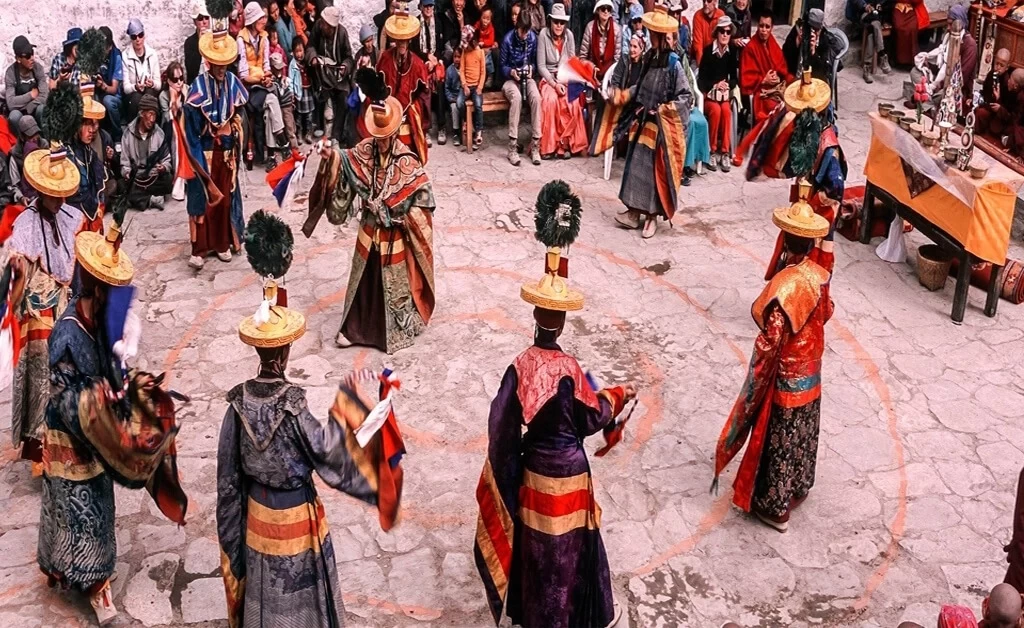
The trail passes through remote villages where ancient traditions are alive. Trekkers are welcomed with warm hospitality, local cuisine, and glimpses of centuries-old lifestyles. Along the route, prayer flags flutter in the wind, chortens mark sacred spots, and monasteries remind travelers of the spiritual connection the local people maintain with these mountains.
Untouched Wilderness
Unlike more frequented trails, the Seven Passes Trek offers pristine Himalayan wilderness. Trekkers pass through rhododendron forests, terraced fields, alpine pastures, and high desert-like landscapes above 4,500 meters. The journey spans multiple climatic zones, offering vibrant spring blooms, clear autumn skies, and serene snow-covered passes in winter.
Why the Seven Passes Trek is Special?
The Annapurna Seven Passes Trek is considered one of Nepal’s most demanding and rewarding treks. It combines high-altitude adventure with cultural richness and some of the most spectacular views in the Annapurna region. Crossing seven major passes, you experience the full diversity of the Himalayas—from green valleys and ancient villages to snowfields and panoramic summits.
For anyone seeking a challenging yet life-changing Himalayan adventure, the Annapurna Seven Passes Trek delivers an unmatched experience. Every step along its remote trails feels like entering a timeless world, where nature, culture, and adventure exist in perfect harmony.
Basic Information About Annapurna Seven Passes Trek
1.Location:
The Annapurna Seven Passes Trek is located in the Annapurna region of Nepal. This trek offers a comprehensive Himalayan adventure, taking trekkers through seven high mountain passes. The trail passes through diverse landscapes including subtropical forests, alpine meadows, high-altitude deserts, glacial valleys, and remote villages, providing a rich mix of natural beauty and cultural experiences.
2.Altitude:
The trek reaches its highest point at Thorong La Pass (5,416 meters), with other passes also crossing elevations above 5,000 meters. From these high vantage points, trekkers can enjoy breathtaking panoramic views of Annapurna I, Dhaulagiri, Machhapuchhre (Fishtail), Tilicho Peak, Nilgiri, Hiunchuli, and surrounding Himalayan peaks.
3.Trek Duration:
The Annapurna Seven Passes Trek usually takes 18–21 days, depending on the chosen route, acclimatization, and side trips. This makes it one of the most challenging and rewarding treks in the Annapurna region.
4.Difficulty Level:This trek is considered challenging due to the high altitudes, long walking days, steep ascents and descents, and remote terrain. A good level of physical fitness, prior trekking experience, and proper acclimatization are highly recommended.
5.Best Seasons:
- Spring (March–May): Clear skies, blooming rhododendrons, and moderate temperatures make trekking comfortable.
- Autumn (September–November): Stable weather, excellent visibility, and crisp air offer ideal trekking conditions.
- Winter (December–February): Extremely cold at higher altitudes; snow can make some passes difficult.
- Monsoon (June–August): Trails may be slippery, and there is a risk of landslides; not recommended.
6.Accommodation & Food:
Accommodation is primarily in teahouses and lodges along the trail. Facilities are basic but comfortable, often with shared bathrooms. Meals generally include dal bhat, noodles, soups, momos, eggs, and tea or coffee.
7.Permits Required:
Trekkers must obtain the Annapurna Conservation Area Permit (ACAP) and a TIMS (Trekkers’ Information Management System) Card to complete the trek legally.
8.Culture & Spirituality:
The trek passes through villages inhabited by Gurung, Thakali, and Tibetan-influenced communities. Along the trail, trekkers encounter monasteries, prayer flags, chortens, and traditional festivals, providing a rich cultural and spiritual experience in addition to stunning natural scenery.
9.Connectivity & Safety:
Mobile network coverage is limited in remote areas along the trek. Trekkers are advised to carry adequate warm clothing, sun protection, water, snacks, and a first aid kit. Proper acclimatization is essential to prevent altitude sickness and ensure a safe and enjoyable trekking experience.
Q1. Can I do the trek without a guide?
+
While possible, it is strongly recommended to hire a guide for safety, navigation, and local knowledge, as the trek is remote and challenging.
Q2. What are the seven passes in the Annapurna region?
+
The seven passes are Thorang La, Kongma La, Kang La, Pisang La, Humdi La, Muldai La, and Chyoko La, depending on the exact route, connecting different valleys and high-altitude trails.
Q3. Can I charge my electronic devices during the trek?
+
Yes, electricity is available at most teahouses for a small fee, but carry a power bank for sections without electricity.
Q4. Is credit or debit card accepted along the route?
+
No, cash is required as most villages and teahouses do not accept cards. Carry enough Nepalese rupees for your trek.
Q5. How do I manage drinking water during the trek?
+
Safe drinking water is available at teahouses, but it’s best to carry a reusable bottle and use purification tablets or filters, especially in remote areas.
Q6. Is it safe to do the trek alone as a woman?
+
The trek is remote and challenging, so it is safer to go with a guide or group, especially for solo female trekkers, for security and support.
Q7. Is there internet available during the trek?
+
Limited Wi-Fi is available at some teahouses, but connectivity is slow and unreliable in high-altitude and remote locations.
Q8. What is the luggage limit for porters?
+
Porters can typically carry 20–25 kg of luggage comfortably. Extra weight may require additional porters or adjustment of personal items.
Q9. Can I get vegetarian food during the trek?
+
Yes, vegetarian meals are widely available at teahouses, including rice, noodles, lentils, soups, and vegetable dishes.
Q10. Is it possible to customize the trek?
+
Yes, itineraries can be tailored based on duration, starting and ending points, daily pace, and side treks, depending on your preferences and fitness level.