Upper Dolpo Trek: The Remote Roof of Nepal
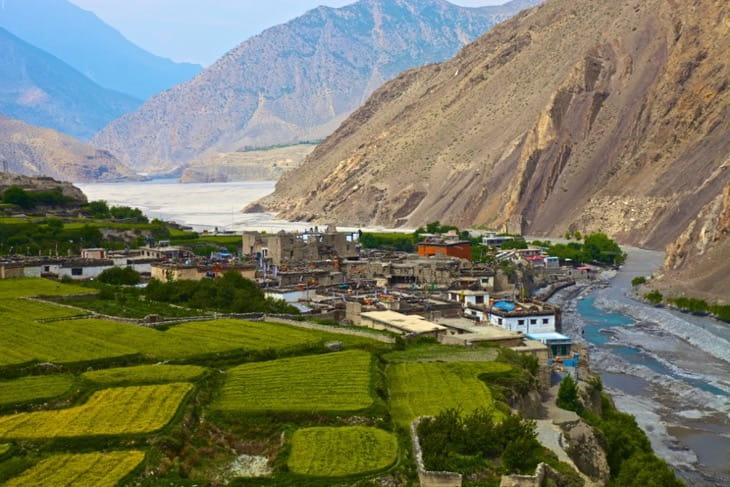
The Upper Dolpo Trek is one of Nepal’s most remote, mystical, and culturally rich treks, taking adventurers deep into the trans-Himalayan highlands. Nestled behind the Dhaulagiri and Kanjiroba ranges, Upper Dolpo offers vast high-altitude deserts, ancient monasteries, and isolated Tibetan-influenced villages, giving trekkers a sense of stepping into another time and world.
The Beauty of Upper Dolpo
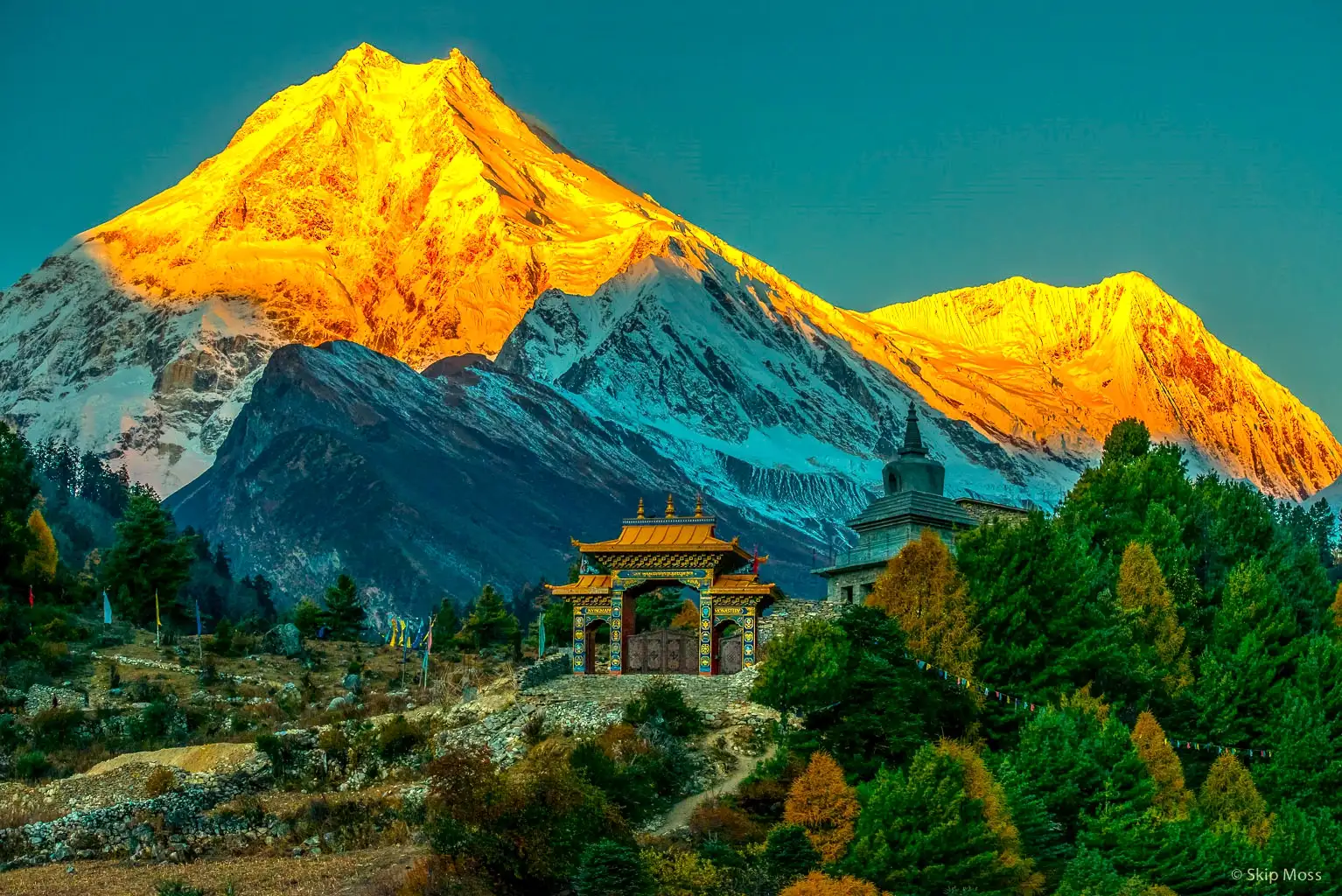
The landscapes of Upper Dolpo are dramatic and awe-inspiring:
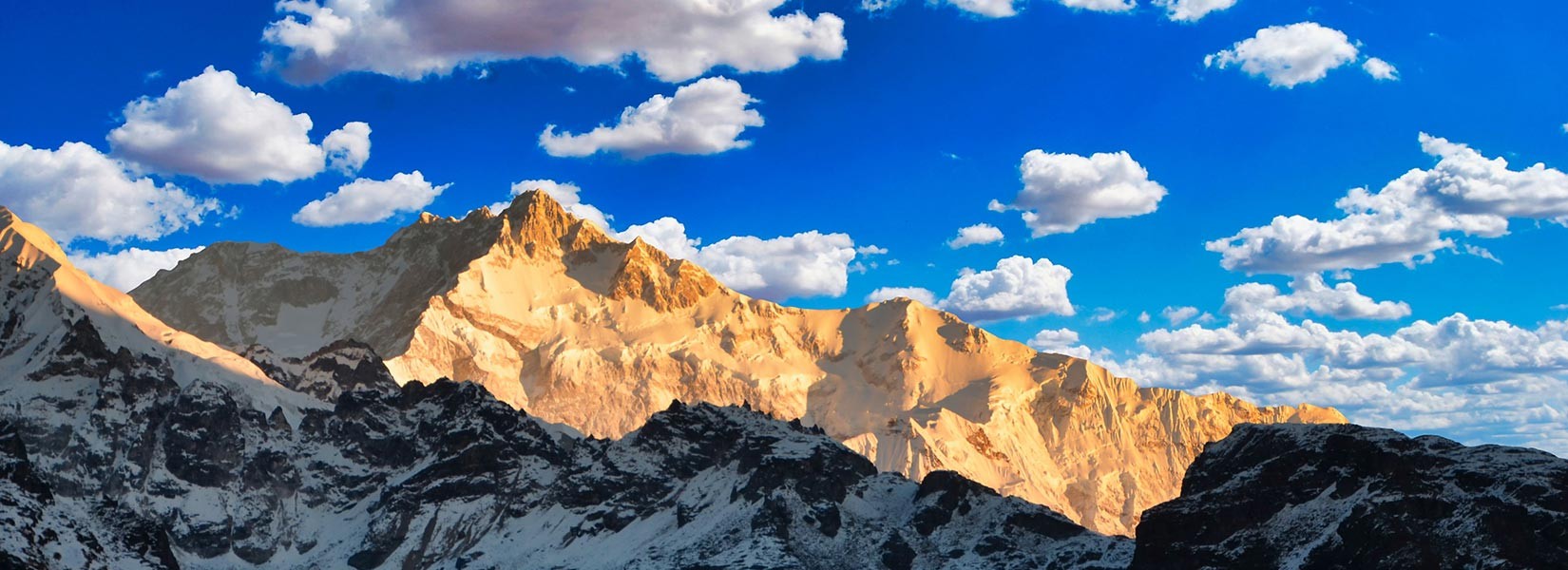
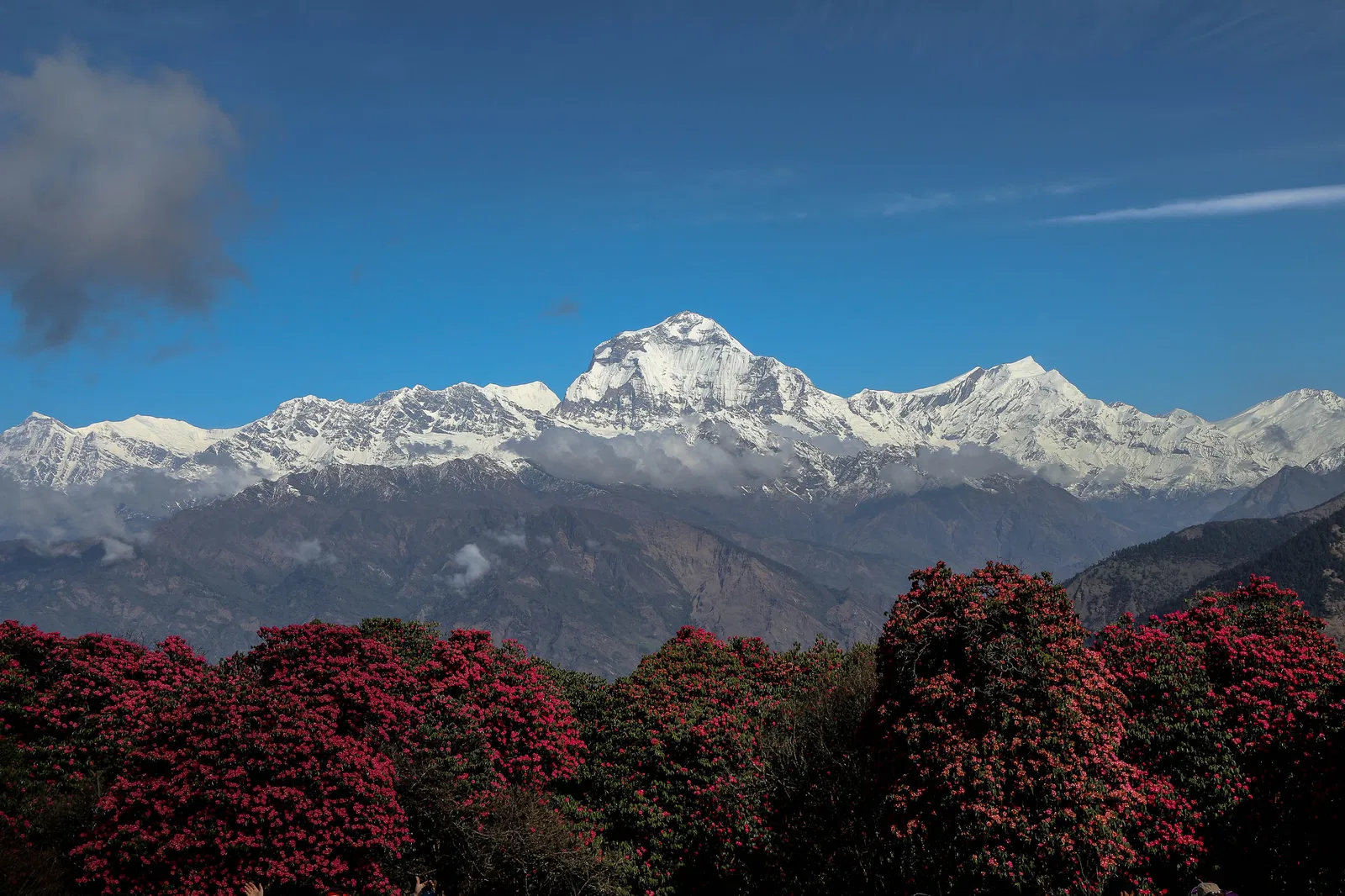
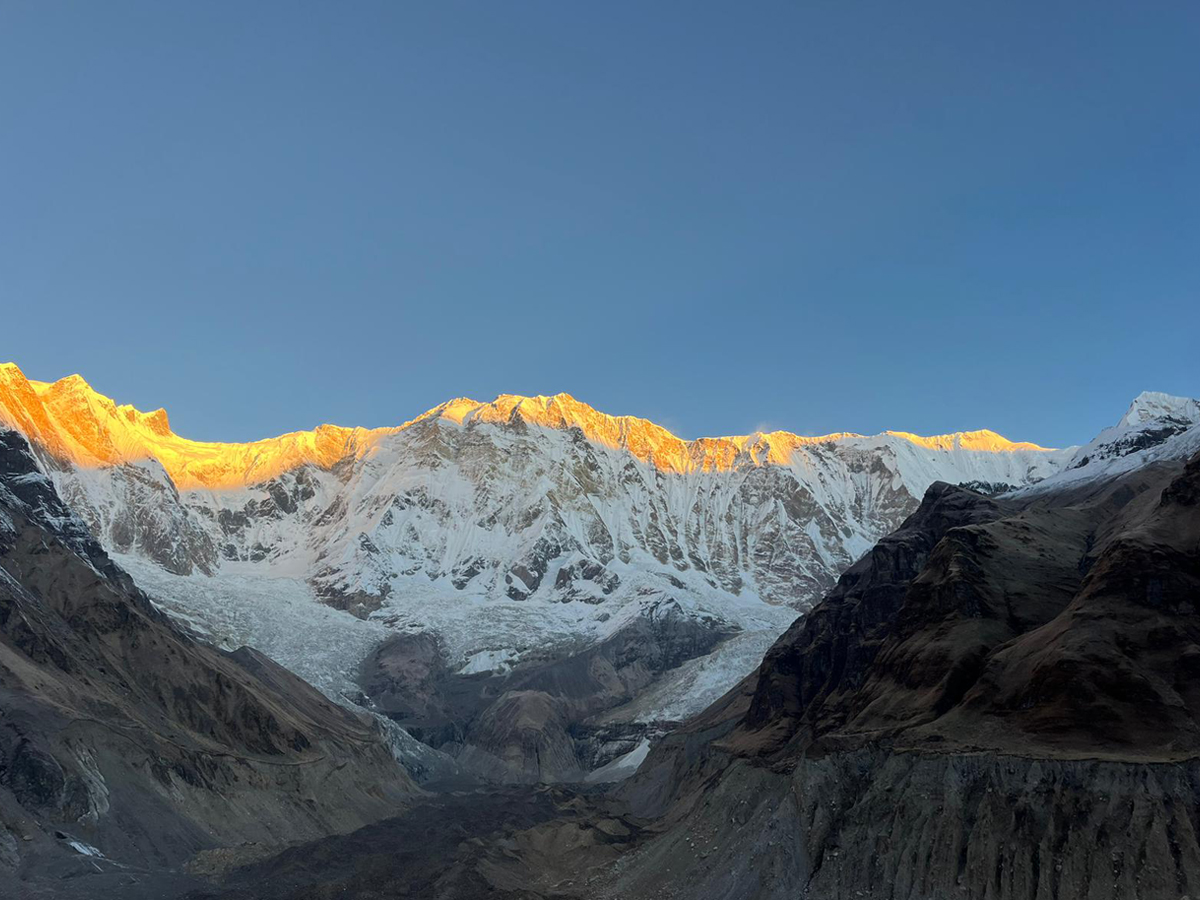
- Towering peaks of Kanjiroba, Dhaulagiri, and Churen Himal,
- Remote valleys, high deserts, and snow-swept plateaus,
- Sacred lakes such as Phoksundo Lake surrounded by alpine meadows,
- Rolling hills, deep gorges, and wind-carved cliffs that feel utterly untouched.
The scenery is a mix of barren beauty, turquoise lakes, and Himalayan majesty, making every step a visual feast.
Culture and Spiritual Life
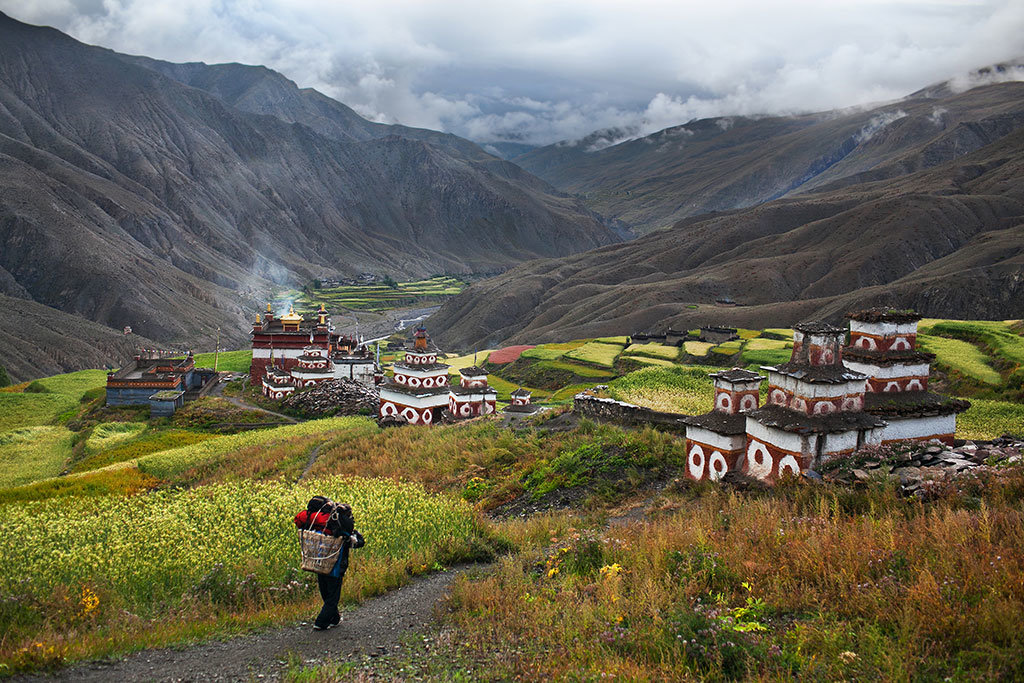
Upper Dolpo is home to ancient Tibetan-influenced Buddhist and Bonpo communities. The trek passes through villages where:
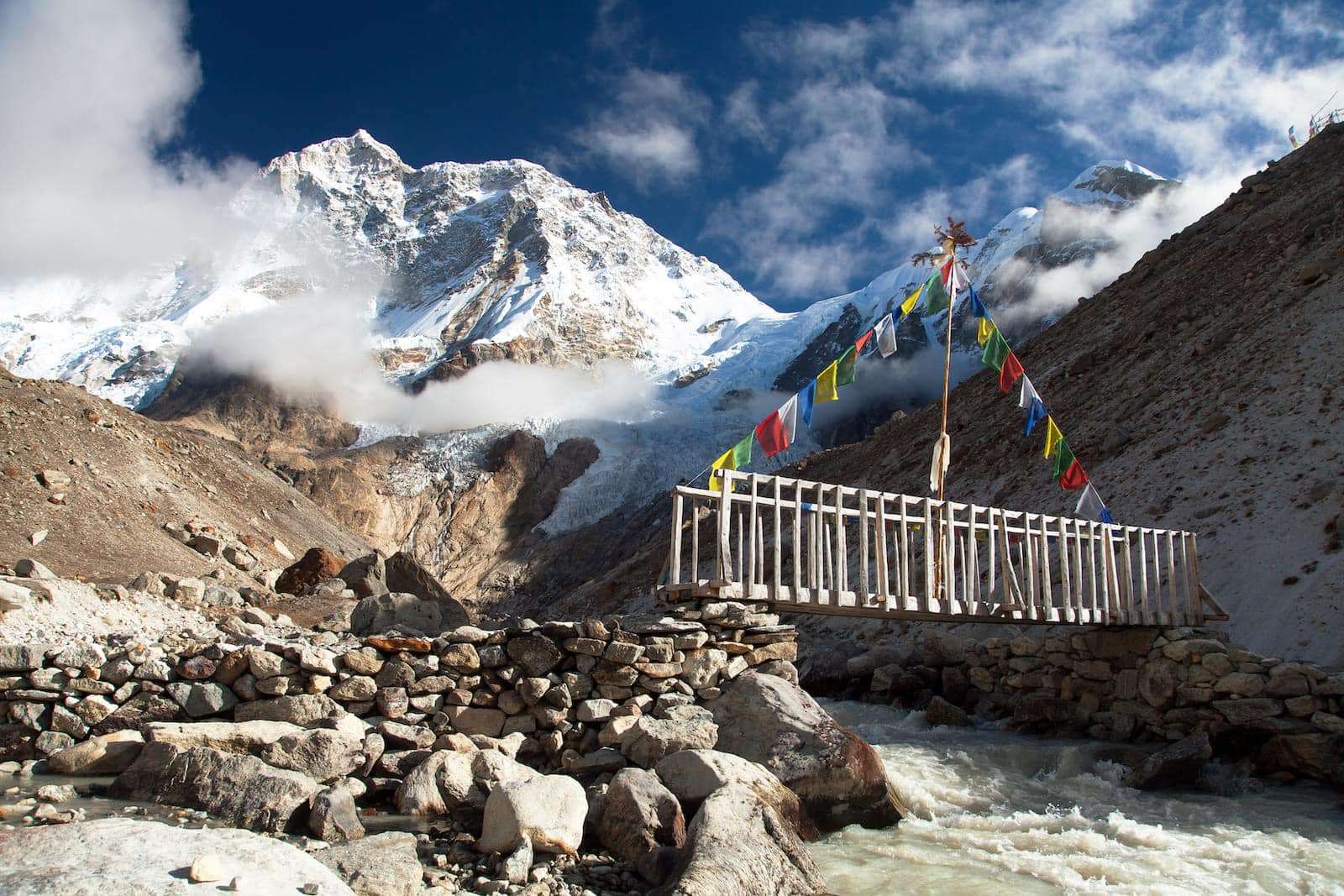
- Prayer flags and mani walls flutter in the wind,
- Monasteries like Shey Gompa and Ringmo Gompa serve as spiritual hubs,
- Local festivals, traditional music, and centuries-old customs remain alive.
Here, culture is deeply intertwined with the mountains, lakes, and daily life of the people, creating a spiritually immersive trekking experience.
Untouched Wilderness
Upper Dolpo is among the least-traveled regions in Nepal, ensuring solitude, raw landscapes, and authentic adventure. Trekkers encounter:
- High-altitude deserts and yak pastures,
- Crystal-clear rivers and hidden alpine lakes,
- Wildlife such as snow leopards, Himalayan blue sheep, and red pandas in protected zones.
The sense of isolation amplifies the connection to nature, making every day a true Himalayan journey.
Why the Upper Dolpo Trek Is Special?
This trek is for adventurers seeking remote wilderness, spiritual depth, and Himalayan grandeur. Standing beside the turquoise Phoksundo Lake, crossing high passes, or walking through silent villages, you feel a rare sense of timelessness and peace.
For travelers yearning for a once-in-a-lifetime Himalayan expedition, the Upper Dolpo Trek is a journey into Nepal’s most mystical, remote, and breathtaking landscapes, where nature and ancient culture exist in perfect harmony.
Basic Information About Upper Dolpo Trek
1. Location:
The Upper Dolpo Trek is located in the remote northwestern region of Nepal, within the Dolpo District and Shey Phoksundo National Park, near the Tibetan border. This hidden Himalayan region is one of Nepal’s most isolated trekking destinations, known for its dramatic landscapes, ancient Tibetan culture, and untouched wilderness.
2. Altitude:
The trek reaches a maximum altitude of approximately 5,360 meters at Kang La Pass. Along the route, trekkers enjoy breathtaking views of the Dhaulagiri range, barren high-altitude valleys, snow-covered peaks, and the turquoise waters of Phoksundo Lake.
3. Trek Duration:
The Upper Dolpo Trek usually takes 20–25 days, depending on the itinerary, acclimatization days, and side explorations such as Shey Gompa and Crystal Mountain.
4. Difficulty Level:
This trek is considered very challenging. It involves long trekking days, multiple high mountain passes, extreme remoteness, and camping-based travel. Trekkers should be physically fit, have prior high-altitude trekking experience, and have good mental endurance.
5. Best Seasons:
- Spring (April–May) offers stable weather, blooming alpine flowers, and clear skies.
- Autumn (September–October) provides dry conditions, crisp air, and excellent visibility.
- Winter (November–March) is extremely cold and unsuitable due to heavy snowfall and blocked passes.
- Monsoon (June–August) brings rainfall, though Upper Dolpo lies in a rain shadow.
6. Accommodation & Food:
Accommodation is primarily in tents, as there are no teahouses in Upper Dolpo. Camping equipment and meals are provided by trekking crews. Food usually consists of rice, lentils, vegetables, pasta, soups, and simple Tibetan-style meals.
7. Permits Required:
Trekkers need an Upper Dolpo Restricted Area Permit and a Shey Phoksundo National Park Entry Permit. A licensed trekking guide is mandatory for this trek.
8. Culture & Spirituality:
Upper Dolpo preserves ancient Tibetan Buddhist and Bon traditions. Trekkers encounter centuries-old monasteries, prayer flags, mani walls, chortens, and traditional villages that reflect a lifestyle largely unchanged for generations.
9. Connectivity & Safety:
Mobile network coverage is almost non-existent throughout the trek. Due to its extreme remoteness and high altitude, trekkers must carry all essential supplies and emergency equipment. Proper acclimatization, experienced guides, and thorough planning are essential for a safe journey.
1. What is the Upper Dolpo Trek?
+
The Upper Dolpo Trek is a remote and high-altitude trekking adventure in western Nepal, exploring ancient Tibetan-influenced villages, sacred monasteries, and dramatic Himalayan landscapes. It is famous for its isolation, rich culture, and pristine wilderness.
2. How long does the trek take?
+
The trek usually takes 18–24 days, depending on the route, acclimatization, and side trips.
3. Who can do this trek?
+
This trek is suitable for experienced trekkers with excellent fitness due to long trekking days, high altitudes, and remote terrain. Prior high-altitude trekking experience is recommended.
4. When is the best time to trek?
+
Spring (April–June): Clear skies, warmer temperatures, and blooming flora
Autumn (September–October): Stable weather and stunning mountain views
5. What permits do I need?
+
Upper Dolpo Restricted Area Permit
Shey Phoksundo National Park Permit
TIMS Card
6. What type of accommodation is available?
+
Accommodation is primarily homestays, teahouses, and some basic lodges. In more remote areas, camping may be necessary.
7. Are meals included?
+
Meals are available at lodges or included in trekking packages, featuring local Nepali and Tibetan cuisine. For camping sections, meals are usually provided by trekking operators.
8. Is the Upper Dolpo Trek safe?
+
Yes, it is safe with proper preparation, experienced guides, and adequate acclimatization. Due to remoteness, emergency facilities are limited, so planning is essential.
9. Where does the trek start?
+
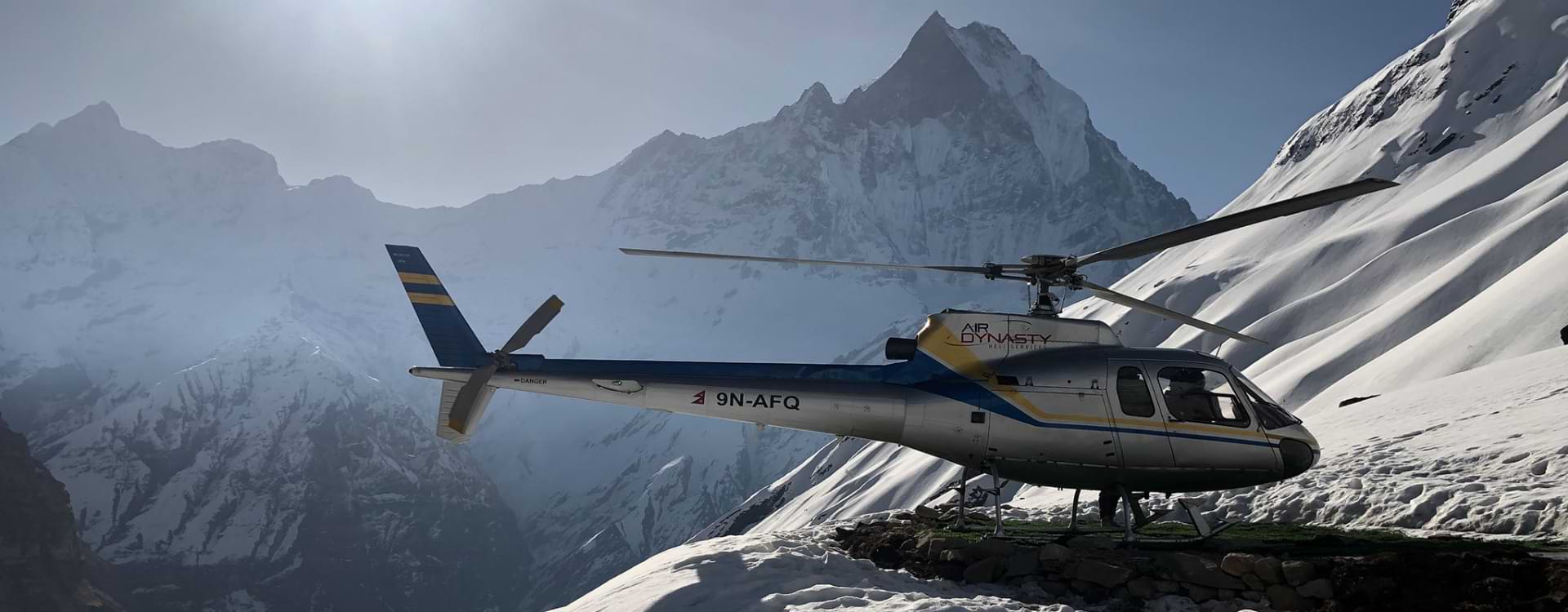
The trek typically starts with a flight to Juphal, followed by trekking into Upper Dolpo’s high valleys and sacred villages.
10. Can I hire a porter?
+
Yes, hiring licensed porters or pack animals is recommended to carry luggage and supplies, especially on long and remote sections.
11. What makes the Upper Dolpo Trek special?
+
The trek is special for its unspoiled Himalayan wilderness, ancient Bon and Buddhist culture, remote monasteries, and breathtaking views of high-altitude valleys, making it one of the most secluded and culturally rich treks in Nepal.