Tsum Valley Trek: The Hidden Buddhist Sanctuary of the Himalayas
Tucked away in the remote folds of Nepal’s northern Gorkha region lies the Tsum Valley, a secluded Himalayan sanctuary known for its ancient monasteries, untouched landscapes, and deep Buddhist heritage. Once restricted and isolated for centuries, Tsum remains one of Nepal’s most culturally preserved and spiritually rich trekking destinations.
The Beauty of Tsum Valley
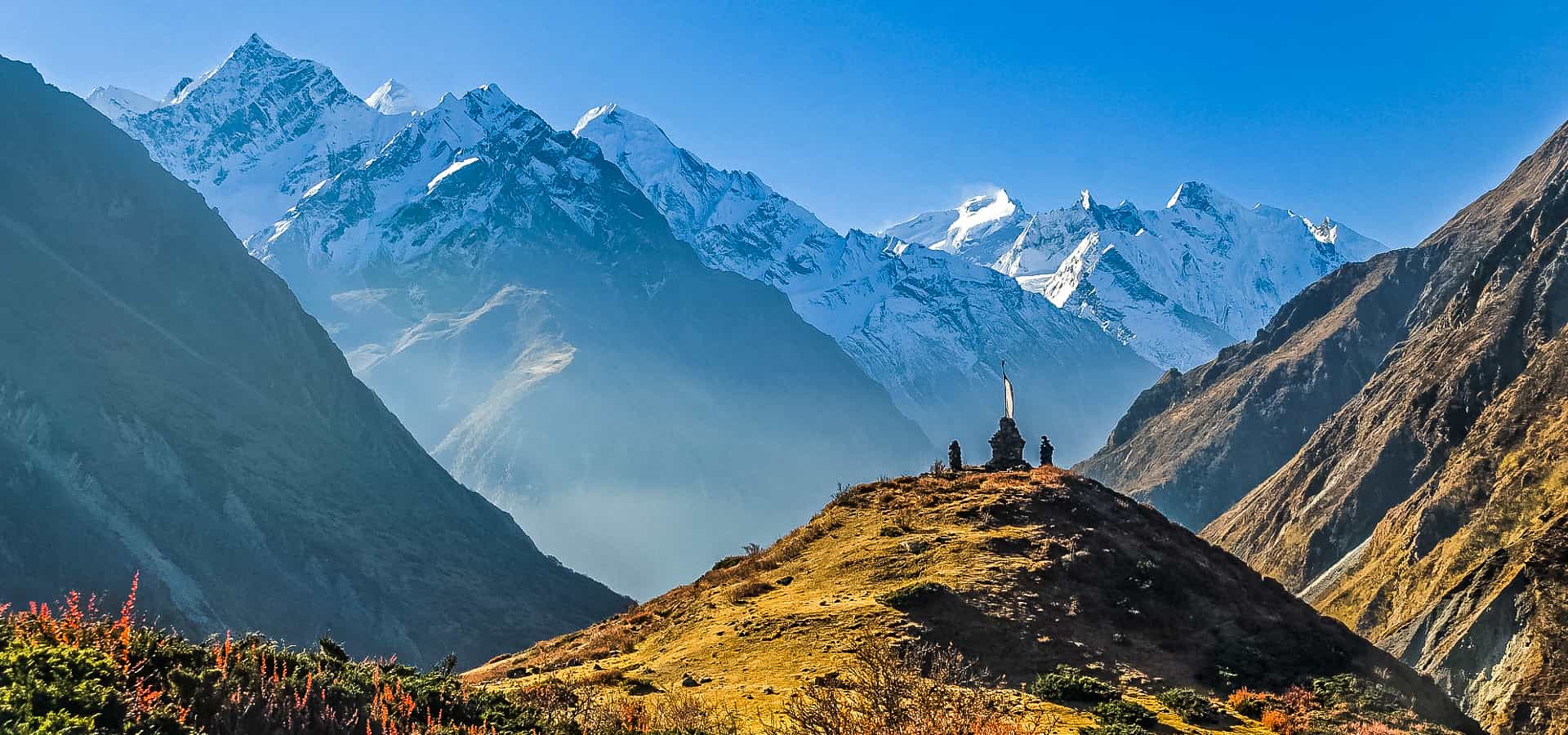
Traveling through Tsum feels like stepping into a living Tibetan cultural world. Along the trail, trekkers encounter:
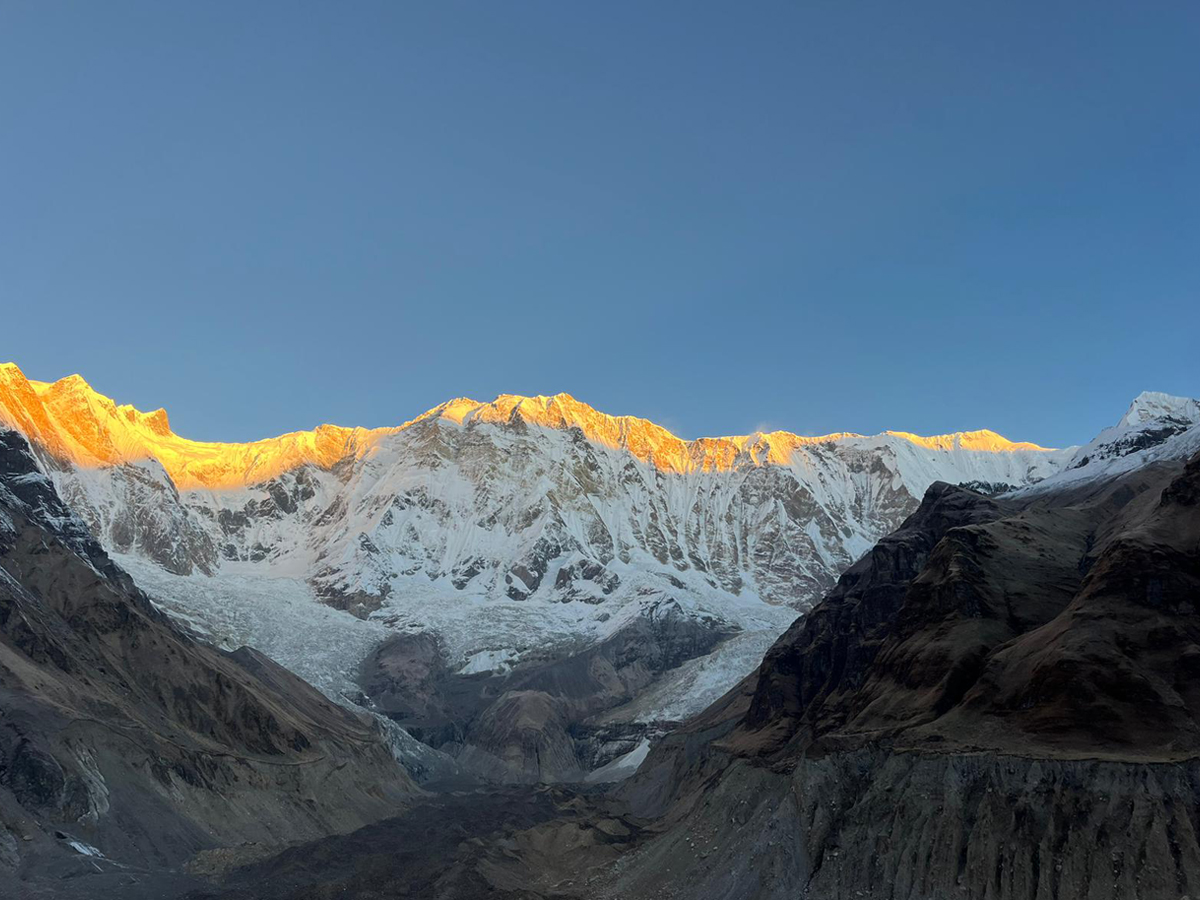
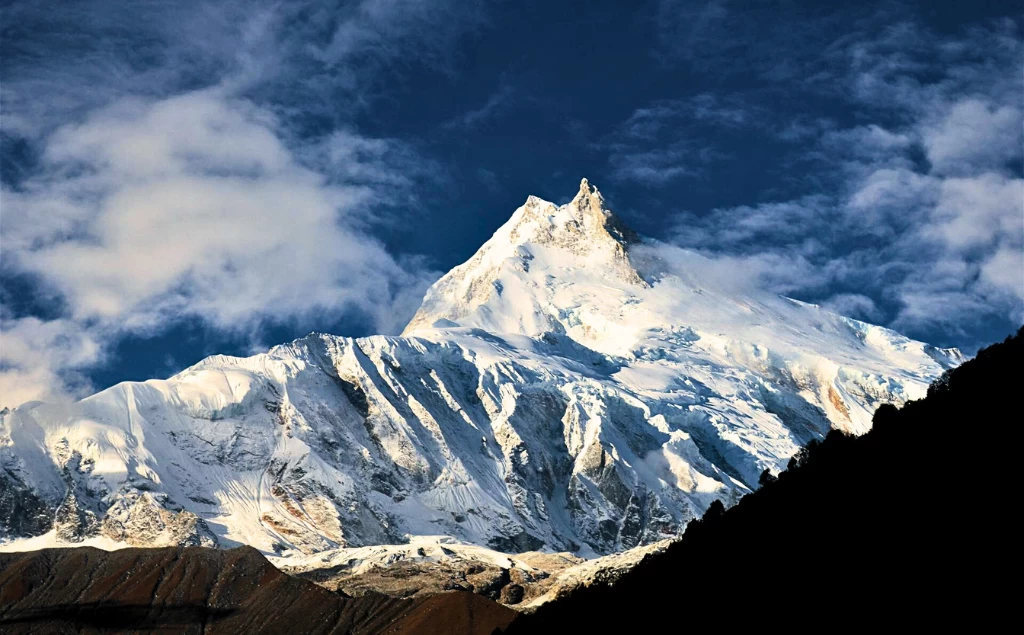
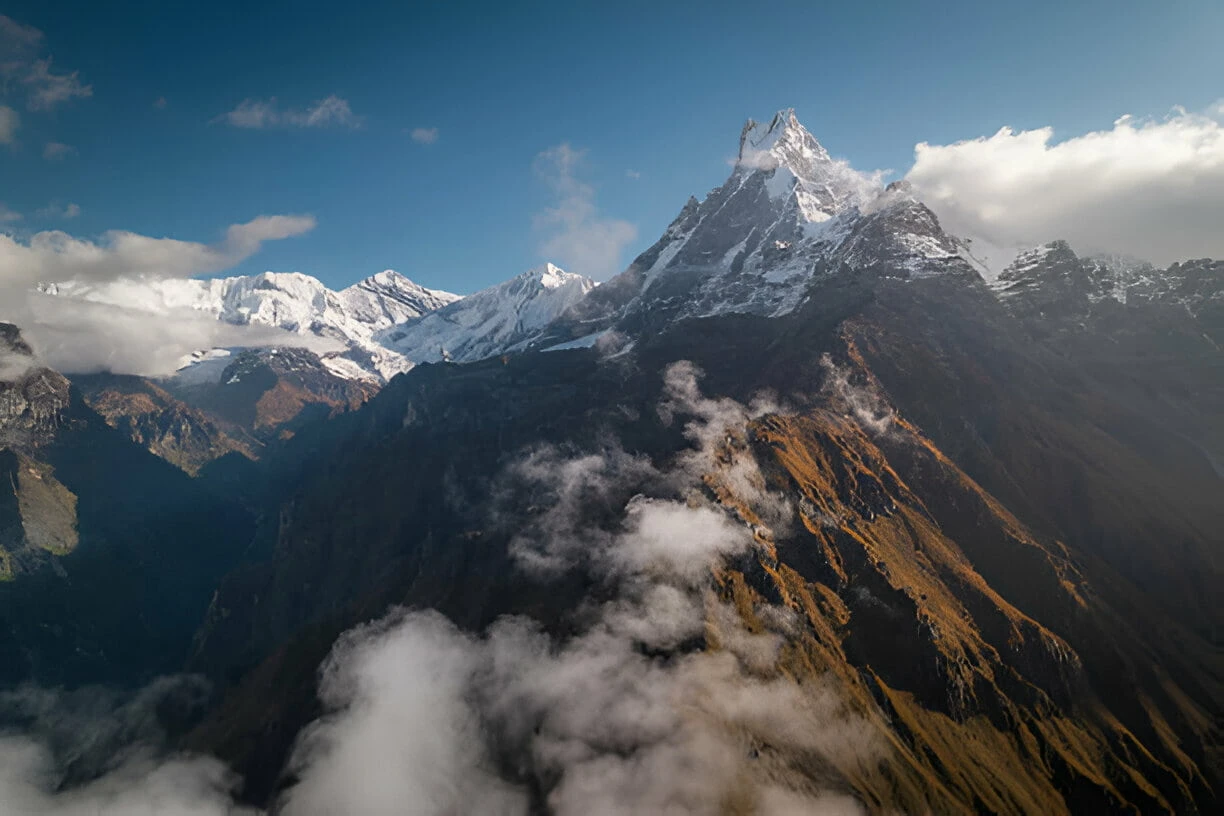
- Manaslu (8,163m) and Ganesh Himal towering above remote villages,
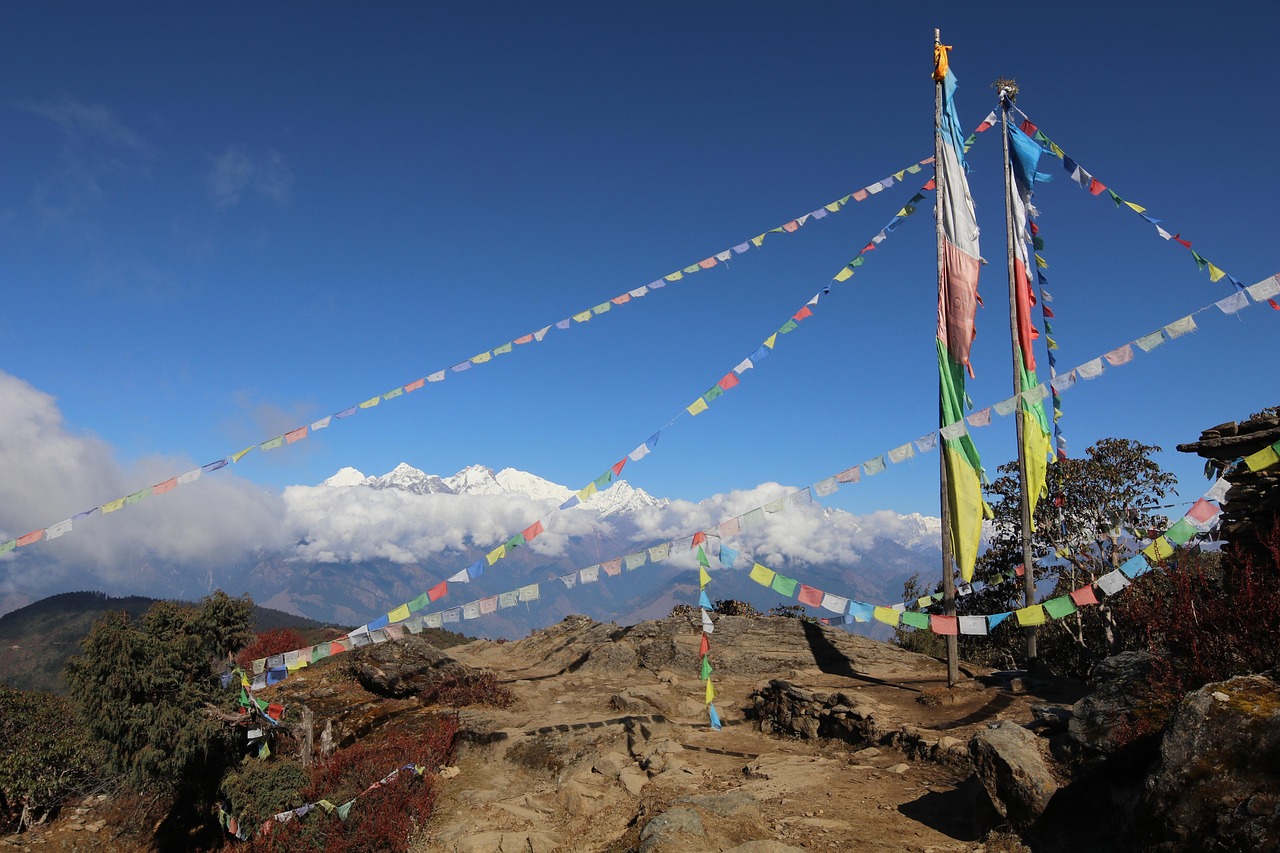
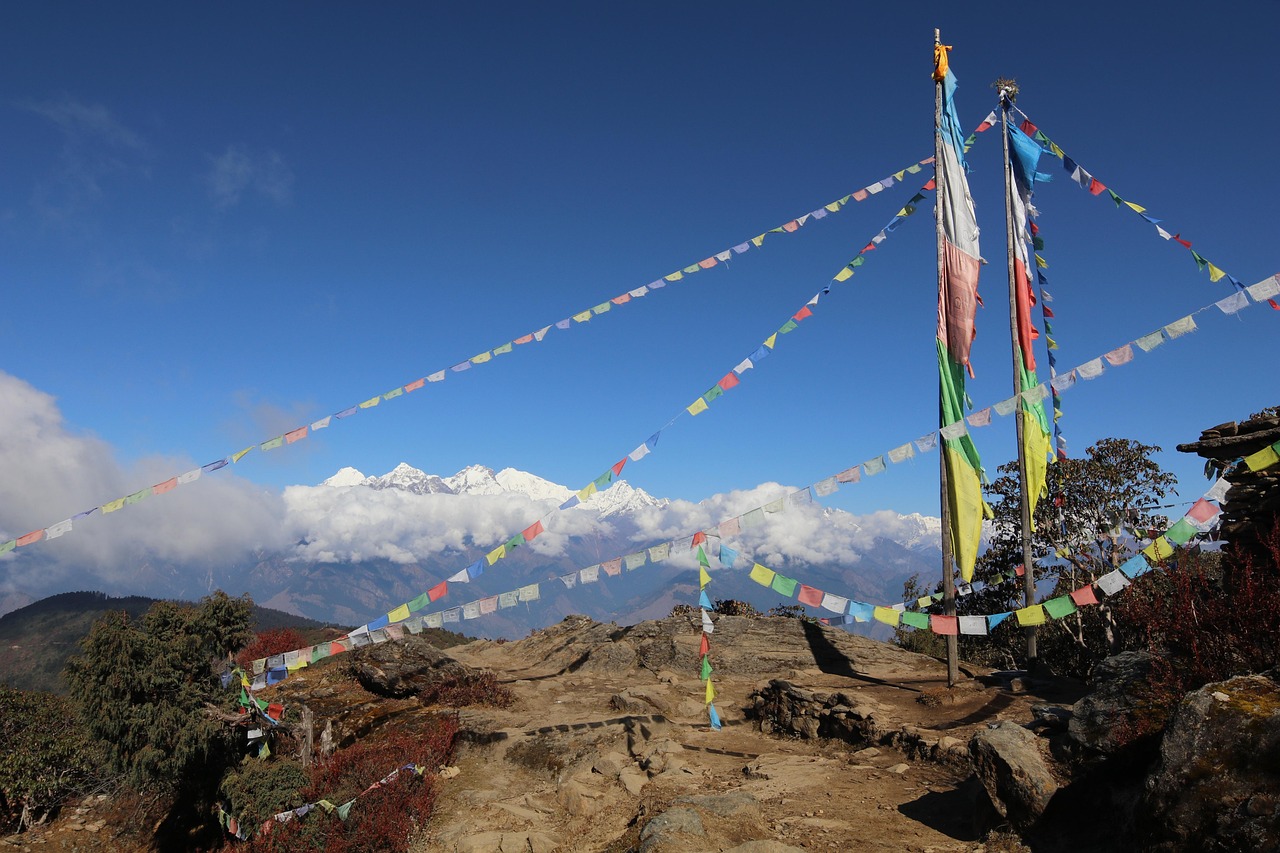
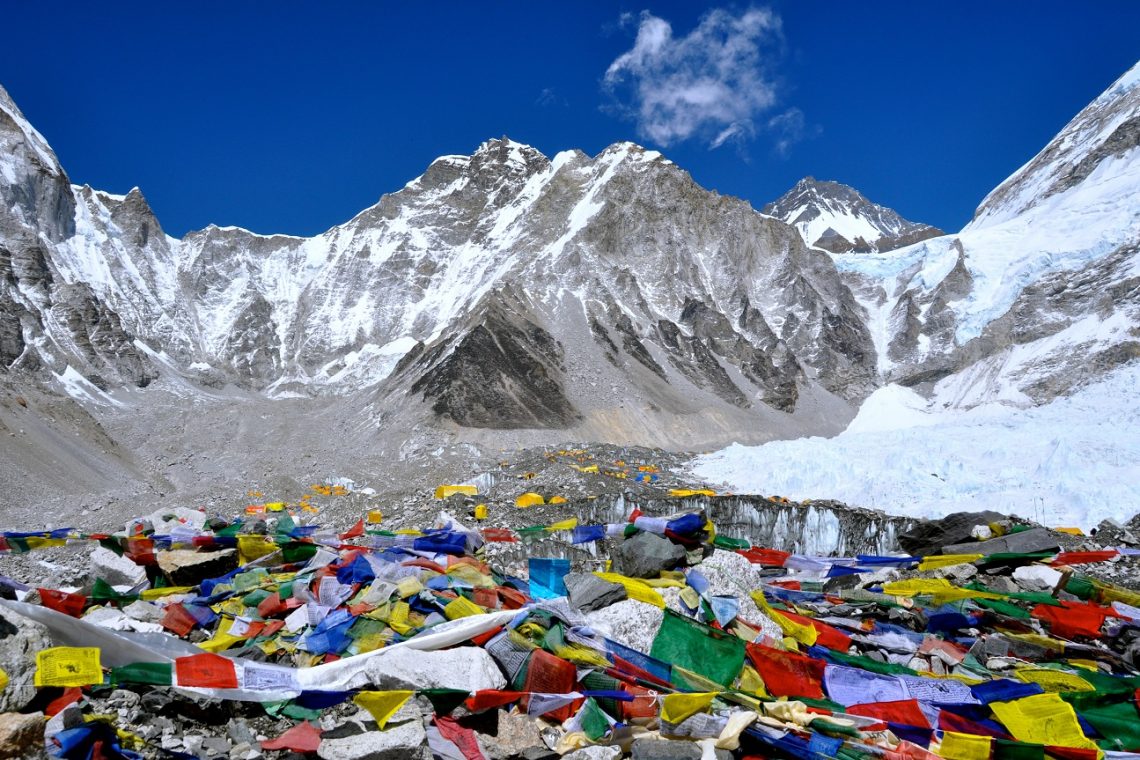
- Monastic settlements with chortens, mani walls, and fluttering prayer flags,
- Wildlife-rich forests and pristine alpine valleys,
- Traditional stone houses and terraced fields untouched by modernization.
The scenery is wild and dramatic, yet peaceful and meditative—perfect for those seeking nature and culture over crowds.
A Living Buddhist Culture
The name “Tsum” comes from the Tibetan word Tsombo, meaning “vivid”. Local people are ethnically Tibetan, follow ancient Buddhist practices, and share traditions that have persisted for generations.
The valley is dotted with spiritual landmarks, including:
- Mu Gompa, a high monastery perched near the Tibetan border,
- Rachen Gompa, home to Buddhist nuns,
- Sacred meditation caves linked to Milarepa, the legendary Tibetan yogi.
- Monks’ chants, spinning prayer wheels, and centuries-old rituals give Tsum a profound spiritual atmosphere.
Untouched Natural and Cultural Heritage
Because Tsum Valley was opened to trekking only recently, it remains unspoiled and authentic. Trails run through forests filled with pine, juniper, and rhododendron; rivers roar beneath suspension bridges; and yaks graze beneath snowy peaks.
Unlike commercialized trekking routes, Tsum offers deep quiet, clean air, and genuine hospitality—often with home-cooked meals and stories shared around the fireplace.
Why Tsum Valley Trek Is Special?
The Tsum Valley Trek is a rare Himalayan journey where spiritual depth, Tibetan culture, and natural beauty merge into a peaceful experience. Friendly locals, sacred monasteries, and dramatic landscapes make it feel like a world untouched by time.
For those seeking a trek that is culturally meaningful, remote, and deeply inspiring, Tsum Valley is a hidden gem—where silence, mountains, and prayer flags come together to create a timeless Himalayan sanctuary.
Basic Information About Tsum Valley Trek
1. Location:
Tsum Valley is located in the northern part of the Gorkha district, within the Manaslu Conservation Area near the Tibetan border. Known as the “Hidden Valley,” this region remained restricted for international trekkers until 2008. The trek offers a peaceful Himalayan experience with ancient monasteries, dramatic landscapes, and strong Tibetan–Buddhist cultural influence, away from crowded mainstream trails.
2. Altitude:
The trek reaches elevations of around 3,700 meters at Mu Gompa. From the upper valley, trekkers enjoy close-up views of Ganesh Himal, Sringi Himal, Baudha Himal, and other snow-capped peaks that frame the valley.
3. Trek Duration:
The Tsum Valley Trek typically takes 12–18 days, depending on whether you combine it with the Manaslu Circuit or explore only Tsum Valley. It is ideal for trekkers seeking a longer cultural and spiritual journey.
4. Difficulty Level:
The trek is considered moderate to challenging due to long walking days, remote terrain, and sustained altitude. A good level of fitness is recommended. The trail is well-defined but can be steep and rugged in places.
5. Best Seasons:
- Spring (March–May): Rhododendrons bloom, landscapes are vibrant, and mountain views are clear.
- Autumn (September–November): Best season for trekking with stable weather, crisp air, and outstanding visibility.
- Winter (December–February): Cold temperatures, snow at higher elevations, fewer trekkers, and clear skies.
- Monsoon/Summer (June–August): Green hills and cultural farming season but frequent rain, leeches, and limited visibility.
6. Accommodation & Food:
Along the trail, trekkers stay in basic teahouses, homestays, and lodges operated by local communities. Facilities are simple but welcoming. Common meals include dal bhat (rice and lentils), pasta, noodles, soups, potatoes, momos, and hot tea. Supplies are limited due to the remote location.
7. Permits Required:
Since the region is restricted and lies inside a conservation area, trekkers need:
- Tsum Valley Restricted Area Permit
- Manaslu Conservation Area Project (MCAP) Permit
- TIMS Card (varies based on itinerary and agency requirements)
8. Culture & Spirituality:
Tsum Valley is predominantly inhabited by Tibetan-influenced Buddhist communities. Monasteries, mani walls, prayer wheels, and chortens are common throughout the valley. Highlights include Mu Gompa, Rachen Nunnery, and ancient meditation caves linked to Milarepa. The region’s spiritual atmosphere and traditional lifestyle make the trek culturally enriching.
9. Connectivity & Safety:
Mobile network coverage is limited and often unavailable in upper villages. Trekkers should carry:
- Warm layered clothing
- Cash (no ATMs in the valley)
- Snacks and water
- Basic first aid
- Due to its remoteness, it’s recommended to trek with a guide for safety and navigation.
1. What is the Tsum Valley Trek?
+
The Tsum Valley Trek is a remote cultural trekking route in the Manaslu region, known for its Tibetan-influenced villages, sacred monasteries, and untouched Himalayan landscapes.
2. How long does the trek take?
+
The trek typically takes 14–18 days, depending on the route and acclimatization needs.
3. Who can do this trek?
+
It is suitable for physically fit trekkers who are prepared for long trekking days and remote conditions, making it ideal for those seeking authentic cultural experiences.
4. When is the best time to trek?
+
Spring (March–May) – Stable weather & blooming flowers
Autumn (September–November) – Clear skies & pleasant temperatures
5. What permits do I need?
+
Restricted Area Permit (RAP) for Tsum Valley
Manaslu Conservation Area Permit (MCAP)
TIMS Card
6. What type of accommodation is available?
+
Accommodation consists mainly of local teahouses and homestays, offering simple rooms with shared facilities.
7. Are meals included?
+
Meals are provided at teahouses, serving local Nepalese and Tibetan-style dishes. Packages usually include breakfast and dinner, while lunch is taken en route.
8. Is the Tsum Valley Trek safe?
+
Yes, it is safe with proper preparation, acclimatization, and a licensed guide, as the region is remote and facilities are limited.
9. Where does the trek start?
+
The trek usually begins from Soti Khola or Arughat, both accessible by road from Kathmandu.
10. What makes the Tsum Valley Trek special?
+
The trek is unique for its preserved Buddhist culture, ancient monasteries, sacred caves, traditional Tibetan lifestyle, and stunning views of Ganesh Himal and Manaslu, making it one of Nepal’s most authentic and peaceful Himalayan experiences.