Everest Base Camp Trek: Adventure at the Roof of the World
Nestled in the heart of the Khumbu region, the Everest Base Camp (EBC) Trek is the quintessential Himalayan adventure. Known worldwide as the gateway to the highest peak on Earth, this trek offers breathtaking mountain views, cultural immersion in Sherpa villages, and an unforgettable sense of achievement—all while being accessible to budget-conscious travelers. Unlike luxury treks, a budget EBC trek focuses on simplicity, authenticity, and the thrill of high-altitude trekking without compromising on the essential experiences.
The Journey to the Roof of the World
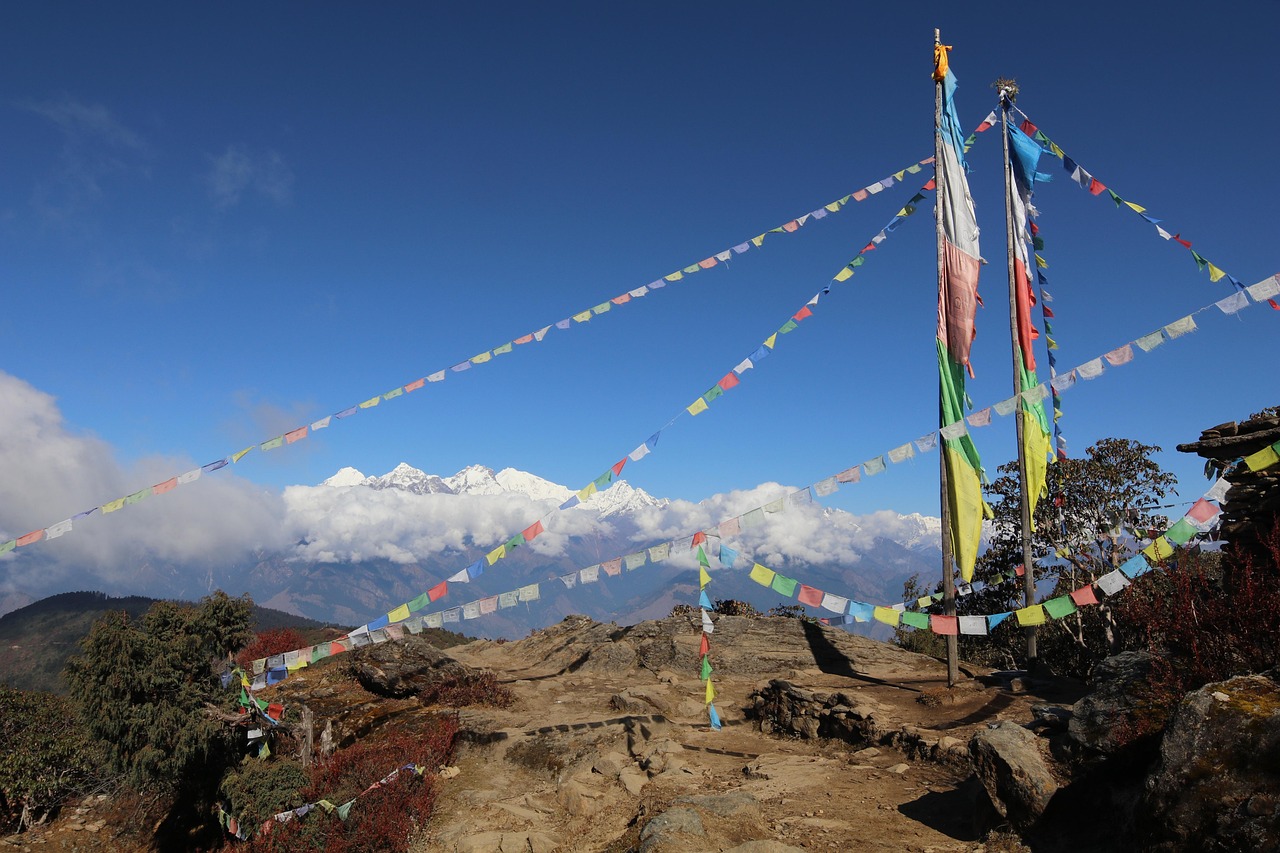
The trek begins with a scenic flight from Kathmandu to Lukla, a small mountain airstrip perched high in the Himalayas. From there, the trail winds along the Dudh Koshi River, through pine forests and mani walls, passing quaint villages and prayer flags fluttering in the wind. Key stops include Namche Bazaar, Tengboche, Dingboche, and Gorakshep, each offering unique views and cultural experiences.
The ultimate reward awaits at Everest Base Camp, where the mighty Khumbu Icefall spreads below the towering summit of Mount Everest. Trekking here is not just about the peak itself; it’s about the entire experience—crossing suspension bridges, navigating rugged trails, and soaking in the raw beauty of the Himalayas.
Mountain Views That Take Your Breath Away
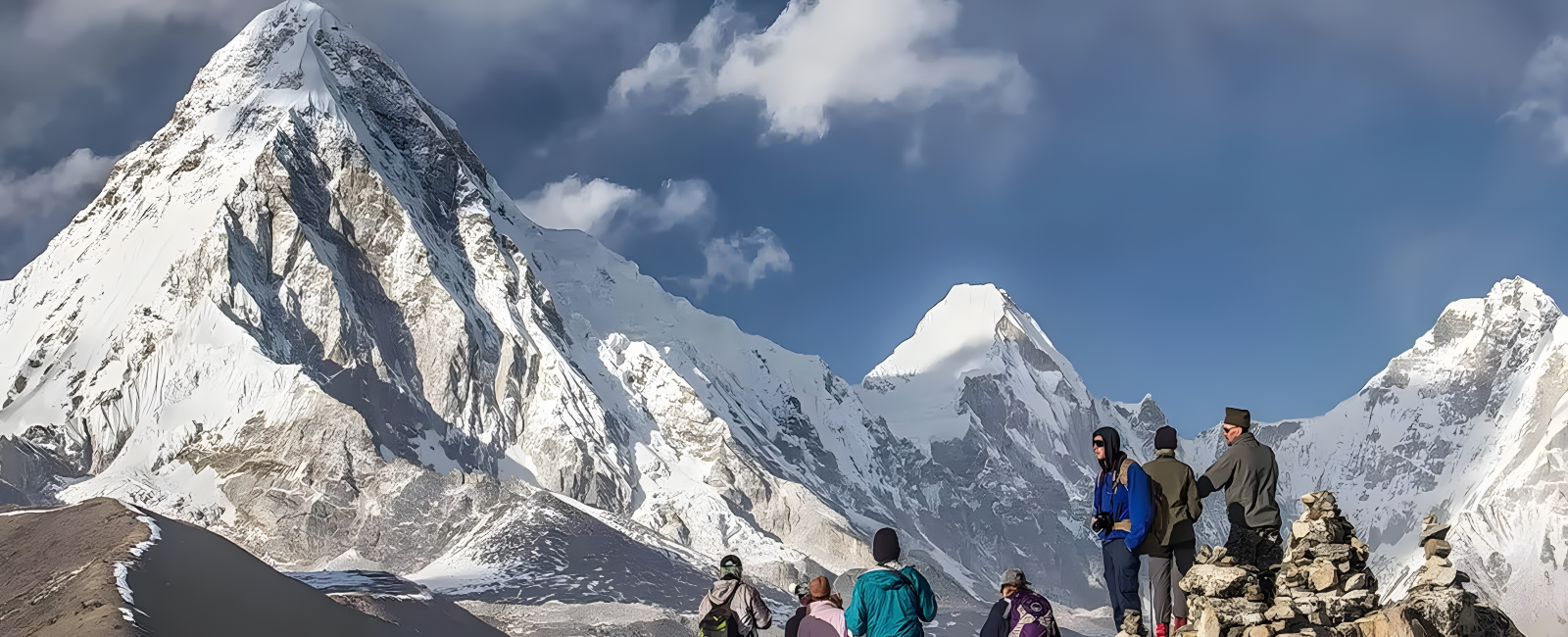
Along the route, trekkers are treated to uninterrupted panoramas of the world’s highest peaks. On clear days, you can see:
Mount Everest, standing tall and majestic.
Lhotse and Nuptse, flanking the Everest massif.
Ama Dablam, often called the “Matterhorn of the Himalayas.”
Thamserku and Kangtega, dotting the horizon with dramatic ridges.
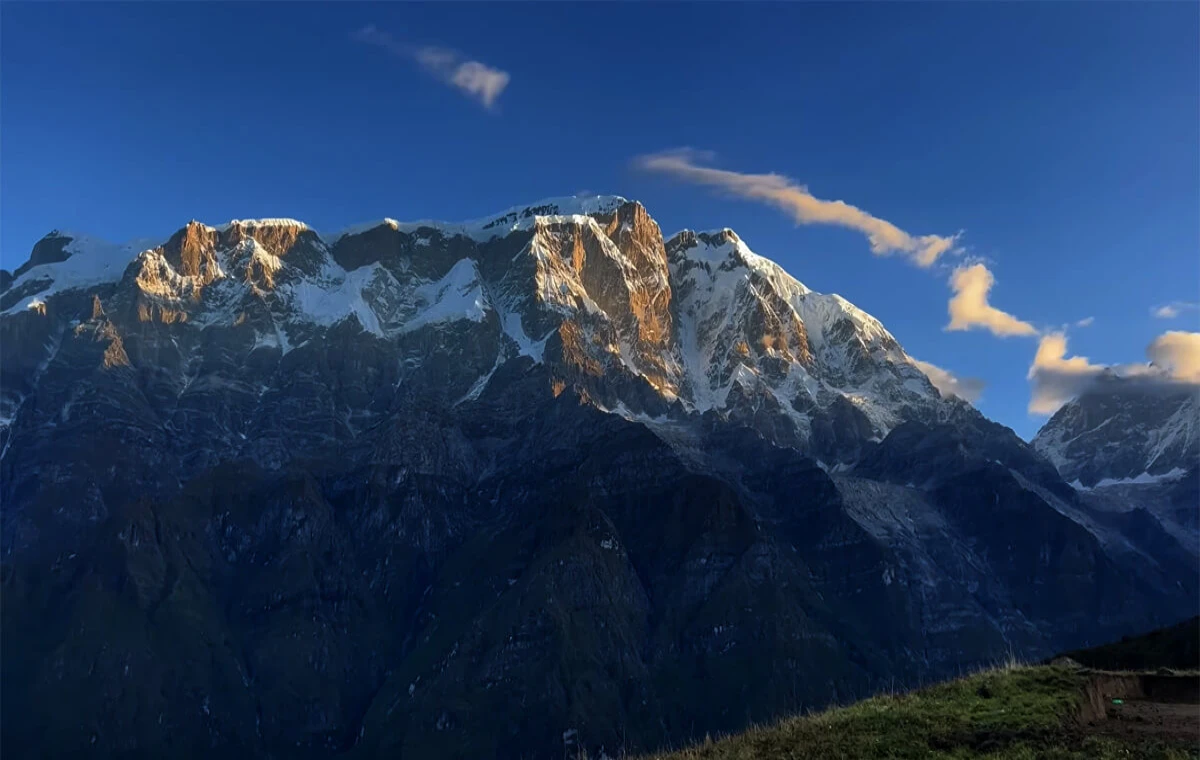
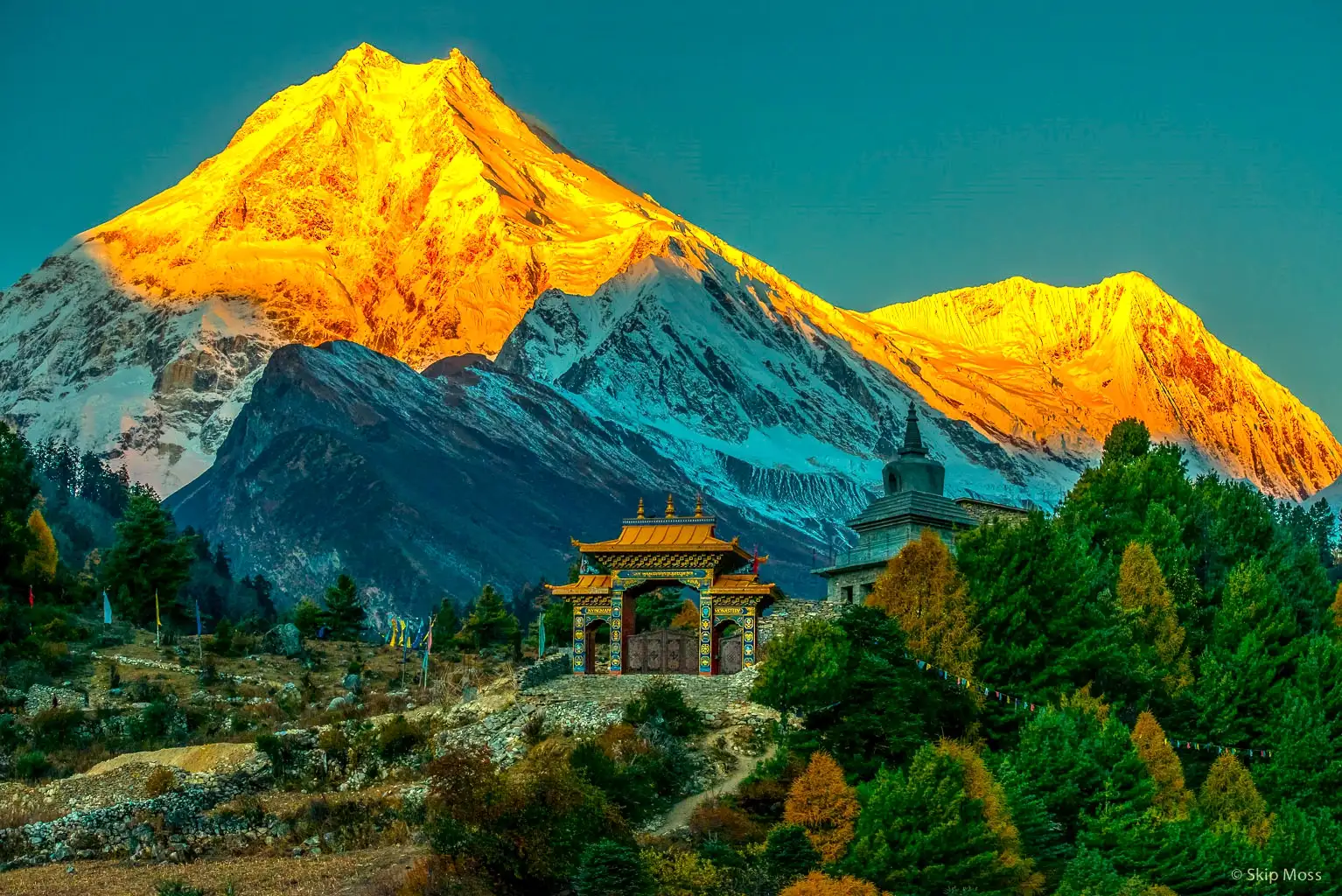
Sunrise and sunset paint the mountains in golden hues, creating a spiritual and almost surreal atmosphere that makes every step of the trek worthwhile.
Cultural Immersion in the Khumbu
The EBC trek is not only about nature—it is a journey into Sherpa culture. Villages along the way showcase traditional stone houses, mani walls, Buddhist monasteries, and warm hospitality. Tengboche Monastery, in particular, offers a glimpse into spiritual life in the high Himalayas, with chanting monks and fluttering prayer flags creating a deeply peaceful ambiance.
Budget-Friendly, Yet Rewarding
Even on a budget, the trek is comfortable and well-organized. Lodges and teahouses provide basic accommodation and meals, ensuring trekkers have the essentials for rest and nourishment. The simplicity of the budget trek often enhances the experience, offering authentic Himalayan living and interactions with locals that luxury options may not provide.
Why Everest Base Camp is Special ?
Everest Base Camp is more than a destination—it is a rite of passage for trekkers around the world. The sense of achievement standing at the foot of the world’s highest mountain, surrounded by glaciers, peaks, and the crisp Himalayan air, is unmatched. This trek combines natural beauty, physical challenge, cultural encounters, and the unique thrill of high-altitude adventure, making it one of the most iconic journeys on Earth.
Whether you are a first-time trekker or an experienced adventurer, the budget Everest Base Camp Trek offers a perfect blend of adventure, authenticity, and awe-inspiring scenery—proving that the roof of the world is within reach for everyone.
Basic Information About Budget Everest Base Camp Trek
1. Location:
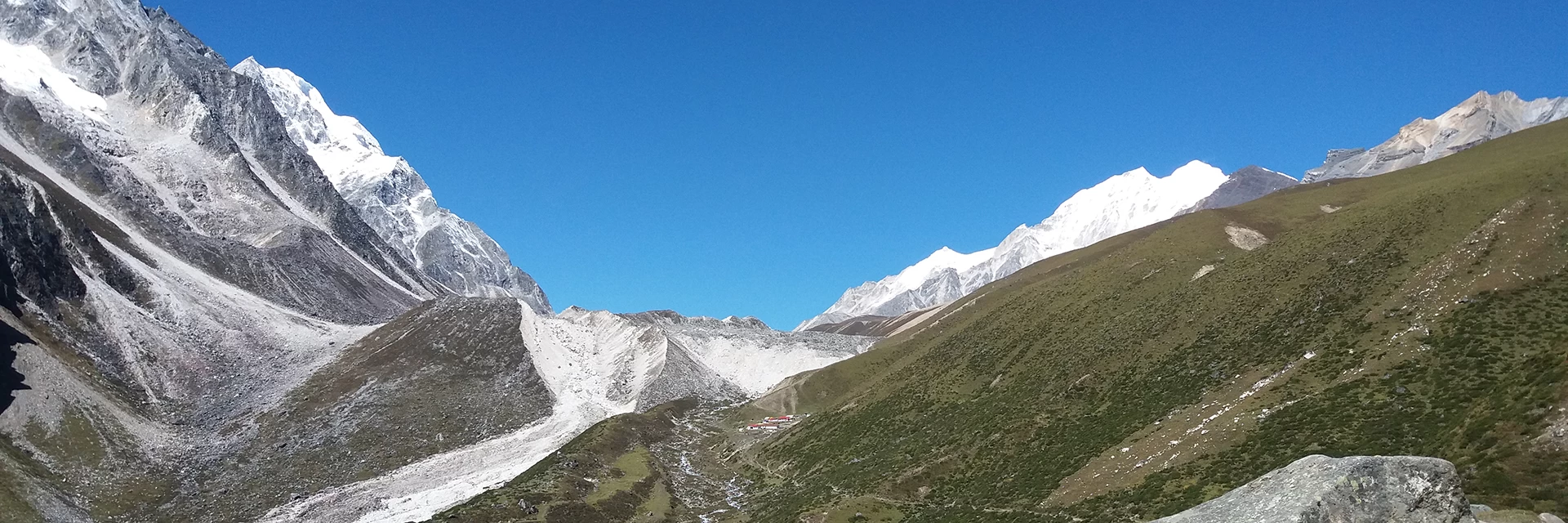
The trek is located in the Khumbu region of Nepal, within the Sagarmatha National Park. Starting from Lukla, it passes through Sherpa villages, monasteries, and alpine landscapes, culminating at the iconic Everest Base Camp. This region offers an authentic Himalayan experience with panoramic mountain views and cultural immersion.
2. Altitude:
The trek reaches Everest Base Camp at 5,364 meters, with optional hikes to Kala Patthar (5,545 meters) for the best sunrise views of Mount Everest, Lhotse, Nuptse, Ama Dablam, and other Himalayan giants.
3. Trek Duration:
The trek is typically completed in 12–14 days, including acclimatization days, making it accessible for trekkers seeking a comprehensive yet manageable journey to the Everest region.
4. Difficulty Level:
The trek is moderate to challenging due to high altitude and long trekking days. A reasonable level of fitness, previous trekking experience, and proper acclimatization are recommended. Trekking poles and sturdy footwear are advised.
5. Best Seasons:
Spring (March–May): Clear skies, pleasant temperatures, and blooming rhododendrons.
Autumn (September–November): Crisp air, excellent visibility, and ideal trekking conditions.
Winter (December–February): Cold temperatures, fewer trekkers, and clear mountain views.
Monsoon/Summer (June–August): Lush green trails, but frequent rain, slippery paths, and limited visibility.
6. Accommodation & Food:
Budget accommodation is provided in teahouses along the trekking route, offering basic but comfortable rooms. Meals typically include Nepali staples such as dal bhat, noodles, soups, momos, and Tibetan bread. Hot showers and Wi-Fi are available at select locations.
7. Permits Required:
Trek permits include the Sagarmatha National Park Entry Permit and a TIMS (Trekkers’ Information Management System) card, which can be obtained in Kathmandu or at the park entry points.
8. Culture & Spirituality:
The trek passes through traditional Sherpa villages, monasteries, prayer flags, and chortens, offering rich cultural and spiritual experiences. Interactions with local communities provide insights into Sherpa traditions, lifestyle, and Buddhism in the high Himalayas.
9. Connectivity & Safety:
Mobile network coverage is available in most villages, but may be limited near the higher altitudes. Trekking with an experienced guide, proper acclimatization, and carrying sufficient water, snacks, and warm clothing are recommended for safety.
1. How many days does it take to reach Everest Base Camp?
+
Typically 12–14 days, including acclimatization and rest days.
2. Is it worthwhile to do a budget Everest Base Camp trek?
+
Yes, it offers authentic Himalayan scenery, Sherpa culture, and adventure at an affordable cost.
3. How challenging is the budget Everest Base Camp trek?
+
Moderate to demanding, with long walking days and high-altitude sections.
4. Can beginners attempt the budget Everest Base Camp trek?
+
Yes, with basic fitness, proper preparation, and acclimatization.
9. Is it safe for solo female travelers?
+
Yes, with proper planning, guides, and staying in lodges along the route.
10. How can altitude sickness be prevented?
+
Gradual ascent, rest days, hydration, and monitoring symptoms are key preventive measures.