Annapurna North Base Camp Trek: The Hidden Sanctuary of the Annapurna Massif
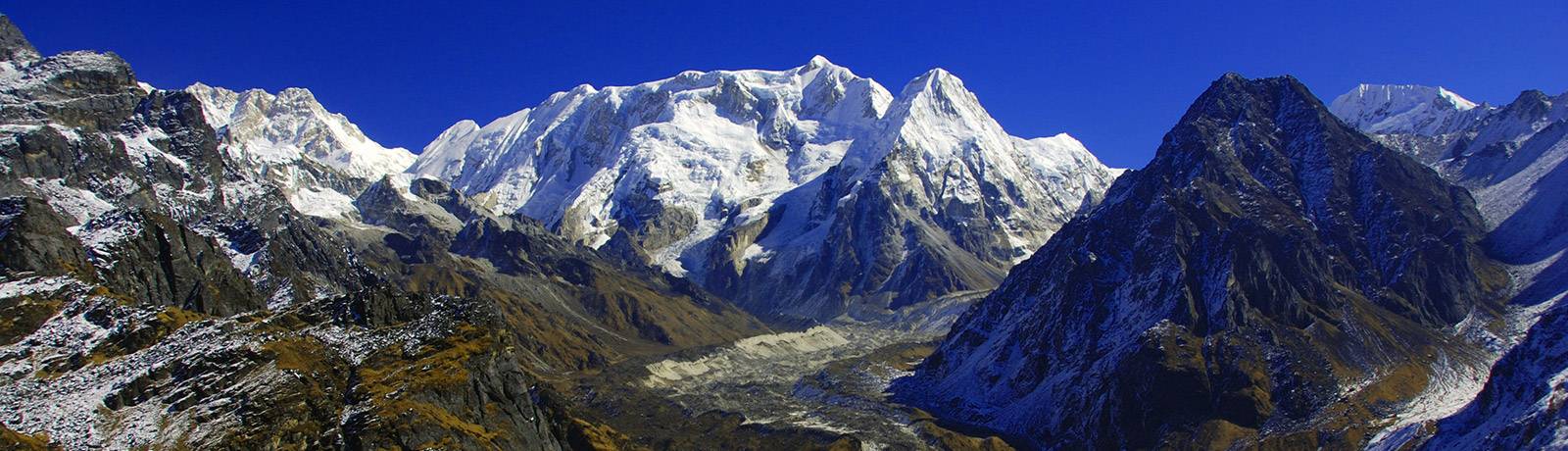
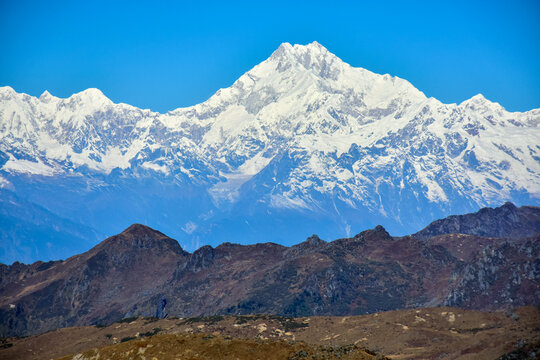
Tucked away on the remote northern side of the Annapurna range, Annapurna North Base Camp (4,190m) is one of Nepal’s least-explored and most dramatic trekking destinations. Far from the crowded trails of Annapurna Circuit and Base Camp, this trek leads you into a raw Himalayan wilderness beneath the towering south face of Annapurna I (8,091m)—the 10th highest mountain in the world.
The Beauty of Annapurna North Base Camp
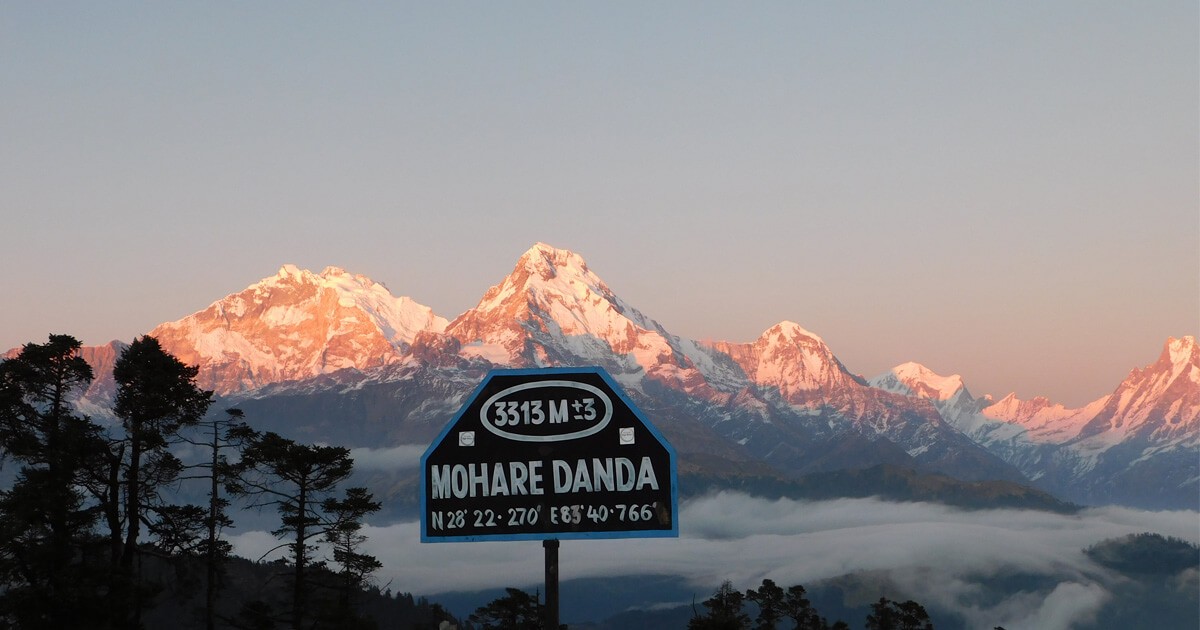
The trek rewards adventurers with breathtaking close-up mountain scenery and pristine alpine landscapes. From the base camp and surrounding viewpoints, trekkers can witness:
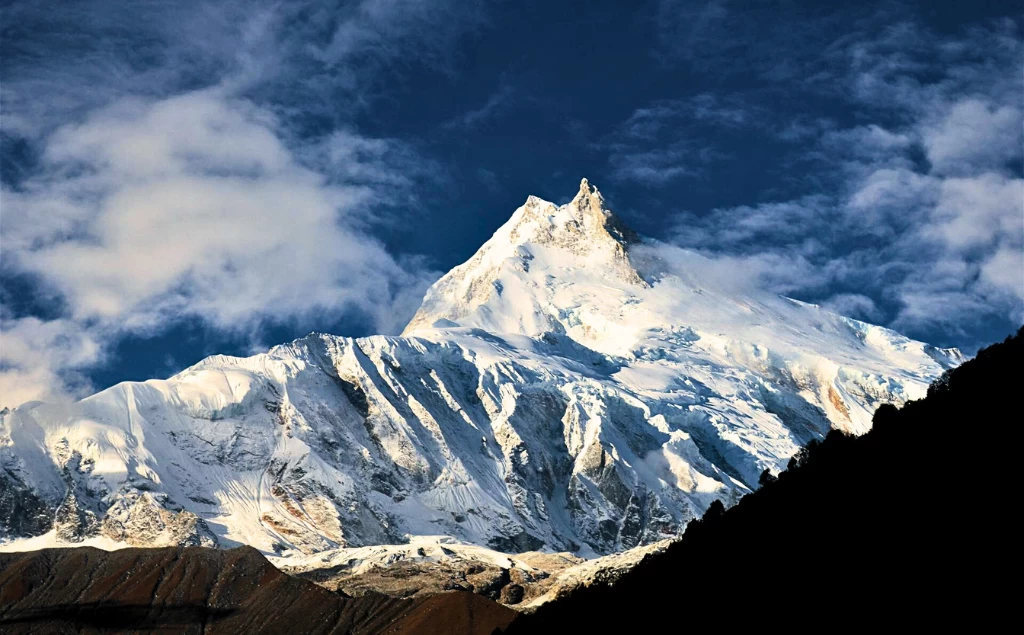
Annapurna I dominating the skyline with its massive ice walls,
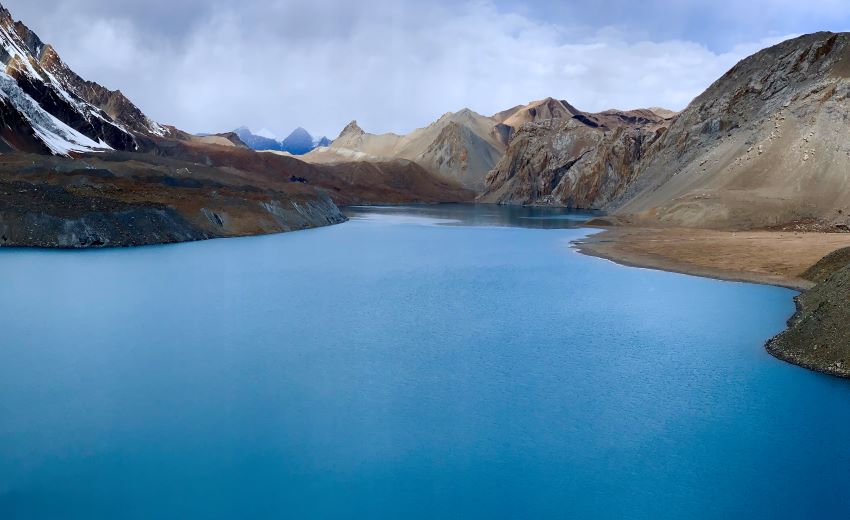
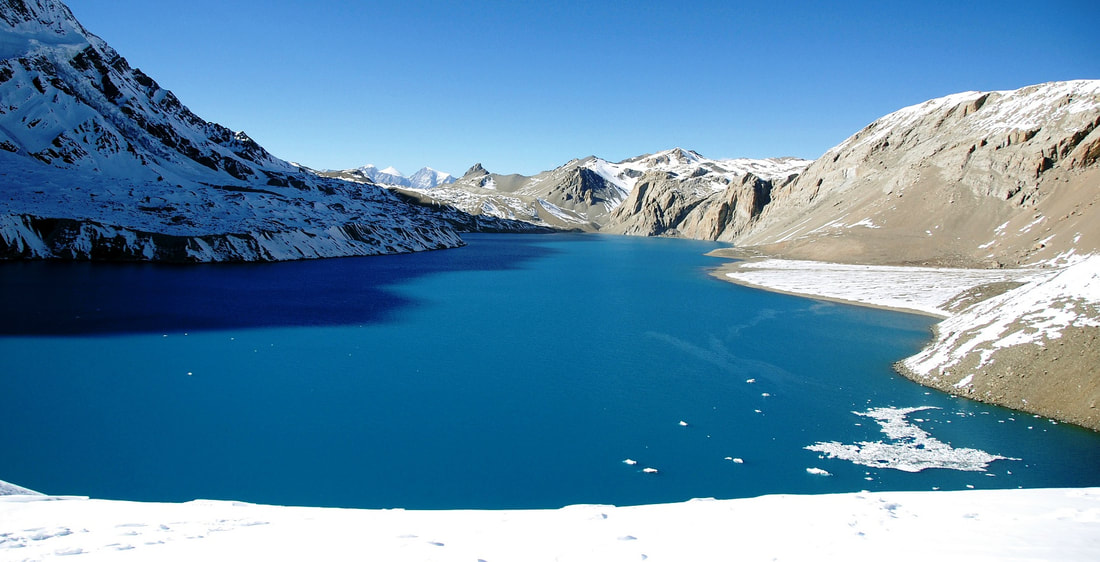
Annapurna Fang and Tilicho Peak adding depth to the northern panorama,
Vast glaciers, moraines, and icefalls flowing down from the high Himalayas,
Dramatic contrasts between green valleys and stark high-altitude terrain.
Unlike other base camps, Annapurna North offers an intimate and powerful mountain presence, making you feel truly small in front of nature’s grandeur.
A Sacred and Powerful Landscape
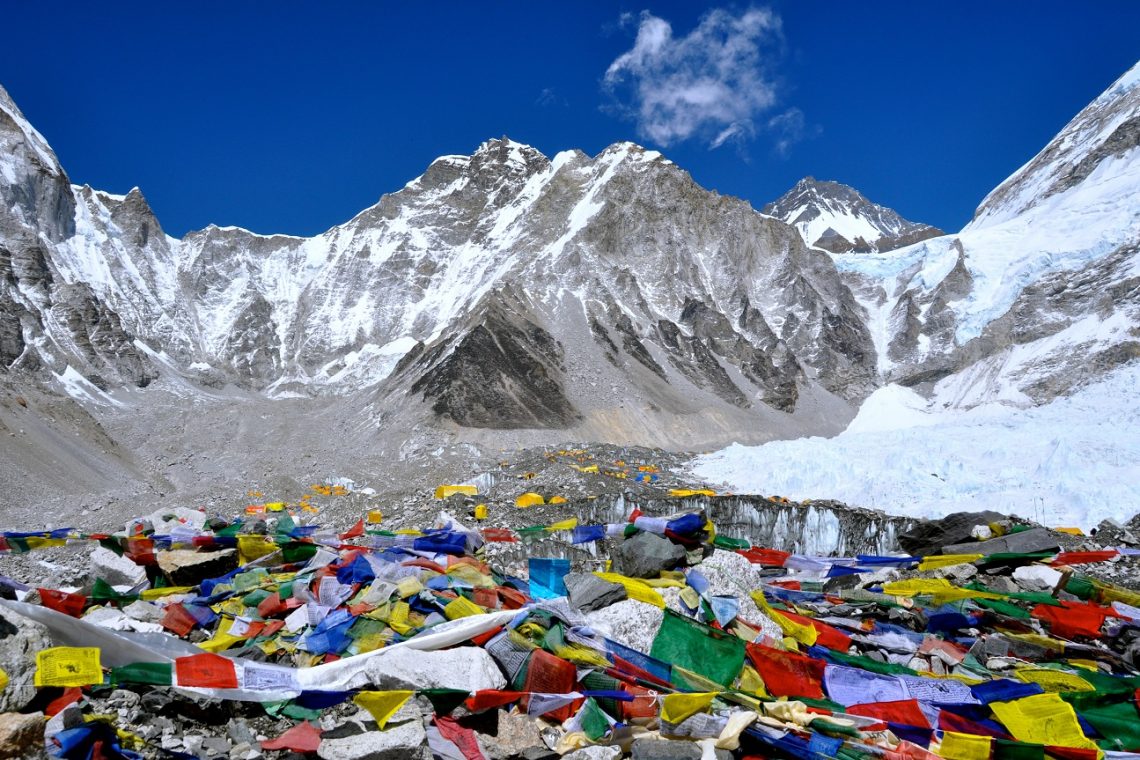
The Annapurna region has long been revered by locals as a sacred Himalayan realm. The quiet valleys, glacial rivers, and high ridges around the North Base Camp carry a deep spiritual calm. Prayer flags, chortens, and local beliefs reflect respect for the mountains, which are seen as living deities. Trekking here feels less like a journey of distance and more like a journey inward—peaceful, humbling, and deeply grounding.
Untouched Natural Wilderness
Annapurna North Base Camp remains largely untouched and rarely trekked. The trail passes through traditional villages, dense forests, high pastures, and rugged alpine terrain. Wildlife sightings, silence, and vast open spaces define this route. In spring, wildflowers brighten the trail; in autumn, clear skies sharpen every Himalayan peak; in winter, the landscape turns into a frozen masterpiece.
Why Annapurna North Base Camp Is Special?
Annapurna North Base Camp Trek is for those who seek true adventure and solitude. It offers the majesty of the Annapurna Himalayas without crowds, commercialization, or noise. Standing beneath the towering face of Annapurna I, surrounded by glaciers and absolute silence, feels like stepping into a hidden world untouched by time.
This trek is not just about reaching a destination—it’s about experiencing the raw soul of the Himalayas. For trekkers looking beyond popular routes and craving authenticity, Annapurna North Base Camp is a rare and unforgettable Himalayan treasure.
Trek Highlights
Annapurna North Base Camp Trek Highlights
Explore the remote and untouched Annapurna North Base Camp, far from crowded trekking routes.
Enjoy breathtaking views of Annapurna I (8,091m), the 10th highest mountain in the world, from close proximity.
Trek through pristine forests, alpine pastures, and glacial valleys, showcasing raw Himalayan wilderness.
Walk along the Maurice Herzog Trail, following the historic route of the first successful ascent of Annapurna.
Experience authentic local village life and traditional mountain culture in less-visited settlements.
Witness dramatic landscapes with icefalls, moraines, waterfalls, and towering rock faces.
Enjoy a true off-the-beaten-path adventure, offering solitude and deep connection with nature.
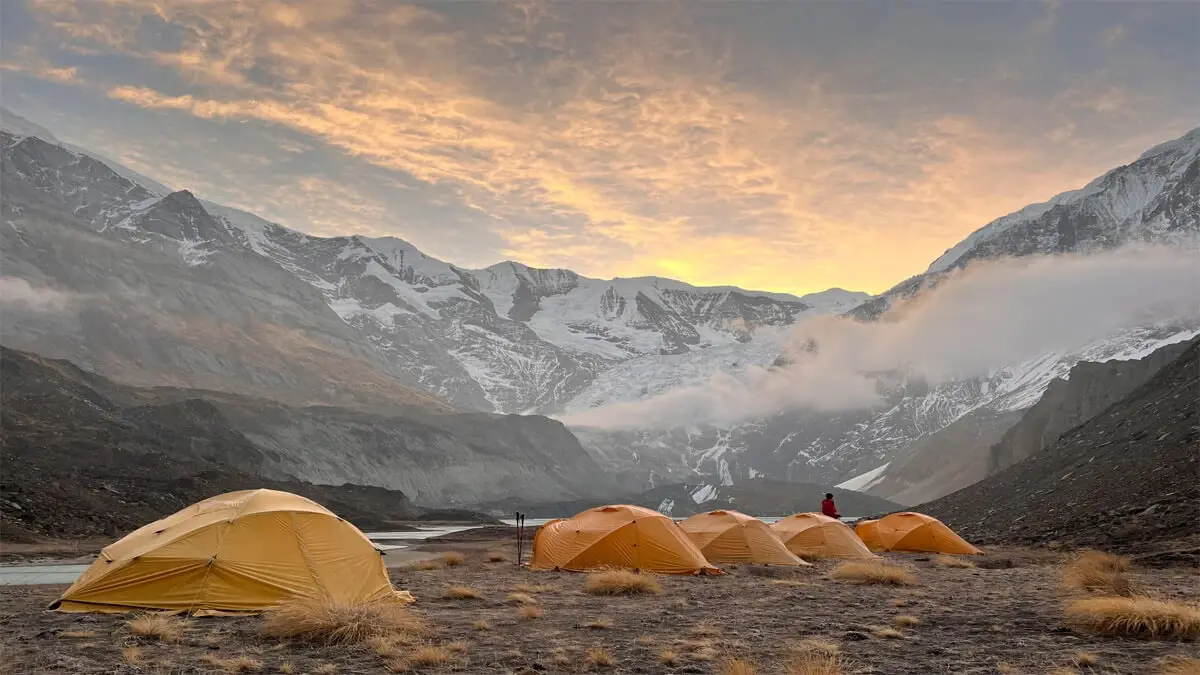
Camp or stay in basic teahouses, experiencing simple living amid the high Himalayas.
Capture stunning photography opportunities of snow-capped peaks and rugged terrain.
Ideal for trekkers seeking adventure, history, and pristine natural beauty in the Annapurna region.
Trip Plan
Day 01: Arrival in Kathmandu
+
Arrive in Kathmandu, Nepal’s bustling capital. After airport transfer, settle into your hotel. You can relax, explore the lively Thamel area, or attend a pre-trek briefing to prepare for the journey ahead.
Day 02: Drive from Kathmandu to Pokhara
+
Travel by scenic road through hills, rivers, and rural villages to Pokhara, a serene city famous for Phewa Lake, mountain views, and a relaxed atmosphere. Overnight stay in Pokhara.
Day 03: Drive from Pokhara to Tatopani and Trek to Upper Narchyang
+
Drive through rugged mountain roads to Tatopani, then begin trekking along forested trails and traditional villages. Reach Upper Narchyang, where you’ll stay overnight surrounded by quiet Himalayan scenery.
Day 04: Trek from Upper Narchyang to Chhotepa
+
Trek through peaceful highland trails, passing small villages and terraced fields. The trail gradually ascends, offering stunning views of the surrounding peaks and a taste of local culture.
Day 05: Trek from Chhotepa to Sandhi Kharka
+
Continue ascending into alpine terrain with open valleys, scattered rhododendron forests, and distant snow-capped peaks. Arrive at Sandhi Kharka, a high pasture with panoramic mountain vistas.
Day 06: Trek from Sandhi Kharka to Annapurna North Base Camp
+
Trek through glacial valleys and rocky paths to reach Annapurna North Base Camp. Enjoy close-up views of Annapurna I, Fang, and surrounding glaciers—the perfect spot for photography and soaking in the raw Himalayan wilderness.
Day 07: Trek from Annapurna North Base Camp to Sandhi Kharka
+
Descend back to Sandhi Kharka along the same scenic trail, enjoying different perspectives of the mountains and alpine valleys. Overnight stay provides rest after the high-altitude trek.
Day 08: Trek from Sandhi Kharka to Thulo Bugin
+
Trek across high alpine ridges and meadows with stunning mountain panoramas. The trail offers a mix of rugged paths and open vistas, giving a sense of isolation and adventure.
Day 09: Trek from Thulo Bugin to Lete
+
Begin descending through lush forests and river valleys toward Lete. The environment gradually changes from alpine to subtropical, offering a refreshing contrast after high-altitude trekking.
Day 10: Drive from Lete to Pokhara
+
Drive back to Pokhara, passing through scenic valleys and rural settlements. Arrive in Pokhara for relaxation, sightseeing, or enjoying the city’s lakeside ambiance.
Day 11: Drive from Pokhara to Kathmandu
+
Return to Kathmandu by road. The drive offers views of terraced hills, rivers, and traditional villages, completing the journey from the remote Annapurna region to the capital.
Day 12: Final Departure or Onward Journey
+
Depending on your flight schedule, transfer to the airport for departure, or continue your travel to the next destination.
Cost Details
Included
Private vehicle transfer Kathmandu – trek starting point (pre-trek)
Experienced English-speaking trekking guide
Three meals per day (breakfast, lunch, dinner) during the trek
Accommodation during the trek (tea houses/lodges or camping as required)
Sleeping bag and duffel bag (provided if required)
Annapurna Conservation Area Permit (ACAP) and TIMS permit
First aid kit carried by the guide
Private vehicle transfer trek endpoint – Kathmandu (post-trek)
Not Included
Lunches and dinners in Kathmandu and Pokhara
Personal expenses during the trek (battery charging, laundry, phone calls, hot showers)
Personal trekking gear and equipment (clothing, sleeping bag, trekking shoes, etc.)
Drinks, bar bills, and other personal purchases
Domestic flights between Kathmandu and Pokhara
Travel insurance (including emergency evacuation and rescue)
Monument entrance fees during the trek
Other Basic Information
Basic Information About Annapurna North Base Camp Trek
1. Location:
Annapurna North Base Camp Trek is located in the Myagdi district of western Nepal, on the northern side of the Annapurna massif. This remote and less-explored trek lies between the Annapurna and Dhaulagiri regions and offers a true wilderness experience far from crowded trekking routes.
2. Altitude:
The trek reaches its highest point at Annapurna North Base Camp (4,190 meters). From the base camp, trekkers enjoy dramatic close-up views of Annapurna I (8,091 m), Annapurna Fang, Tilicho Peak, Nilgiri, and surrounding glaciers.
3. Trek Duration:
The Annapurna North Base Camp Trek typically takes 10–14 days, depending on the itinerary, acclimatization days, and route variations. It is suitable for trekkers looking for an adventurous and less-commercialized Himalayan trek.
4. Difficulty Level:
This trek is considered challenging due to its remote location, limited infrastructure, high altitude, and rugged terrain. Prior trekking experience, good physical fitness, and proper preparation are strongly recommended.
5. Best Seasons:
Spring (March–May): Stable weather, clear mountain views, and blooming alpine vegetation. Autumn (September–November): Best season with excellent visibility and favorable trekking conditions. Winter (December–February): Extremely cold with heavy snowfall; trekking is not recommended. Monsoon (June–August): Trails are slippery and leech-infested; landslides may occur.
6. Accommodation & Food:
Accommodation is very basic, mainly in tent camps or simple local lodges in lower villages. Facilities are limited, and trekkers often need to carry food supplies. Meals include dal bhat, simple soups, noodles, and packaged food during camping nights.
7. Permits Required:
Trekkers need: a. Annapurna Conservation Area Permit (ACAP) b. TIMS (Trekkers’ Information Management System) Card
8. Culture & Nature:
The trek passes through traditional Magar and Gurung villages, dense forests, alpine meadows, and glacial valleys. Due to limited human settlements, the route offers pristine natural beauty and rich biodiversity.
9. Connectivity & Safety:
Mobile network coverage is very limited or unavailable beyond lower villages. Trekkers should carry all essential gear, emergency supplies, and warm clothing. Hiring an experienced guide is highly recommended for navigation and safety in this remote region.
FAQs
Q1. Is travel insurance mandatory for the Annapurna North Base Camp Trek?+
While not legally mandatory, travel insurance covering medical emergencies, evacuation, and trekking is strongly recommended.
Q2. Can I trek without a guide, or is it recommended to hire one?+
Independent trekking is possible, but hiring a guide is recommended for navigation, local knowledge, and safety.
Q3. What is the best season for the Annapurna North Base Camp Trek?+
The best seasons are Spring (March–May) and Autumn (September–November) for clear skies and pleasant weather.
Q4. What are the food and accommodation arrangements during the trek?+
Food and lodging are available in teahouses along the route, offering basic meals and rooms. Carry snacks for remote sections.
Q5. How challenging is the trek?+
It is a moderate to challenging trek, with gradual ascents and some steep sections. Proper fitness and acclimatization are recommended.
Q6. Do I need TIMS and other permits?+
Yes, you need the TIMS (Trekkers’ Information Management System) card and Annapurna Conservation Area Permit (ACAP).
Q7. What is the route to Annapurna North Base Camp?+
The trek typically starts from Jomsom or Muktinath, passing through villages such as Tilicho Base, Manang, and Thorong Phedi, depending on the itinerary.
Q8. What should I pack for the trek?+
Essential items: trekking shoes, layered clothing, warm jacket, water bottle, trekking poles, personal medications, sunscreen, and headlamp.
Q9. Is the Annapurna North Base Camp Trek fully camping-based?+
No, it is primarily a teahouse trek, with accommodation and meals available along the route. Camping is optional for certain sections.
Q10. Are there any additional tips for preparing for the Annapurna North Base Camp Trek?+
Yes, to ensure a safe and enjoyable trek: maintain good physical fitness through regular cardio and hill training, acclimatize properly to prevent altitude sickness, carry sufficient cash as ATMs are limited, stay hydrated, monitor weather conditions, and pack essential gear including warm clothing, trekking shoes, and a first-aid kit.