Annapurna Dhaulagiri Trek: Between Two Himalayan Giants
The Annapurna Dhaulagiri Trek is a spectacular and adventurous journey that links the mighty Annapurna and Dhaulagiri massifs—home to two of the world’s highest peaks, Annapurna I (8,091m) and Dhaulagiri (8,167m). This trek offers a rare blend of dramatic landscapes, cultural diversity, and true wilderness, making it one of Nepal’s most rewarding long-distance treks.
The Beauty of the Trek
Traveling through deep valleys and high alpine terrain, the trail unveils breathtaking Himalayan scenery:
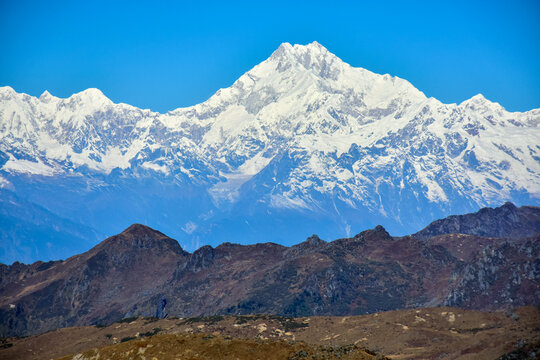
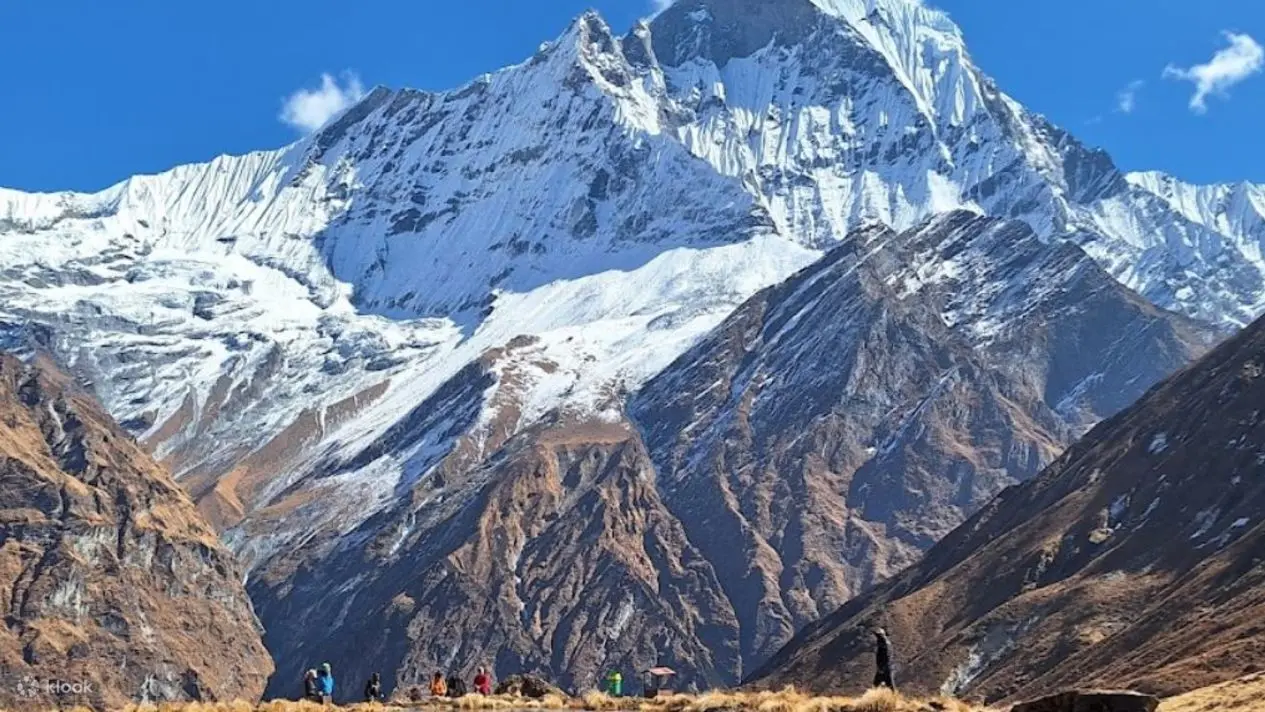
- Close-up views of Dhaulagiri, Annapurna South, Nilgiri, and Machhapuchhre,
- Remote glacial valleys, moraines, and high mountain passes,
- Lush forests, terraced farmlands, and cascading waterfalls in the lower regions,
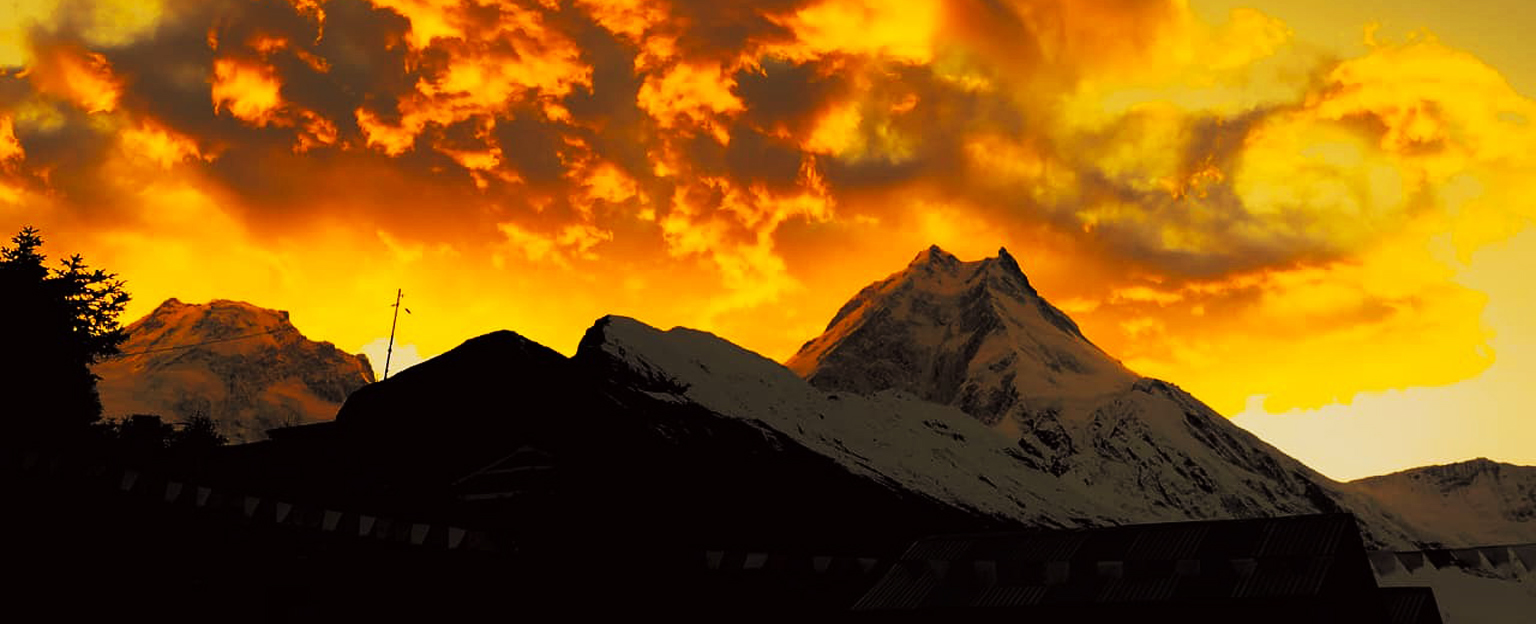
- Expansive ridges and viewpoints offering unforgettable sunrise and sunset panoramas.
Each day reveals a powerful contrast of landscapes, from subtropical greenery to icy high-altitude wilderness.
Culture and Traditional Villages
The trek passes through Magar and Gurung villages, where ancient traditions and warm hospitality define daily life. Along the way, trekkers encounter:
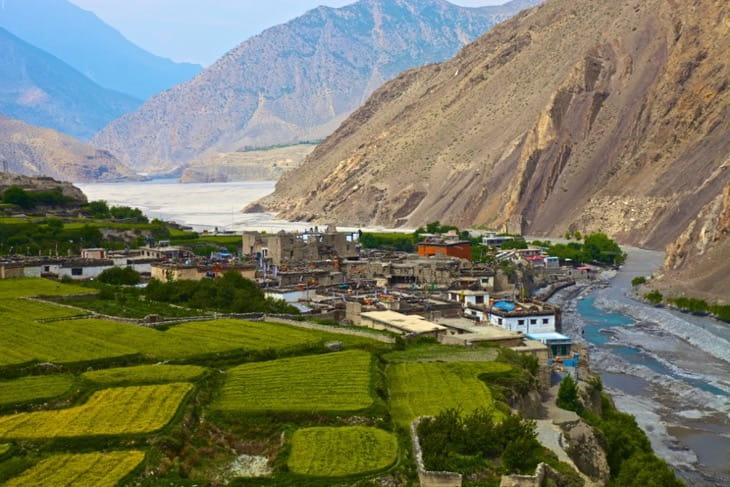
- Stone houses and terraced fields,
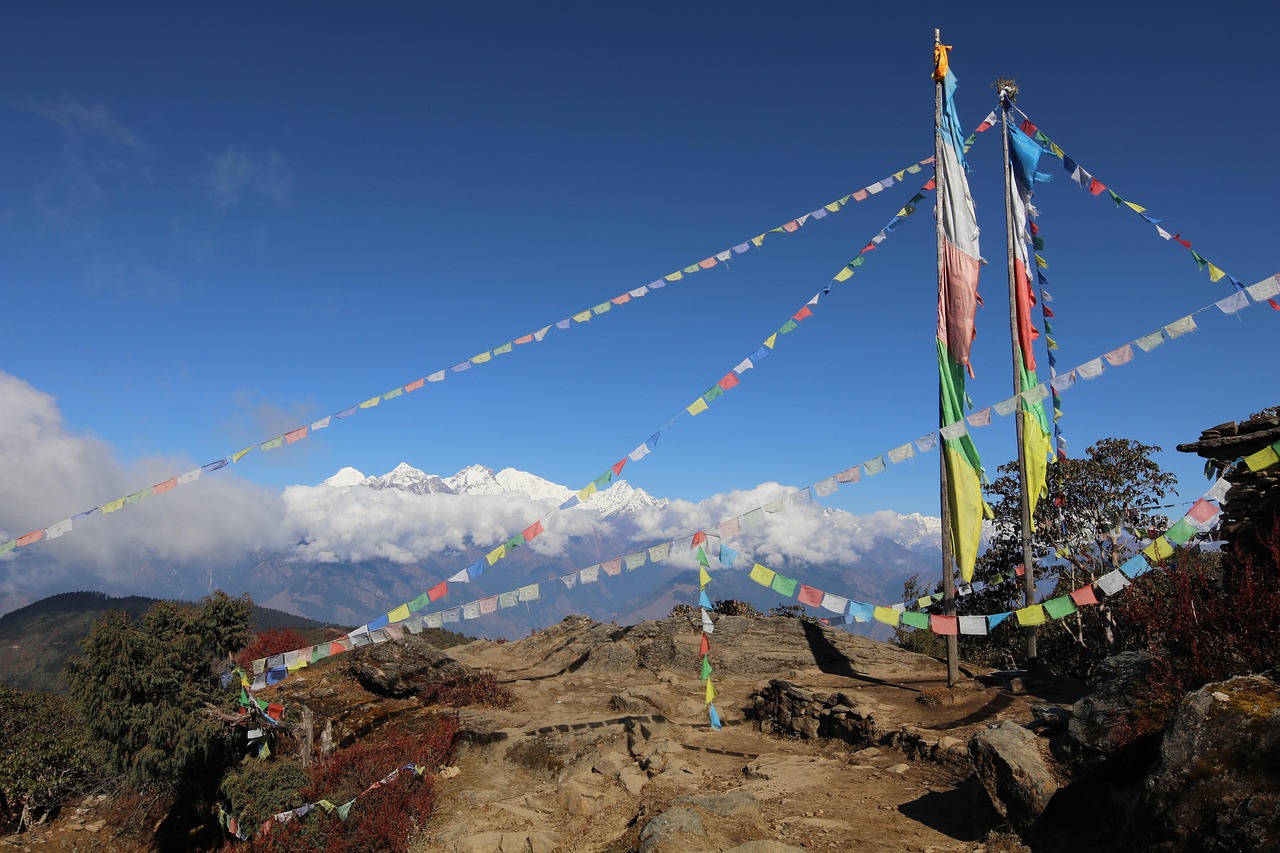
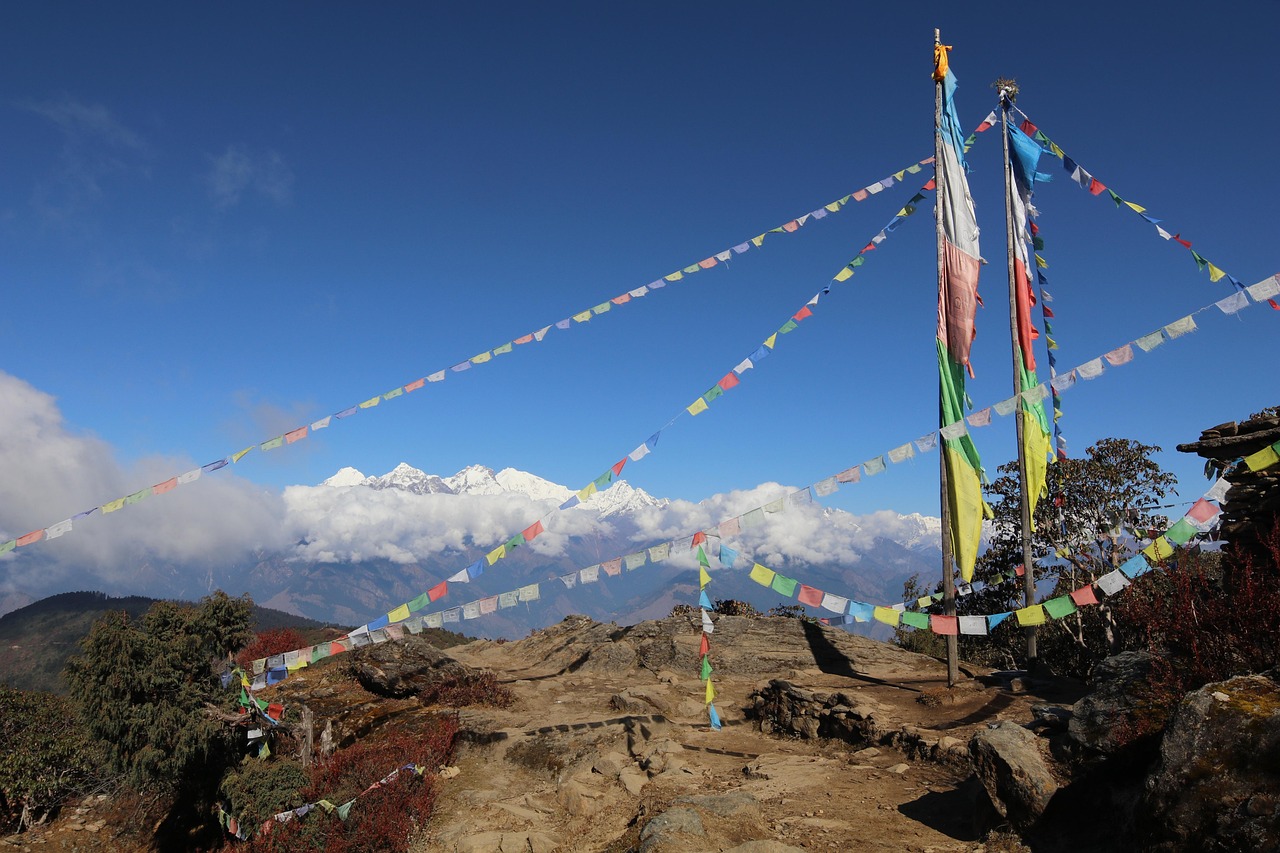
- Buddhist prayer flags, monasteries, and Hindu shrines,
- A rich cultural mix shaped by both the Annapurna and Dhaulagiri regions.
This cultural interaction adds depth and meaning to the trekking experience.
Remote Adventure and Wilderness
Less traveled than classic Annapurna routes, the Annapurna Dhaulagiri Trek offers true Himalayan solitude. Remote trails, high passes, and rugged terrain create a sense of pure adventure, ideal for experienced trekkers seeking an off-the-beaten-path experience.
Why the Annapurna Dhaulagiri Trek Is Special?
This trek is a journey between two Himalayan legends, offering raw nature, cultural richness, and epic mountain views. Standing in remote valleys surrounded by towering peaks, trekkers feel the immensity and timeless power of the Himalayas.
For those seeking a challenging, scenic, and deeply immersive Himalayan adventure, the Annapurna Dhaulagiri Trek is an extraordinary experience—where two giants meet, and wilderness reigns supreme.
Basic Information About Annapurna–Dhaulagiri Trek
1. Location:
The Annapurna–Dhaulagiri Trek is a spectacular high-altitude journey through central Nepal, lying between the Annapurna and Dhaulagiri mountain ranges. This remote, less-crowded trek passes through the Annapurna Conservation Area and the Dhaulagiri region, offering dramatic landscapes, deep river valleys, alpine meadows, and glacial terrain.
2. Altitude:
The trek reaches high elevations with key highlights including French Pass (5,360m) and Dhampus Pass (5,250m). Along the route, trekkers are rewarded with close-up views of Dhaulagiri (8,167m), Annapurna I, Annapurna South, Machhapuchhre, Nilgiri, and Tukuche Peak.
3. Trek Duration:
The Annapurna–Dhaulagiri Trek usually takes 18–21 days, depending on the itinerary and acclimatization schedule. The journey combines remote trekking sections with high mountain pass crossings, making it a true wilderness adventure.
4. Difficulty Level:
This trek is considered very challenging due to its high altitude, long trekking days, steep ascents, glacier crossings, and limited infrastructure. It is best suited for experienced trekkers with strong endurance and prior high-altitude trekking experience.
5. Best Seasons:
- Spring (March–May) offers stable weather, blooming alpine flowers, and excellent mountain views.
- Autumn (September–November) is the most popular season, featuring clear skies, dry trails, and crisp visibility.
Winter and monsoon seasons are not recommended due to heavy snowfall, avalanches, and difficult trail conditions.
6. Accommodation & Food:
Accommodation ranges from teahouses in lower villages to tented camping in remote, high-altitude areas such as the Hidden Valley. Meals include dal bhat, rice, noodles, soups, potatoes, and simple high-energy foods prepared by trekking staff during camping nights.
7. Permits Required:
Trekkers require an Annapurna Conservation Area Permit (ACAP). If camping is involved, special camping arrangements and coordination with local authorities are necessary.
8. Culture & Lifestyle:
The lower regions of the trek pass through Gurung, Magar, and Thakali villages, offering insight into traditional mountain lifestyles. As the trail ascends, the landscape becomes more remote and rugged, highlighting the raw beauty of the Himalayas and a deep sense of wilderness.
9. Connectivity & Safety:
Mobile network coverage is limited and often unavailable in higher and remote sections. Due to the demanding nature of the trek, proper acclimatization, experienced guides, camping support, and emergency evacuation planning are essential for safety.
1. What is the Annapurna Dhaulagiri Trek?
+
The Annapurna Dhaulagiri Trek is a remote and adventurous trekking route that connects the Annapurna and Dhaulagiri mountain ranges, crossing high passes such as French Pass (5,360m) and Dhampus Pass (5,240m) through some of Nepal’s most dramatic landscapes.
2. How long does the Annapurna Dhaulagiri Trek take?
+
The trek typically takes 18 to 22 days, depending on the itinerary, acclimatization, and weather conditions.
3. Who can do the Annapurna Dhaulagiri Trek?
+
This trek is suitable for experienced trekkers with good physical fitness and previous high-altitude trekking experience, as it involves long days, steep ascents, and camping sections.
4. When is the best time to trek?
+
Spring (April–May) – stable weather and clear mountain views
Autumn (September–October) – best visibility and trekking conditions
5. What permits are required?
+
Annapurna Conservation Area Permit (ACAP)
TIMS Card
Additional local permits if applicable
6. What type of accommodation is available?
+
Accommodation includes teahouses in lower regions and fully supported camping in remote and high-pass areas.
7. Are meals provided during the trek?
+
Yes, meals are provided throughout the trek—teahouse meals in villages and freshly cooked meals during camping sections by trekking staff.
8. Is the Annapurna Dhaulagiri Trek safe?
+
The trek is safe when undertaken with experienced guides, proper acclimatization, and adequate support, though it is considered a challenging and remote expedition-style trek.
9. Where does the Annapurna Dhaulagiri Trek start and end?
+
The trek usually starts from Beni or Darbang and ends in the Annapurna region after crossing high mountain passes.
10. Can I hire a porter for this trek?
+
Yes, porters are highly recommended and usually included, as the trek requires carrying camping gear and supplies.
11. What makes the Annapurna Dhaulagiri Trek special?
+
This trek is special for its wilderness experience, dramatic scenery of Dhaulagiri I (8,167m) and the Annapurna range, glacier crossings, high passes, minimal crowds, and the sense of achievement from completing one of Nepal’s most demanding treks.