Lower Dolpo Trek: Into Nepal’s Timeless Himalayan Wilderness
The Lower Dolpo Trek leads adventurers into one of Nepal’s most remote, mystical, and culturally preserved regions. Tucked behind the Dhaulagiri range in western Nepal, Dolpo is a land of high deserts, turquoise lakes, ancient monasteries, and Tibetan-influenced culture—a place where time seems to stand still.
The Beauty of Lower Dolpo
Lower Dolpo’s landscapes are dramatic and otherworldly, shaped by wind, stone, and silence:
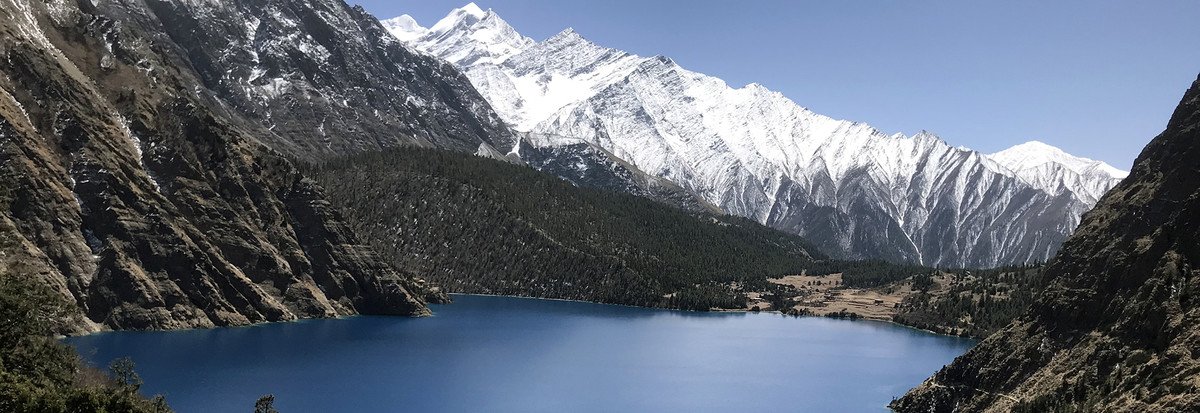
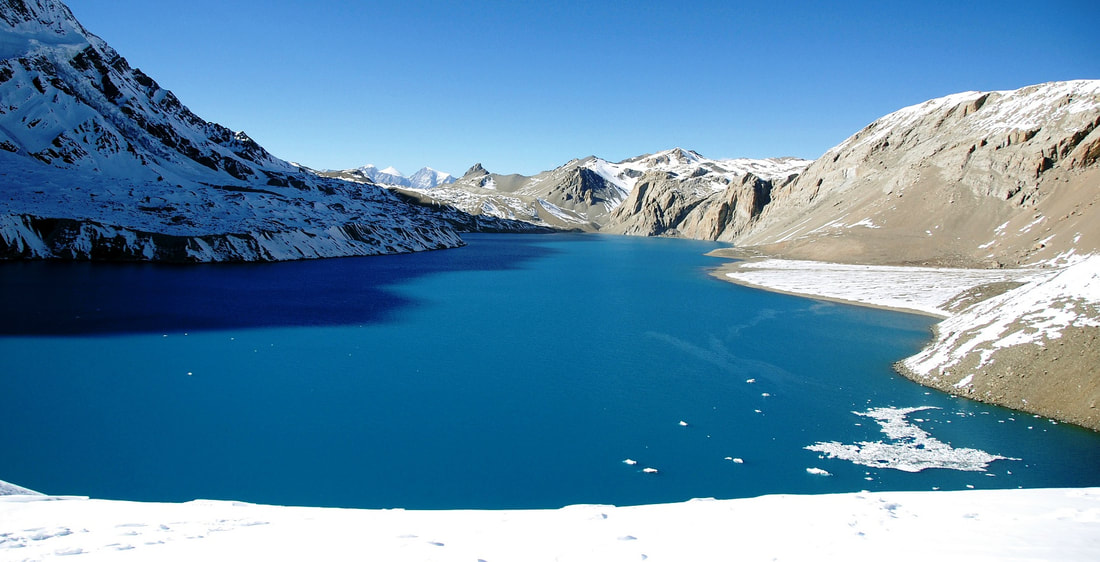
- The stunning Phoksundo Lake, Nepal’s deepest and most beautiful alpine lake, glowing in shades of turquoise and blue,
- Sheer cliffs, deep gorges, and barren high-altitude plateaus,
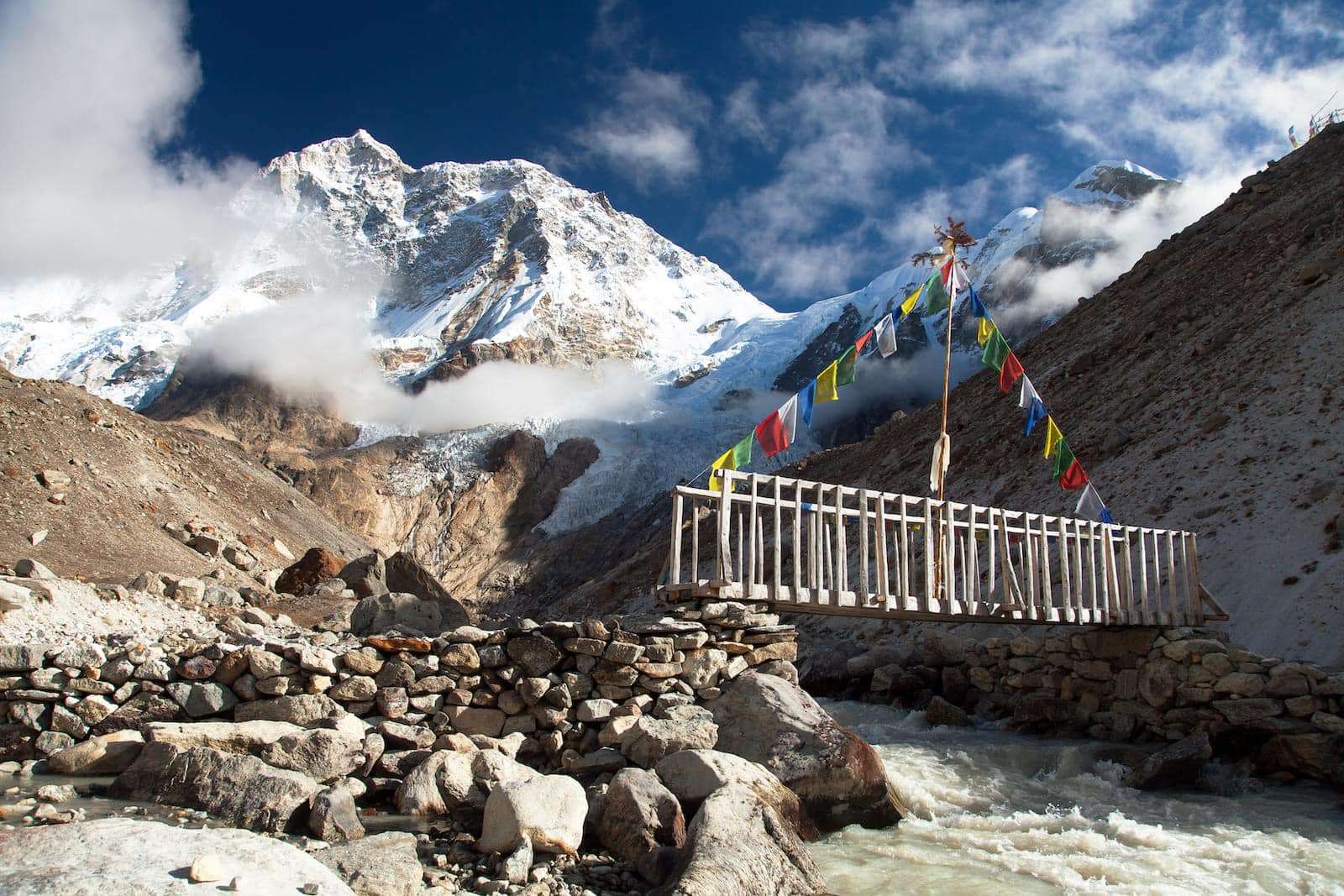
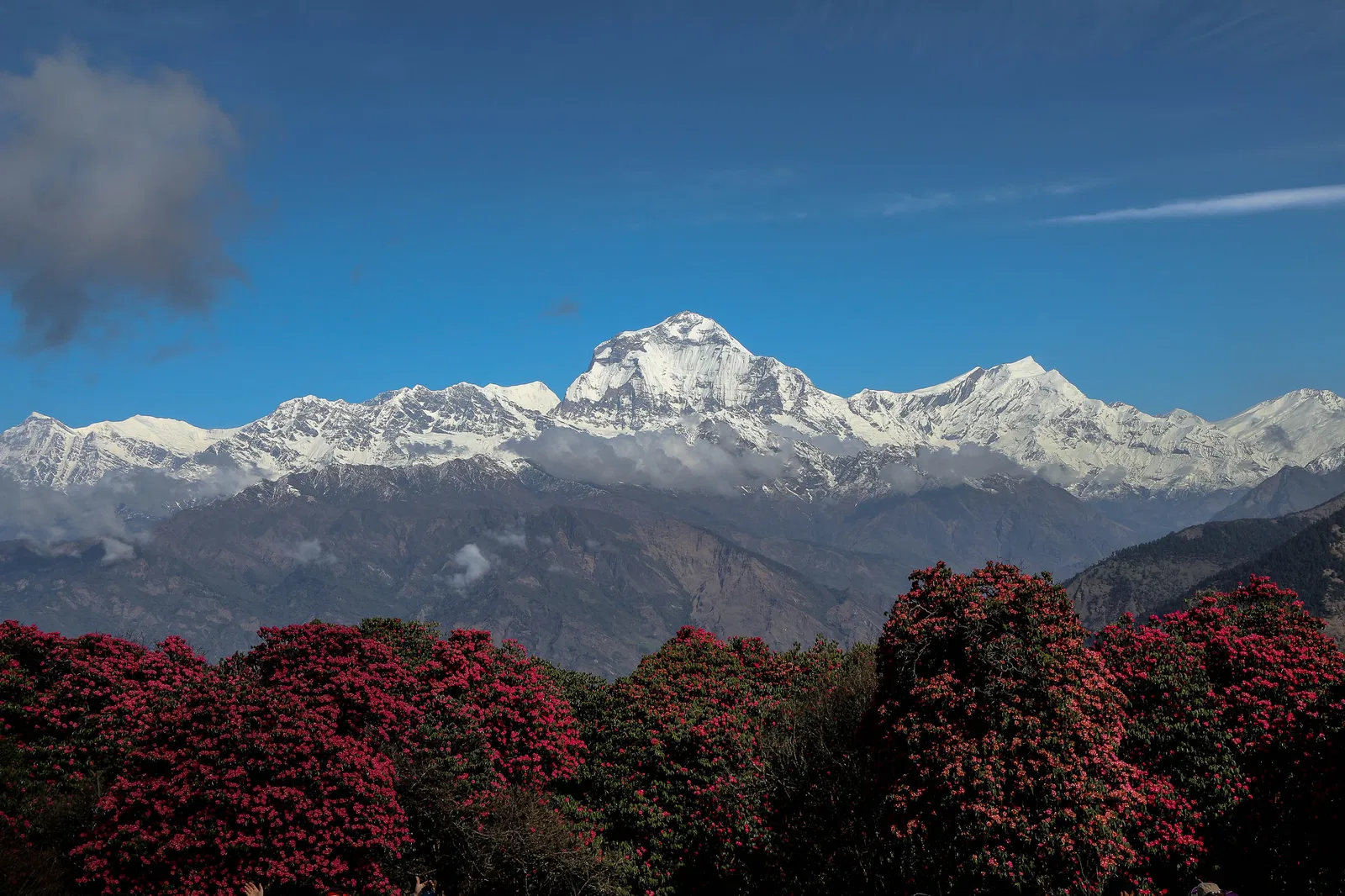
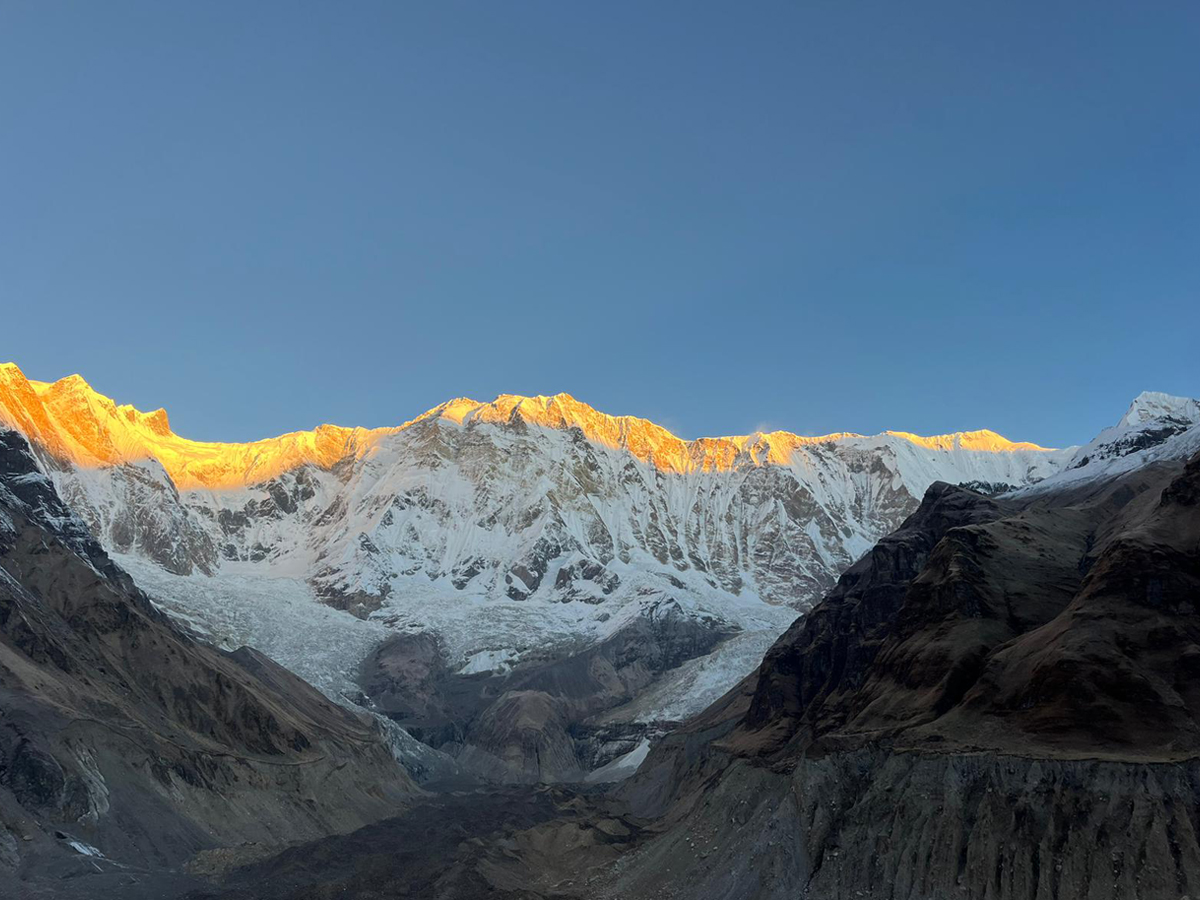
- Views of Kanjiroba Himal, Dhaulagiri range, and surrounding snow-capped peaks,
- Waterfalls, yak pastures, and quiet river valleys carved into the rugged terrain.
Each day reveals a landscape that feels wild, vast, and untouched.
Ancient Culture and Spiritual Life
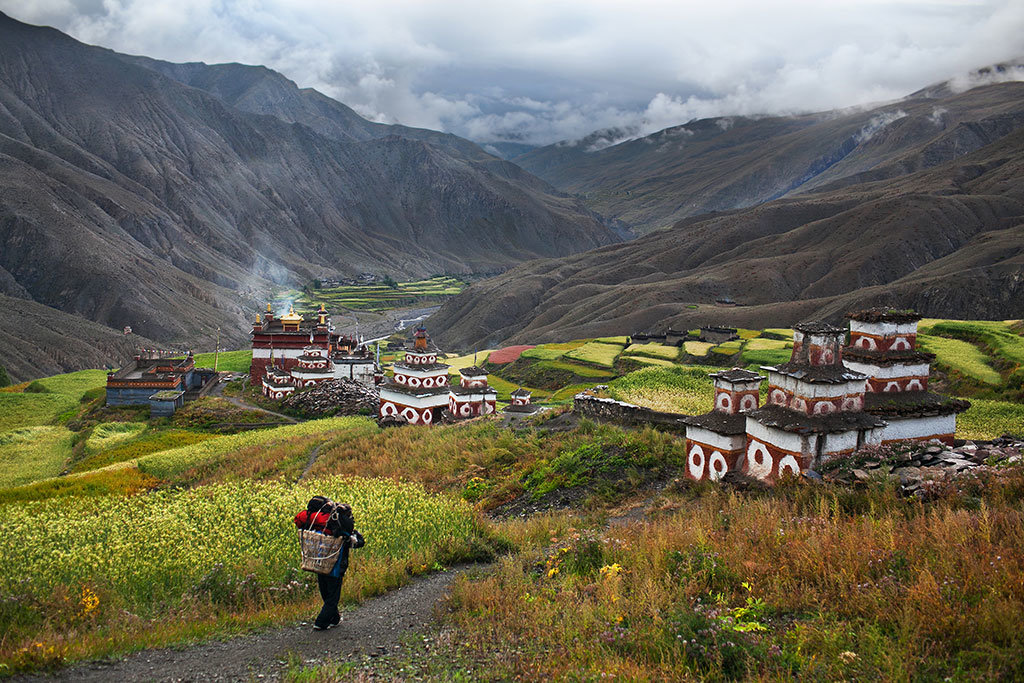
Dolpo is strongly influenced by Tibetan Buddhism and the ancient Bon religion. The trail passes through remote villages where prayer flags, mani walls, and centuries-old monasteries reflect deeply rooted spiritual traditions.
Monasteries such as Shey Gompa and sacred sites around Phoksundo Lake give the trek a powerful spiritual presence, offering travelers insight into a culture preserved for generations.
True Remoteness and Wilderness
Lower Dolpo is one of Nepal’s least-visited trekking regions, accessible only through long trails and high passes. This isolation has protected its landscapes and culture, providing trekkers with:
- Profound silence,
- Raw, untouched scenery,
- A deep sense of exploration and solitude.
Here, nature dominates, and human life exists in quiet harmony with the land.
Why the Lower Dolpo Trek Is Special?
The Lower Dolpo Trek is for those who seek true wilderness, ancient culture, and spiritual depth. Standing beside the turquoise waters of Phoksundo Lake or walking through wind-sculpted valleys, you feel a rare connection to a world untouched by modern time.
For travelers yearning for a remote, soul-stirring Himalayan adventure, the Lower Dolpo Trek is a journey into Nepal’s most mystical and enduring landscapes—where mountains, silence, and ancient traditions exist in perfect balance.
Basic Information About Rara Lake Yoga Trek
1. Location:
The Rara Lake Yoga Trek is located in the remote Karnali region of northwestern Nepal. This trek combines serene yoga and meditation sessions with a journey to Rara Lake, the largest lake in Nepal, surrounded by the pristine Rara National Park. It offers a peaceful Himalayan experience far from crowded trails.
2. Altitude:
The trek reaches a maximum altitude of around 3,100 meters near Rara Lake. From this vantage point, trekkers can enjoy panoramic views of the surrounding Himalayan peaks and the crystal-clear waters of the lake, reflecting the mountains and sky.
3. Trek Duration:
This is a short to moderate trek, usually completed in 7–10 days, making it suitable for travelers seeking a combination of trekking, yoga, and meditation in a tranquil natural setting.
4. Difficulty Level:
The trek is considered moderate. Trails involve gentle to moderate ascents, forested paths, and some steep sections near viewpoints. A reasonable level of fitness is recommended, and trekking poles are useful on uneven terrain. Daily yoga sessions help maintain strength and flexibility during the trek.
5. Best Seasons:
Spring (March–May) offers blooming rhododendrons, pleasant temperatures, and clear views.
Autumn (September–November) provides stable weather, crisp air, and excellent visibility.
Winter (December–February) is cold, especially at higher elevations, but offers quiet trails and fewer trekkers.
Monsoon (June–August) brings lush greenery, occasional rainfall, and limited visibility.
6. Accommodation & Food:
Accommodation is in teahouses, lodges, and homestays, offering basic but comfortable facilities, often with shared bathrooms. Meals include dal bhat (rice and lentils), noodles, soups, momos, eggs, and tea or coffee. Yoga sessions often include light refreshments and herbal teas.
7. Permits Required:
Trekkers need Rara National Park Entry Permit and a TIMS (Trekkers’ Information Management System) Card. Permits can be arranged in Kathmandu or at the park's entry points.
8. Culture & Spirituality:
The trek passes through remote villages inhabited by the Chhetri and Thakuri communities, providing insight into local culture and traditions. Yoga and meditation sessions at the lake and viewpoints create a deeply spiritual and rejuvenating experience.
9. Connectivity & Safety:
Mobile network coverage is limited due to the region's remoteness. Trekkers should carry warm clothing, trekking gear, water, snacks, and a basic first-aid kit. Proper acclimatization is important, especially for the higher sections near the lake.
1. What is the Lower Dolpo Trek?
+
The Lower Dolpo Trek is a remote and culturally rich trekking adventure in western Nepal, known for its ancient Tibetan-influenced villages, dramatic landscapes, and untouched wilderness.
2. How long does the trek take?
+
The trek typically takes 12–16 days, depending on the itinerary, acclimatization days, and chosen route.
3. Who can do this trek?
+
This trek is suitable for physically fit trekkers with some prior trekking experience, as it involves long walking days and remote conditions.
4. When is the best time to trek?
+
Spring (April–June): Clear skies, mild temperatures, and blooming landscapes
Autumn (September–October): Stable weather and excellent mountain views
5. What permits do I need?
+
Lower Dolpo Restricted Area Permit
Shey Phoksundo National Park Permit
TIMS Card
6. What type of accommodation is available?
+
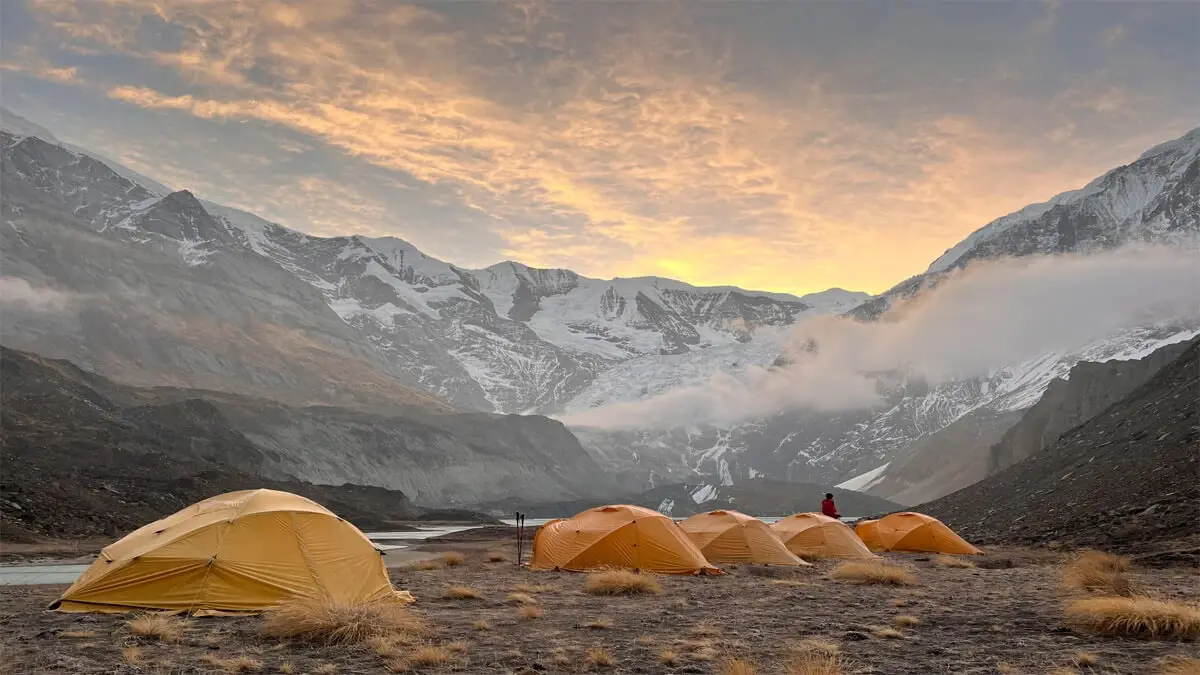
Accommodation includes basic teahouses, homestays, and camping in more remote sections of the trek.
7. Are meals included?
+
Meals are provided during the trek, usually consisting of local Nepali and Tibetan-style food, especially on camping-based itineraries.
8. Is the Lower Dolpo Trek safe?
+
Yes, it is safe when done with experienced guides, proper acclimatization, and organized logistics, as the region is isolated.
9. Where does the trek start?
+
The trek usually starts from Juphal, reached by a short flight from Nepalgunj.
10. Can I hire a porter?
+
Yes, porters and pack animals are commonly used to carry luggage and supplies due to the trek’s remote nature.
11. What makes the Lower Dolpo Trek special?
+
The trek is special for its isolated trails, ancient Bon and Buddhist culture, crystal-clear Phoksundo Lake, and raw Himalayan landscapes, offering one of Nepal’s most authentic and least-crowded trekking experiences.