Everest High Passes Trek: Conquering the Roof of the World
The Everest High Passes Trek is one of the most thrilling and rewarding adventures in the Himalayas. This trek takes you through some of the highest and most remote regions of the Khumbu, crossing multiple high passes, witnessing towering Himalayan peaks, and experiencing Sherpa culture at its finest. It is a journey that combines adrenaline, awe-inspiring scenery, and spiritual calm, making it a bucket-list expedition for serious trekkers.
The Majesty of the Everest High Passes
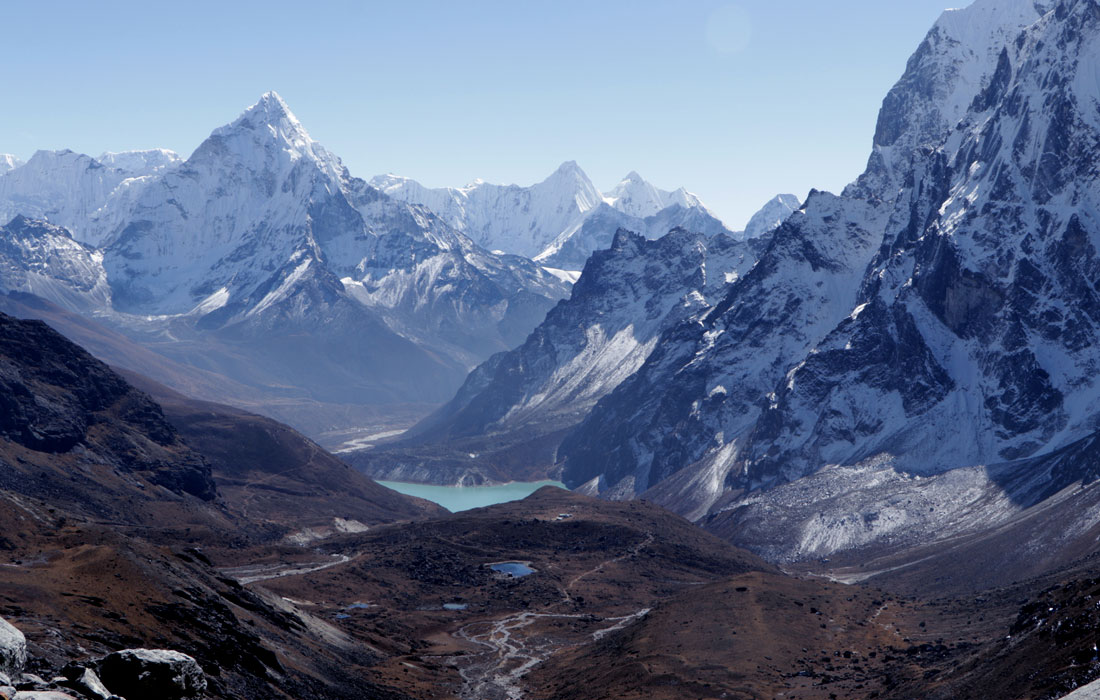
From the trail, trekkers are treated to some of the most dramatic Himalayan vistas imaginable. On clear days, you can witness:
Mount Everest (8,848m) dominating the skyline,
Lhotse and Nuptse forming a massive Himalayan wall,
Makalu and Cho Oyu shimmering in the distance,
Ama Dablam, the iconic beauty of the Khumbu region.
The journey passes through the heart of Sagarmatha National Park, where glaciers, deep valleys, and alpine ridges create a surreal landscape. The high passes—Renjo La, Cho La, and Kongma La—offer panoramic viewpoints, each more breathtaking than the last.
High Passes: A Test of Adventure and Spirit
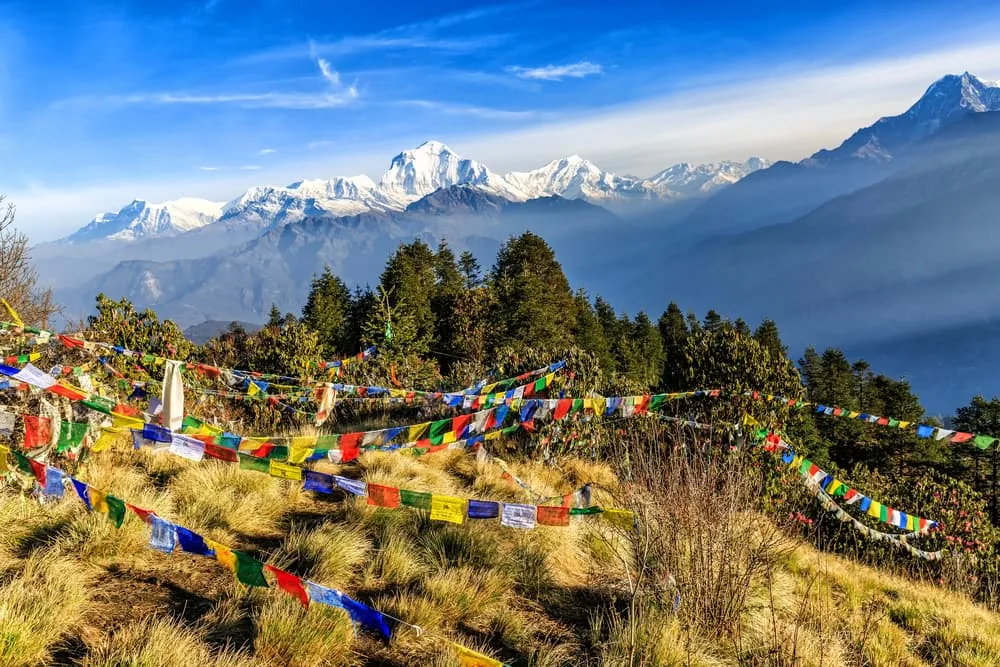
Crossing these passes is not only physically challenging but also spiritually uplifting. The wind whispers through prayer flags, bells chime at mountain monasteries, and the quiet of the high Himalayas creates a sense of profound peace. Sherpa villages along the trail, with their stone houses and mani walls, add cultural depth and a feeling of timeless tradition.
At Tengboche and Pangboche Monasteries, trekkers encounter ancient rituals and prayers, allowing for moments of reflection amidst the grandeur of the world’s tallest peaks.
Untouched Natural Beauty
Unlike busier trails, the High Passes route remains rugged and largely untouched. You trek through rhododendron forests, alpine meadows, glacial moraines, and high-altitude deserts. In spring, the valleys bloom with wildflowers; in winter, they are transformed by snow, making every season unique and spectacular. The combination of dramatic landscapes and minimal crowds makes this trek truly immersive.
Why the Everest High Passes Trek is Special
This trek is a rare opportunity to experience the Himalayas in their purest form. Crossing three major high passes provides a sense of achievement unmatched by conventional routes, while the views of Everest, Lhotse, and Ama Dablam seem almost within reach.
The trail combines adventure, culture, and natural beauty: remote villages, prayer-filled monasteries, fluttering prayer flags, and glaciers create an environment where nature and spirituality coexist in perfect harmony. Unlike popular treks, the High Passes trek allows you to connect deeply with the mountains, enjoying both challenge and serenity.
A Himalayan Journey Like No Other
For those seeking the ultimate Everest experience, the High Passes Trek delivers. Each summit, ridge, and pass brings a new perspective on the grandeur of the Himalayas. Standing on Renjo La, Cho La, or Kongma La, with Everest rising in the distance and prayer flags dancing in the wind, you feel not just like a visitor, but part of a timeless and majestic world.
Basic Information About The Everest High Passes Trek Clockwise
1. Location:
The Everest High Passes Trek, Clockwise, lies in Nepal’s iconic Everest (Khumbu) region, within Sagarmatha National Park. This adventurous circuit takes trekkers through remote valleys, classic Everest trails, and high mountain passes while encircling some of the world’s tallest peaks, including Mount Everest, Lhotse, Makalu, and Cho Oyu.
2. Altitude:
The trek crosses three high mountain passes: Kongma La Pass (5,535m), Cho La Pass (5,420m), and Renjo La Pass (5,360m). The highest viewpoint is Kala Patthar (5,545m), offering unforgettable sunrise and sunset views of Mount Everest and the surrounding Himalayan giants.
3. Trek Duration:
The clockwise High Passes Trek typically takes 18–21 days, allowing sufficient time for acclimatization, exploring Everest Base Camp and the Gokyo Lakes, and a safe crossing of all three passes.
4. Difficulty Level:
This trek is considered very challenging due to its high altitude, long trekking days, steep ascents, glacial crossings, and unpredictable mountain weather. It is recommended for experienced trekkers with strong physical fitness and prior high-altitude trekking experience.
5. Best Seasons:
- Spring (March–May) offers stable weather, colorful rhododendron forests, and excellent mountain visibility.
- Autumn (September–November) is the most popular season with clear skies, dry trails, and crisp mountain views.
The winter and monsoon seasons are less suitable due to heavy snow on passes and unstable weather.
6. Accommodation & Food:
Accommodation is mainly in teahouses and mountain lodges, ranging from basic to comfortable depending on altitude and location. Meals include traditional Nepali dal bhat, soups, noodles, potatoes, momos, eggs, and hot drinks to maintain energy during demanding trekking days.
7. Permits Required:
Trekkers require a Sagarmatha National Park Entry Permit and a Khumbu Pasang Lhamu Rural Municipality Permit. TIMS cards are generally not required for the Everest region.
8. Culture & Lifestyle:
The trail passes through traditional Sherpa villages such as Namche Bazaar, Thame, and Gokyo. Buddhist monasteries, mani walls, prayer wheels, and fluttering prayer flags reflect the deep spiritual culture and mountain lifestyle of the Sherpa people.
9. Connectivity & Safety:
Mobile and internet connectivity are available in major villages, but become limited at higher elevations. Due to altitude-related risks, proper acclimatization, experienced guides, quality trekking gear, and emergency evacuation planning are essential for a safe and successful High Passes adventure.
1. What is the Everest High Passes Trek (Clockwise)?
+
The Everest High Passes Trek (Clockwise) is a challenging and adventurous trek in the Khumbu region that crosses three high mountain passes—Kongma La (5,535m), Cho La (5,420m), and Renjo La (5,360m)—while following a clockwise route that enhances acclimatization and scenic variety.
2. How long does the trek take?
+
The trek typically takes 18–21 days, depending on acclimatization days, side trips, and overall trekking pace.
3. Who can do this trek?
+
This trek is suitable for experienced trekkers with excellent physical fitness and prior high-altitude trekking experience due to long walking days and technical pass crossings.
4. When is the best time to trek?
+
Spring (April–May): Stable weather and clearer trails
Autumn (September–November): Crisp air, clear skies, and best mountain views
5. What permits do I need?
+
Sagarmatha National Park Permit
Khumbu Pasang Lhamu Rural Municipality Permit
6. What type of accommodation is available?
+
Accommodation is in teahouses and mountain lodges, which are basic at higher elevations but comfortable at lower villages like Namche Bazaar and Gokyo.
7. Are meals included?
+
Meals are available at teahouses, offering Nepali, Tibetan, and limited international cuisine. Meal inclusion depends on the trekking package.
8. Is the Everest High Passes Trek safe?
+
Yes, with proper acclimatization, a licensed guide, and favorable weather conditions, the trek is safe. However, altitude sickness and changing weather are the main risks.
9. Where does the trek start?
+
The trek starts from Lukla, followed by Namche Bazaar, Everest Base Camp, Gokyo Valley, and the three high passes in a clockwise loop.
10. Can I hire a porter?
+
Yes, hiring a porter is highly recommended to manage luggage and reduce fatigue, especially on high pass days.
11. What makes the Everest High Passes Trek (Clockwise) special?
+
This trek is special for combining Everest Base Camp, Gokyo Lakes, and three epic high passes into one journey, offering unmatched panoramic Himalayan views, fewer crowds on pass crossings, and a true mountaineering-style adventure in the Everest region.