Everest Base Camp Trek via Gokyo with Helicopter Return – A Perfect Himalayan Adventure
The Everest Base Camp (EBC) Trek via Gokyo with a helicopter return is a dream journey that blends adventure, comfort, and breathtaking scenery. This route is ideal for trekkers who want a richer Himalayan experience without retracing the same path back.
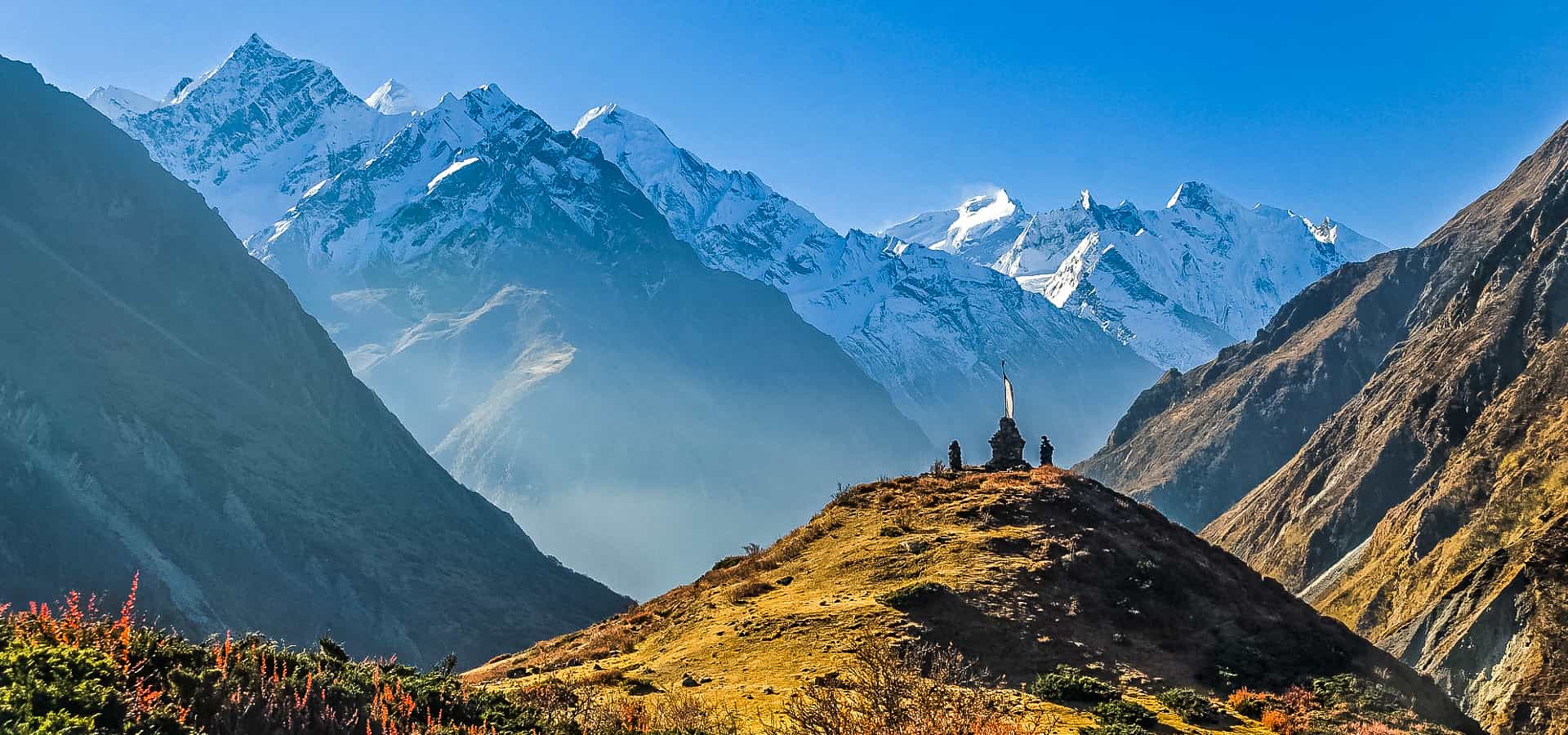
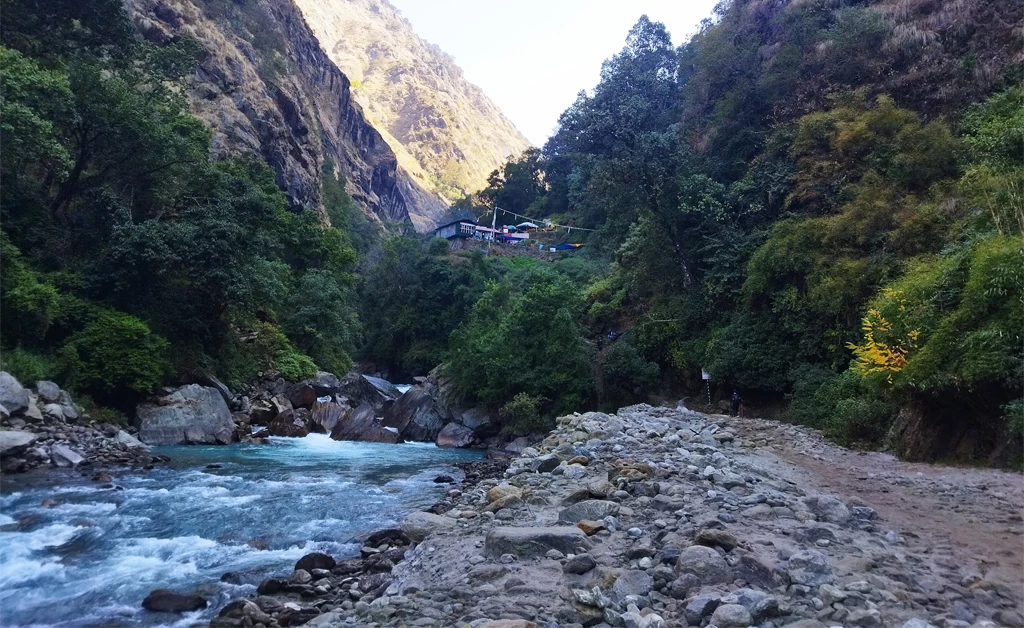
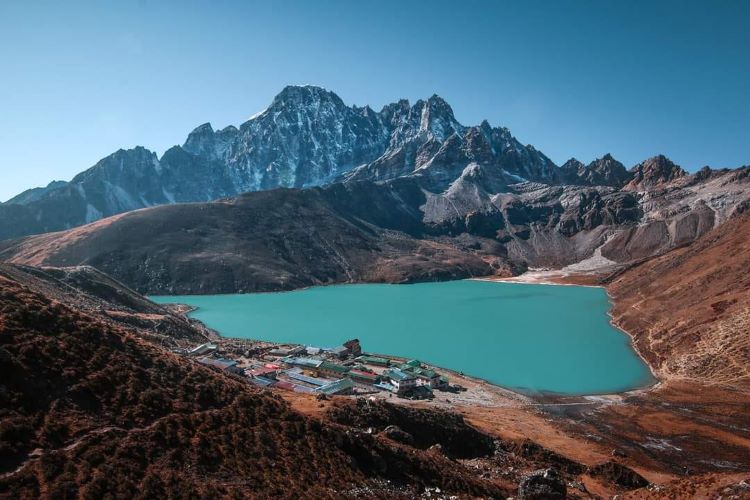
The trek begins with a thrilling flight to Lukla, followed by a gradual walk through traditional Sherpa villages, pine forests, and suspension bridges. Instead of taking the classic EBC trail directly, the route diverts toward the stunning Gokyo Valley, home to a series of turquoise glacial lakes set beneath towering peaks. A highlight of the trek is the climb to Gokyo Ri, which offers one of the best panoramic views in the Khumbu region, including Everest, Lhotse, Makalu, and Cho Oyu.
From Gokyo, the adventure continues across the dramatic Cho La Pass, a high mountain crossing that adds challenge and excitement. The trail then rejoins the classic Everest route, leading to Everest Base Camp and Kala Patthar, the best viewpoint for close-up views of Mount Everest.
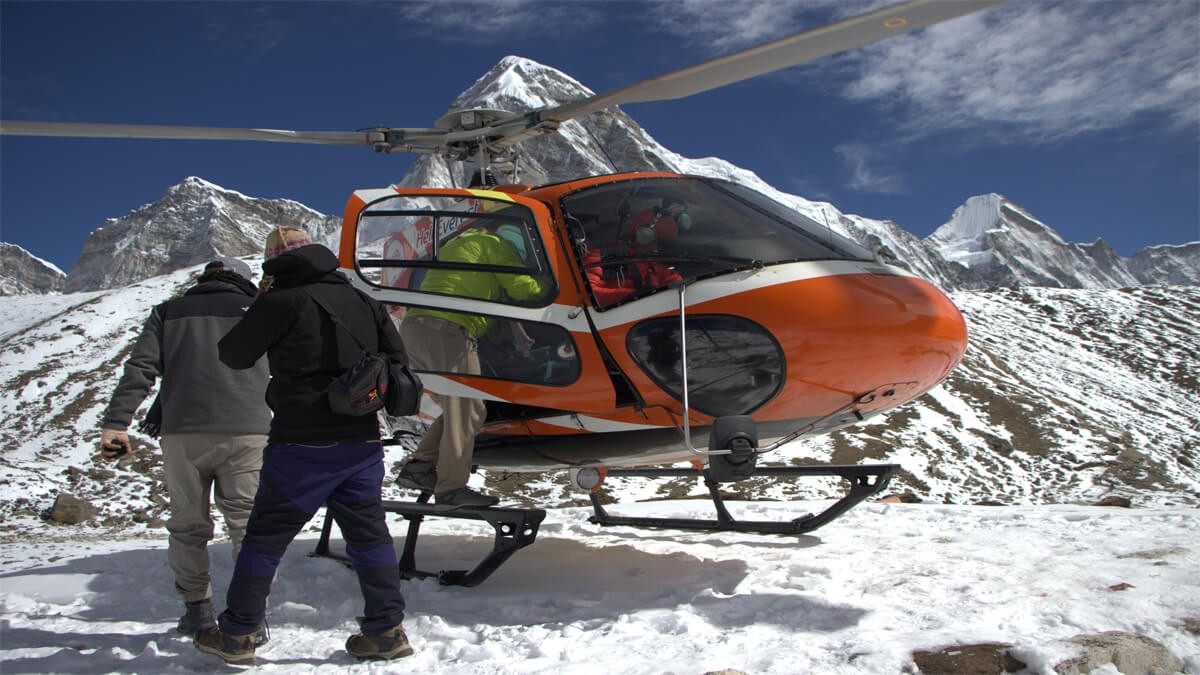
What makes this trek especially appealing is the helicopter return from Gorak Shep or Kala Patthar. Instead of several days of descent, you enjoy a scenic aerial ride over glaciers, valleys, and iconic peaks—saving time and energy while ending the journey in style.
1. Winter (December–February): Cold temperatures prevail, but the skies are usually clear, offering stunning views of Everest, Lhotse, and Cho Oyu. Higher trails may have snow, requiring warm clothing and caution.
2. Monsoon/Summer (June–August): Trails are lush and green, but heavy rainfall and fog can reduce visibility and make paths slippery. Trekking during this season is less recommended for first-time trekkers.
3. Accommodation & Food: Along the route, trekkers stay in teahouses and lodges run by local Sherpa and Rai families. Facilities are basic but comfortable, offering a warm and authentic experience. Typical meals include dal bhat (rice and lentils), noodles, soups, momos, and Tibetan bread.
4. Permits Required: Trekkers need the Sagarmatha National Park Permit (SNP) and a TIMS card, which can be obtained in Kathmandu or through a registered trekking agency.
5. Culture & Spirituality: The trek passes through Sherpa villages, monasteries, prayer flags, and chortens, giving a rich cultural and spiritual experience. You’ll also experience traditional Sherpa and Rai hospitality along the way.
6. Connectivity & Safety: Mobile network coverage is available in major villages, but reception may be limited at higher altitudes. Trekkers are advised to carry warm clothing, water, snacks, and a basic first-aid kit, and be prepared for sudden weather changes.
7. Helicopter Return from Pheriche: The helicopter provides a safe and quick return from Pheriche to Lukla, saving 1–2 days of trekking and reducing fatigue. Flights are weather-dependent, so flexibility in scheduling is essential.
What makes the Gokyo route different from the classic Everest Base Camp trek?
+
The Gokyo route passes through less-crowded trails, beautiful glacial lakes, and offers stunning panoramic views from Gokyo Ri, before joining the main EBC trail.
How many acclimatization days are included?
+
There are two planned acclimatization days: one at Namche Bazaar and one at Gokyo, which help prevent altitude sickness.
What is the best season for this trek?
+
The pre-monsoon (March–May) and post-monsoon (September–November) seasons offer clear skies, stable weather, and spectacular mountain views.
Are there any age restrictions for this trek?
+
While there is no strict age limit, it is best suited for trekkers aged 16–60 with good health and stamina.
What are the major highlights of this trek?
+
Gokyo Ri, Cho La Pass, Everest Base Camp, Kala Patthar, Gokyo Lakes, and traditional Sherpa villages with monasteries and cultural experiences.
What happens if flights are delayed due to weather?
+
A buffer day is included in the itinerary to accommodate delays in flights to or from Lukla or the helicopter return.
Is this trek suitable for first-time high-altitude trekkers?
+
Yes, if you have moderate fitness and follow acclimatization guidelines, this trek is achievable even for first-time high-altitude trekkers.
Is it possible to see wildlife on the trek?
+
Yes, you may spot Himalayan Thar, snow leopards (rare), musk deer, pheasants, and various birds, especially in Sagarmatha National Park.
What should I do in case of minor injuries or illness?
+
Your guide carries a first-aid kit, and nearby villages have basic medical facilities. Severe cases may require evacuation by helicopter.