Kanchenjunga Circuit Trek: Into Nepal’s Wildest Himalayan Sanctuary
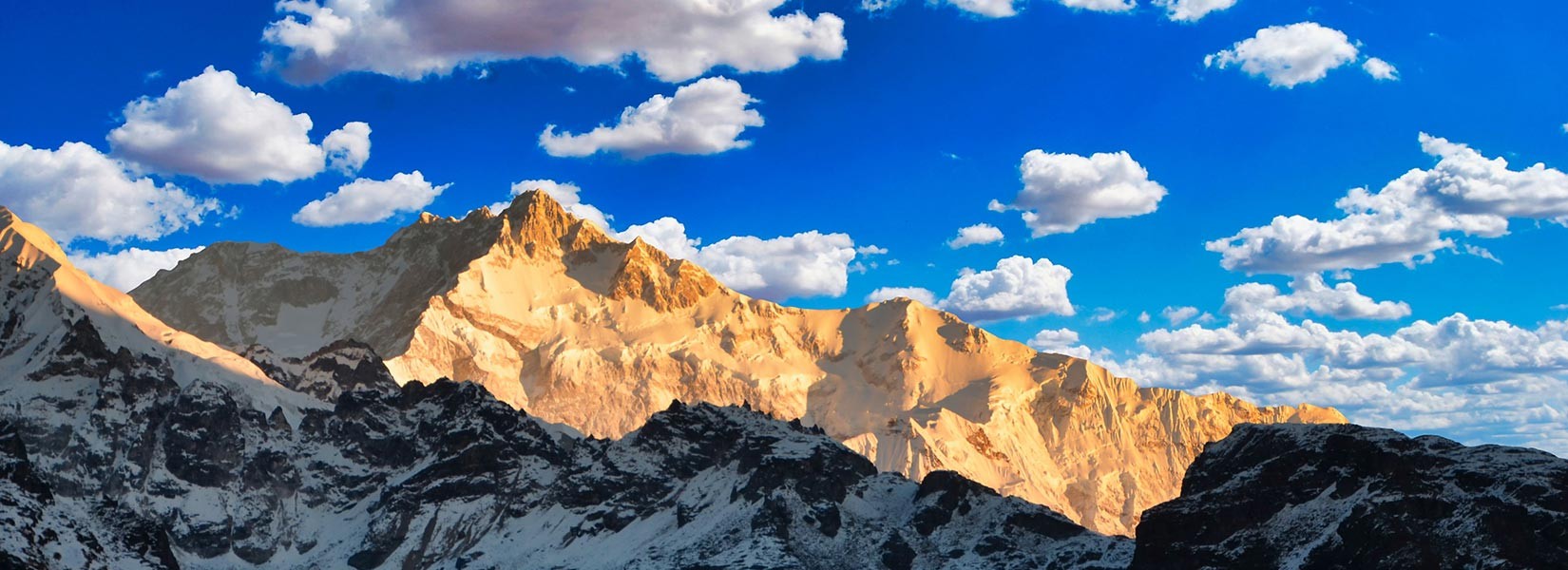
Tucked away in the far eastern corner of Nepal, the Kanchenjunga Circuit Trek is one of the country’s most remote, unspoiled, and rewarding trekking adventures. Encircling Mount Kanchenjunga (8,586m)—the world’s third-highest mountain—this trek takes you deep into a land of towering peaks, ancient cultures, and untouched wilderness far from the crowded trails of the central Himalayas.
The Beauty of the Kanchenjunga Region
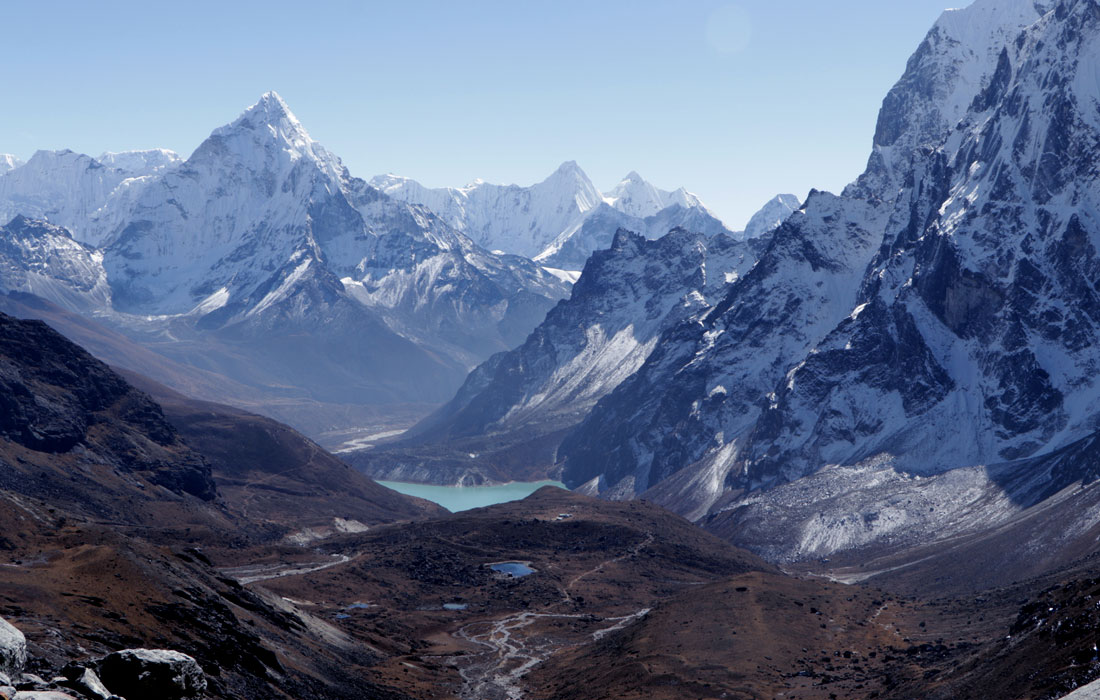
The circuit offers a dramatic transition of landscapes, from lush forests to icy glaciers:
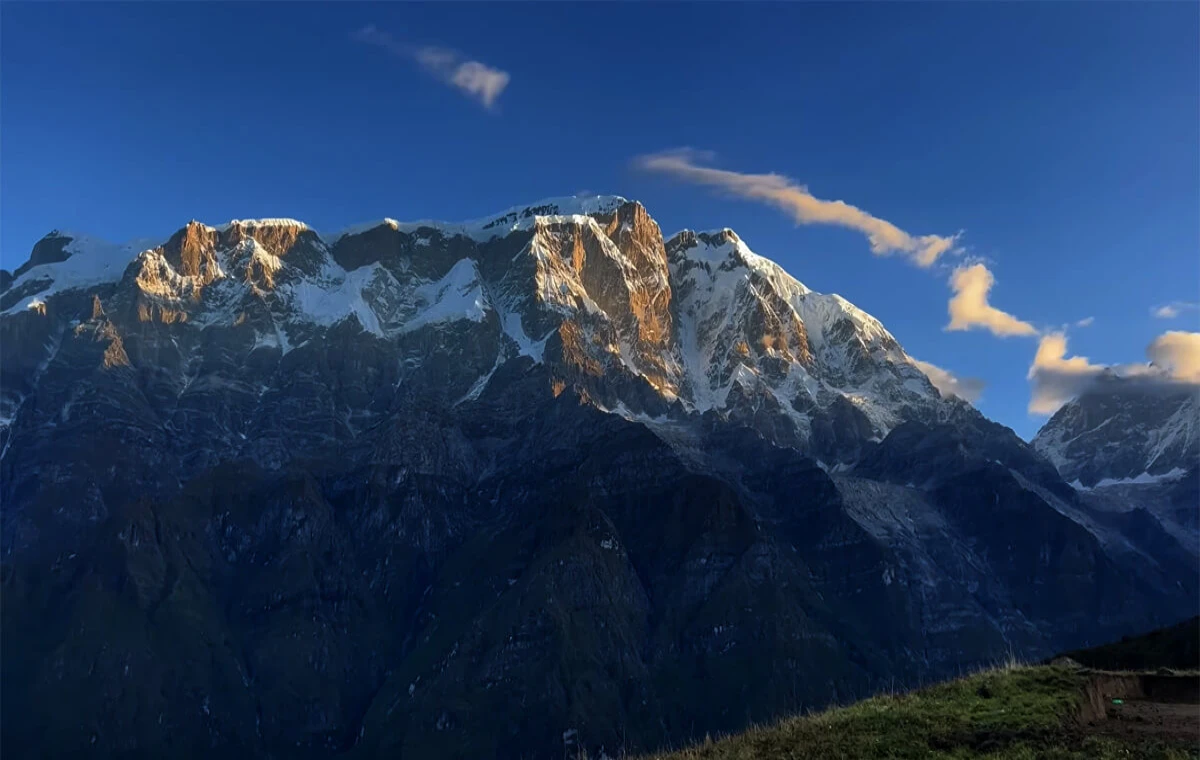
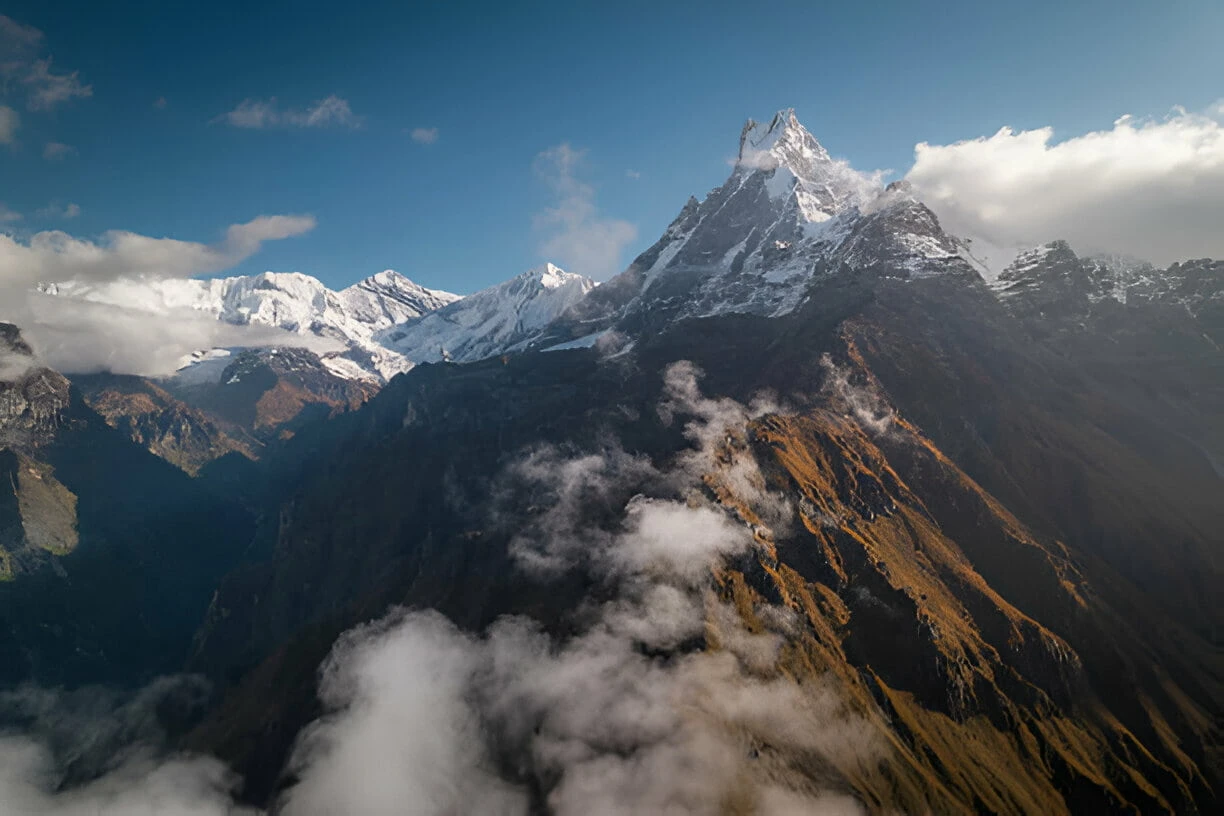
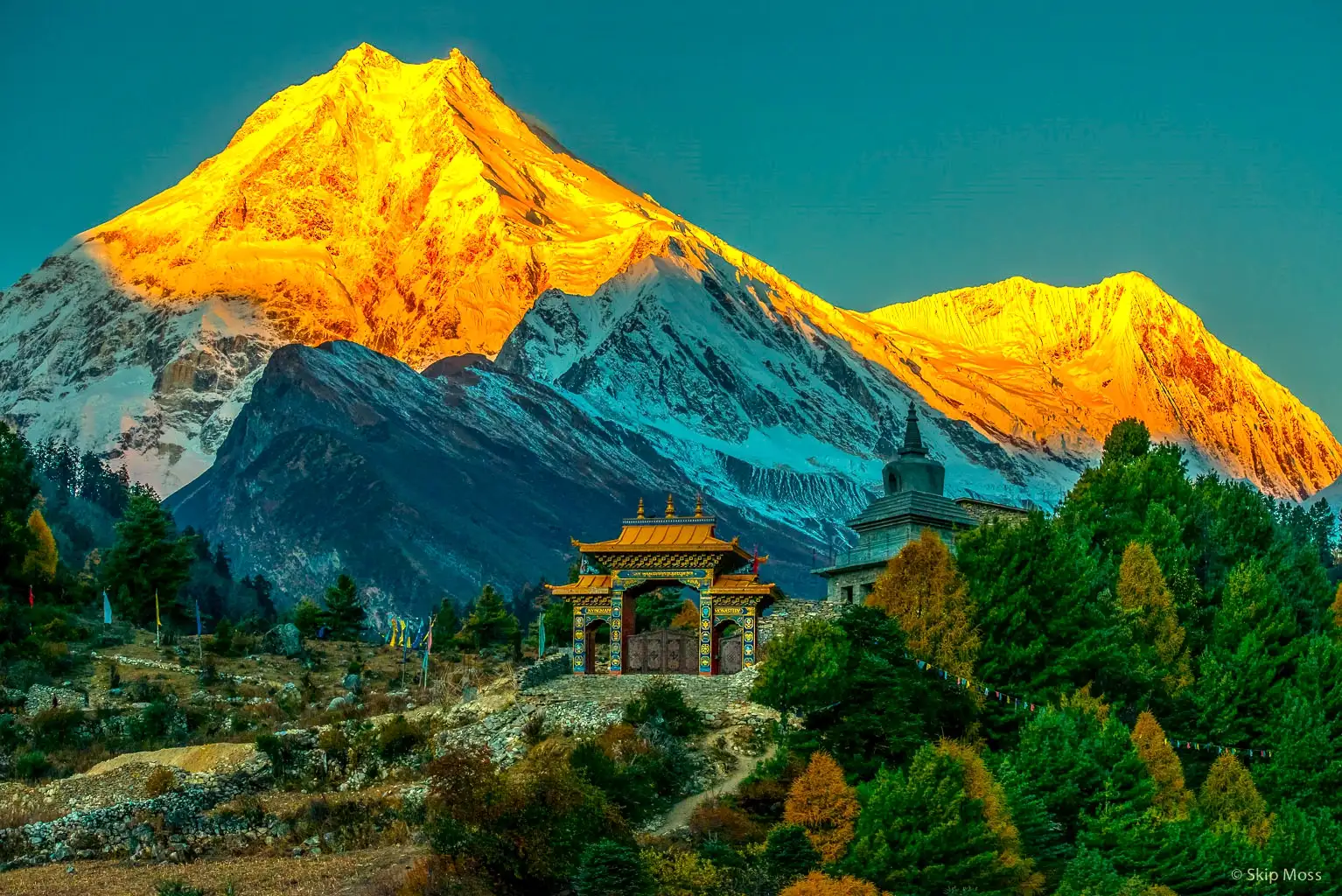
- Close-up views of Kanchenjunga, along with Jannu, Kabru, Talung, and Rathong,
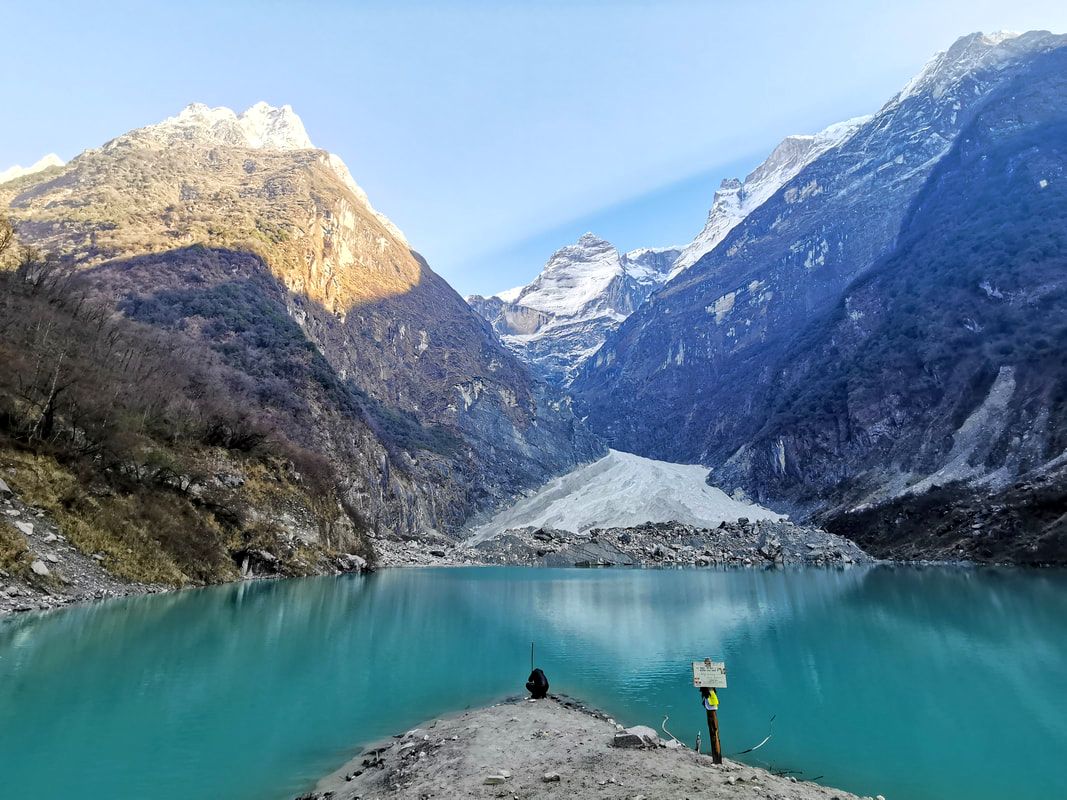
- Vast glacial valleys of both North and South Base Camps,
- Dense rhododendron and bamboo forests rich in wildlife,
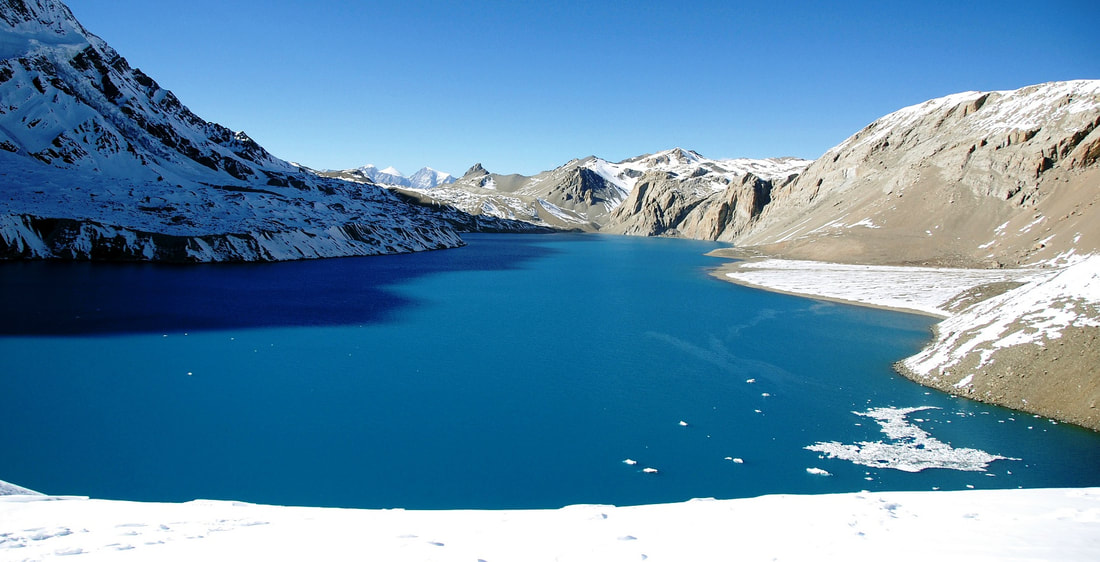
- Alpine meadows, high passes, and roaring rivers fed by Himalayan ice.
Every day reveals a new perspective of the eastern Himalayas, raw and breathtaking.
Culture and Remote Mountain Life
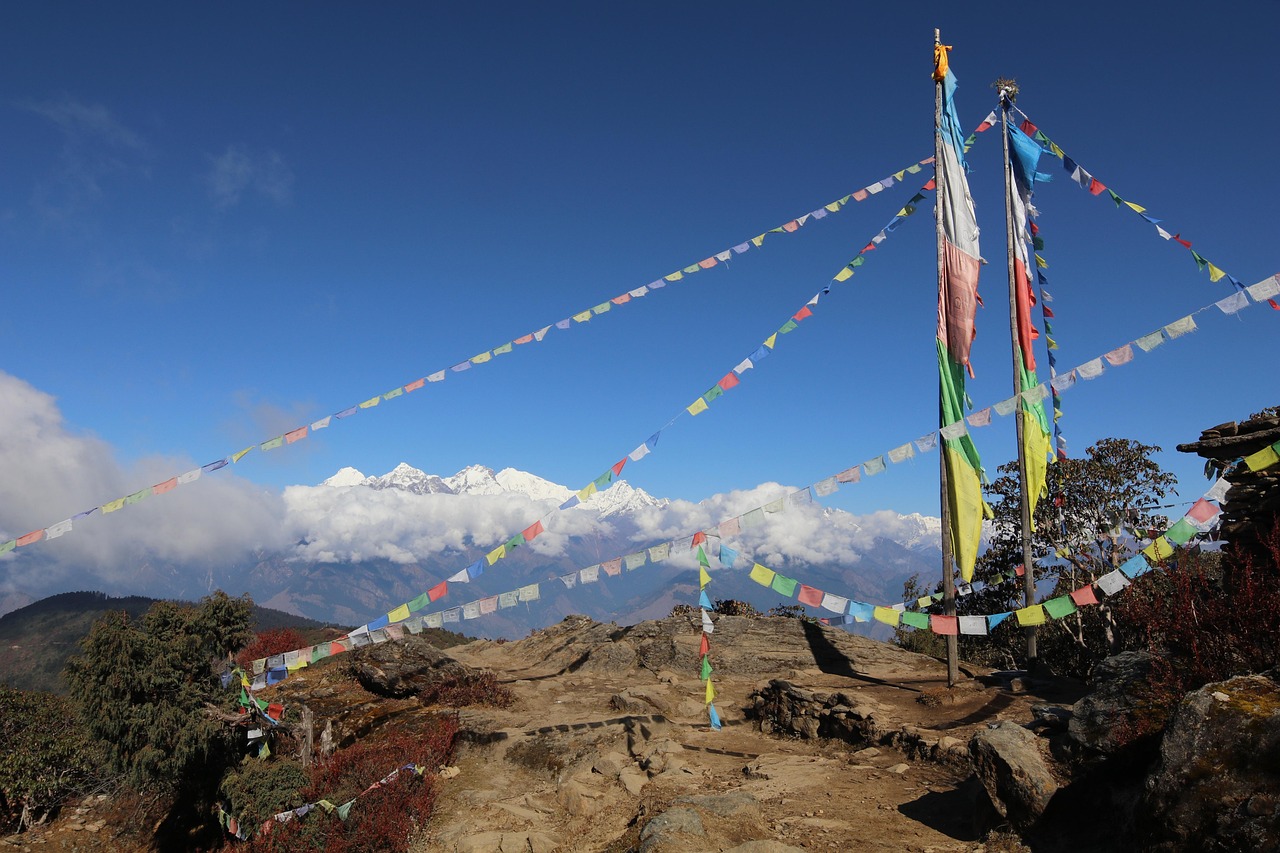
The trail winds through isolated villages of Limbu, Rai, and Tibetan-influenced communities, where traditional stone houses, prayer flags, and monasteries reflect centuries-old lifestyles. The warmth of local hospitality and deep spiritual traditions add a soulful dimension to the journey.
True Wilderness Experience
The Kanchenjunga Circuit is a restricted and rarely trekked route, offering unmatched solitude. Passing through conservation areas rich in flora and fauna, trekkers may encounter blue sheep, red pandas, and exotic birdlife. The silence of the high valleys and glaciers creates a powerful sense of connection with nature.
Why the Kanchenjunga Circuit Trek Is Special?
This trek is for those who seek pure adventure, endurance, and authenticity. Completing the full circuit—visiting both the North and South Base Camps—is a rare achievement that few trekkers experience.
Standing beneath the massive ice walls of Kanchenjunga, surrounded by untouched wilderness and sacred mountain silence, you feel the true spirit of the Himalayas—vast, humbling, and eternal.
For serious trekkers searching for Nepal’s most wild and rewarding journey, the Kanchenjunga Circuit Trek is an unforgettable expedition into the heart of the eastern Himalayas.
Basic Information About Kanchenjunga Circuit Trek
1. Location:
The Kanchenjunga Circuit Trek lies in the far-eastern region of Nepal, mainly in the Taplejung and Sankhuwasabha districts, close to the borders of India (Sikkim) and Tibet. The trek takes place within the Kanchenjunga Conservation Area, one of Nepal’s most remote and least-visited trekking regions. The circuit combines both North and South Base Camps of Mount Kanchenjunga, offering a complete exploration of the world’s third-highest mountain and its surrounding landscapes.
2. Altitude:
The highest point of the trek is around 5,143 meters at Kanchenjunga North Base Camp, while the South Base Camp reaches approximately 4,730 meters. From these vantage points, trekkers enjoy dramatic views of Mount Kanchenjunga (8,586 m), Jannu (Kumbhakarna), Kabru, Rathong, and extensive glaciers and high-altitude valleys.
3. Trek Duration:
The Kanchenjunga Circuit Trek usually takes 20–26 days, depending on the route, acclimatization days, and walking pace. It is a long and immersive trek designed for those seeking a true wilderness and cultural experience away from crowded trails.
4. Difficulty Level:
This trek is considered challenging due to its length, high altitude, remote terrain, and limited infrastructure. Trekkers need strong physical fitness, mental endurance, and prior high-altitude trekking experience. Proper acclimatization is essential to minimize altitude-related risks.
5. Best Seasons:
- Spring (March–May): Mild temperatures, blooming rhododendron forests, and clear mountain views.
- Autumn (September–November): Stable weather, dry trails, and excellent visibility—considered the best season.
- Winter (December–February): Very cold with heavy snow at higher elevations; suitable only for highly experienced trekkers.
- Monsoon (June–August): Rainy conditions, slippery trails, and leeches in lower areas, with limited mountain views.
6. Accommodation & Food:
Accommodation is mostly in basic teahouses and lodges in villages, while some remote sections may require camping. Food options are simple and locally prepared, including dal bhat, potatoes, noodles, soups, momos, and tea. Supplies become more limited as the trek progresses deeper into the region.
7. Permits Required:
Trekkers must obtain:
- Kanchenjunga Conservation Area Permit (KCAP)
- Restricted Area Permit (RAP) (mandatory, and trekking must be done with a licensed guide)
8. Culture & Nature:
The trek passes through traditional Limbu, Rai, Sherpa, and Tibetan-influenced villages, offering a rich cultural experience. The landscape changes dramatically from subtropical forests and terraced farmland to alpine meadows, glaciers, and high Himalayan passes, making it one of Nepal’s most diverse treks.
9. Connectivity & Safety:
Mobile network coverage is very limited or unavailable throughout most of the trek. Trekkers should be well prepared with proper gear, warm clothing, first-aid supplies, and sufficient cash, as there are no ATMs in the region. Due to remoteness and difficulty, trekking with an experienced guide and support team is highly recommended for safety and navigation.
1. What is the Kanchenjunga Circuit Trek?
+
The Kanchenjunga Circuit Trek is a remote and adventurous trek in eastern Nepal that circles Mount Kanchenjunga, the world’s third-highest mountain, covering both North and South Base Camps.
2. How long does the trek take?
+
The trek usually takes 22–26 days, depending on the itinerary, acclimatization schedule, and route variations.
3. Who can do this trek?
+
This trek is ideal for experienced trekkers with strong fitness levels and prior high-altitude trekking experience due to its long duration and remote trails.
4. When is the best time to trek?
+
Spring (March–May): Mild weather and blooming rhododendrons
Autumn (September–November): Clear skies and stable conditions
5. What permits do I need?
+
Kanchenjunga Conservation Area Permit (KCAP)
Restricted Area Permit (RAP)
TIMS Card
6. What type of accommodation is available?
+
Accommodation consists mainly of basic teahouses and local lodges, with limited facilities in higher and more remote areas.
7. Are meals included?
+
Meals are available at teahouses, offering simple Nepali and Asian meals. Most trekking packages include meals during the trek.
8. Is the Kanchenjunga Circuit Trek safe?
+
Yes, it is safe when done with proper acclimatization and a licensed guide, which is mandatory due to the restricted and remote nature of the region.
9. Where does the trek start?
+
The trek usually starts from Taplejung, accessible via flight or road from Kathmandu through Biratnagar or Bhadrapur.
10. What makes the Kanchenjunga Circuit Trek special?
+
The trek stands out for its untouched landscapes, fewer crowds, rich Limbu and Rai culture, dramatic mountain scenery, and close-up views of Mount Kanchenjunga.